You’ll find family nature centers across Georgia that welcome curious kids and calm adults with hands-on trails, boardwalks, and gentle wetlands. You’ll join staff-led scavenger hunts, pond dips, and seasonal explorer programs that build confidence outdoors. Trails range from stroller-friendly loops to longer hikes, and centers offer accessible facilities, sensory stations, and touch tanks. Pack layers, snacks, and a magnifier to boost discovery. Keep exploring to uncover specific centers, programs, and ways to get involved.
Key Takeaways
- Family nature centers in Georgia offer hands-on trails, touch tanks, guided programs, and kid-friendly exhibits that spark curiosity and outdoor learning.
- Expect wetlands, riverside boardwalks, herons, egrets, kingfishers, turtles, dragonflies, and evening frog choruses at many centers.
- Trails range from stroller-friendly 0.5–1.5 mile loops to moderate and challenging routes, with maps noting distances and elevation.
- Centers provide accessible facilities, large-print signage, quiet hours, restrooms, picnic areas, paved boardwalks, and staff trained for accommodations.
- Pack layers, water, binoculars, a snack, and a magnifier; consider memberships or volunteering for program discounts and priority registration.
Top Family Nature Centers Across Georgia
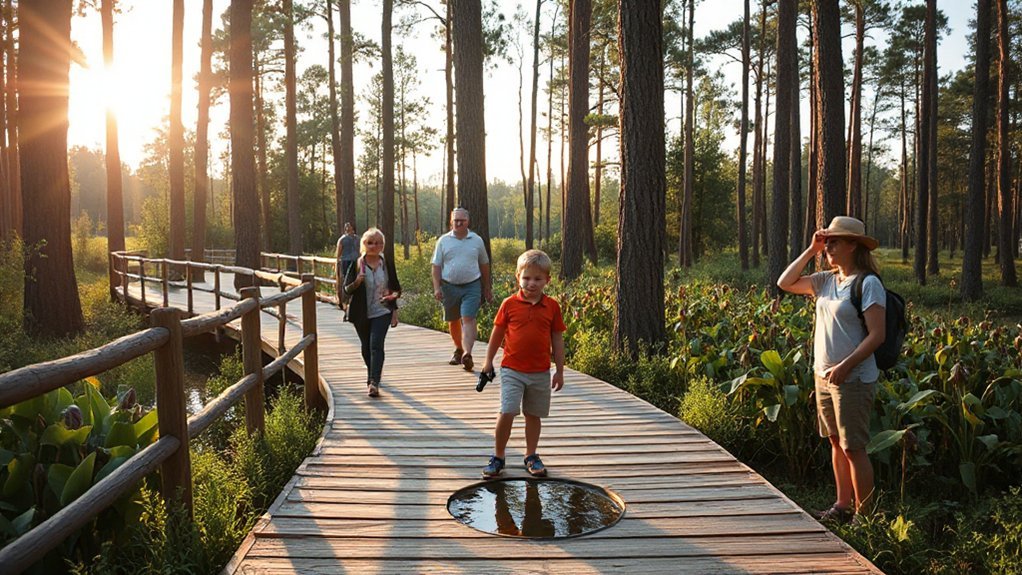
Often you’ll discover that Georgia’s top family nature centers turn ordinary weekends into small adventures, offering hands-on trails, kid-friendly exhibits, and guided programs that spark curiosity in every age. You’ll find places where you can roam wide wetlands, climb gentle boardwalks, and watch river life up close. Each center blends natural play with learning: staff lead scavenger hunts, seasonal events, and quiet observation points so you can breathe and explore at your own pace. Take note of Architectural Highlights in visitor centers and interpretive shelters that complement landscapes without intruding. Plaques and guided talks offer Historical Context, connecting creekside meadows to the people and stories who shaped them. You’ll leave with fresh questions, a lighter step, and the confidence to return. These centers invite you to choose your own pace, protect curiosity, and savor freedom outdoors with the whole family. Keep wonder alive; celebrate each discovery together daily.
Planning Your Visit: What to Bring

You’ve seen how these centers spark curiosity; now think about what to bring so your family can relax and explore without worry. Pack layers for changing weather, sturdy shoes for trails, and a compact first-aid kit. Bring a reusable water bottle for each person and plenty of snacks to keep energy up during discoveries. Don’t forget sun protection—broad-brimmed hats, sunscreen, and sunglasses will keep faces happy while you wander. A lightweight blanket or towel invites spontaneous picnics and quiet moments. Bring a small binoculars or field guide to turn sightings into mini adventures, and a waterproof bag for muddy finds. Encourage kids to carry one item to build responsibility and excitement. Keep gadgets charged but use them sparingly to stay present; let maps and curiosity do the guiding. Pack with freedom in mind: choose flexible, simple gear that opens up possibilities rather than weighing you down and joy.
Seasonal Programs and Events for Kids
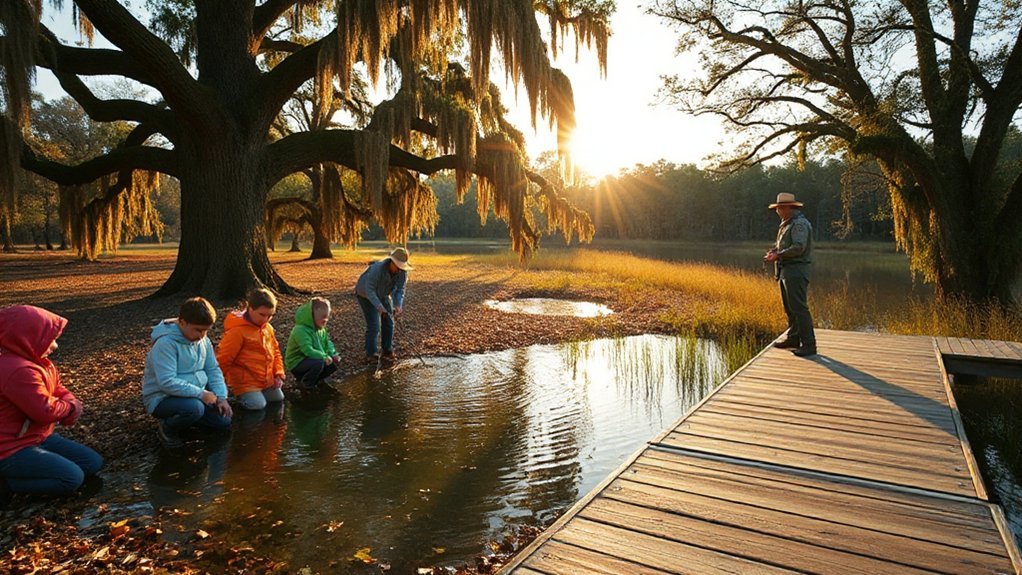
You’ll find Spring Explorers Programs that get kids tracking frogs, planting seeds, and noticing new growth. In autumn, Fall Harvest Activities let families collect leaves, learn about migration, and celebrate the changing season. These hands-on events help you and your children connect with nature and build lasting memories.
Spring Explorers Programs
How will your child’s spring change when they explore streams, hunt for salamanders, and learn beneath the pines at a Family Nature Center? You’ll feel their eyes widen during Sensory Hikes and cozy up for Nature Storytelling that sparks curiosity and independence. Programs mix gentle exploration, hands-on science, and free play so kids gain confidence outdoors. Staff guide discovery while you relax, watching them make muddy memories and new friends. Below is a snapshot of typical activities to inspire your plans.
| Activity | Age | Benefit |
|---|---|---|
| Stream Safari | 4-8 | Observation |
| Salamander Search | 6-12 | Confidence |
| Sensory Hikes | 3-7 | Awareness |
| Nature Storytelling | All | Imagination |
You’ll leave knowing they’ve learned to read the land, follow curiosity, and carry a sense of wild freedom into every season with joyful hearts.
Fall Harvest Activities
When summer’s green yields to amber, your family will trade stream searches for pumpkin patches and leaf hunts at the Center. You’ll wander crisp trails, gather gourds, and learn simple skills that let kids feel capable and free. Workshops teach Heirloom Preservation so you can save seeds and stories; volunteers guide hands-on Root Cellaring demos to extend the harvest without fuss. You’ll press apples, make cider, and map fall constellations while leaders encourage curiosity and safe independence. Events blend play with purpose: scavenger hunts, storytelling circles, and craft stations that honor seasonal rhythms. You’ll leave with warm cheeks, jars of preserved bounty, and a quiet confidence — a reminder that autumn gifts hands-on learning and room to breathe. Come celebrate harvest, wonder, and independence.
Wildlife to Spot at Georgia Nature Centers
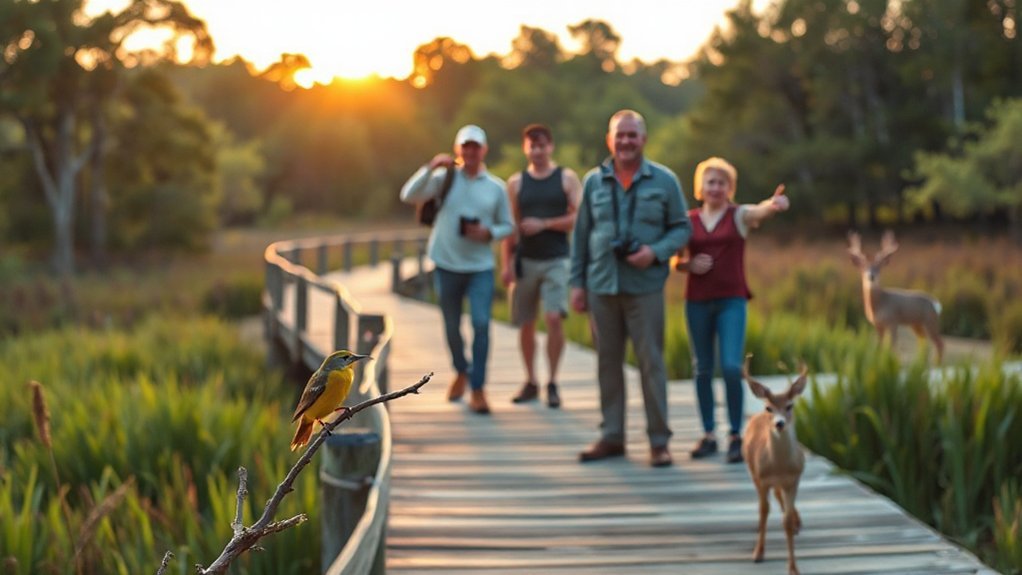
A red-tailed hawk circling the marsh lifts your spirits and signals the rich variety of wildlife you’ll encounter at Georgia nature centers. You wander boardwalks and shoreline, spotting Wading Birds like herons and egrets probing shallow water, while mudflats reveal sandpipers and kingfishers. In quiet dusk you’ll hear Amphibian Calls — chorus frogs and treefrogs answering the evening — and you pause, breath held, savoring that wild conversation. Turtles bask on logs, dragonflies stitch sunlight across ponds, and shy deer move through pines with effortless grace. You feel free to follow your curiosity, guided by gentle signage and patient volunteers who respect habitats. Binoculars and patience turn brief glimpses into memorable encounters, and every sighting reminds you that nature belongs to everyone who cares for it. These centers invite you to slow down, open your senses, and celebrate the living tapestry around you. Let every visit renew your adventurous spirit.
Hands-On Activities and Interactive Exhibits
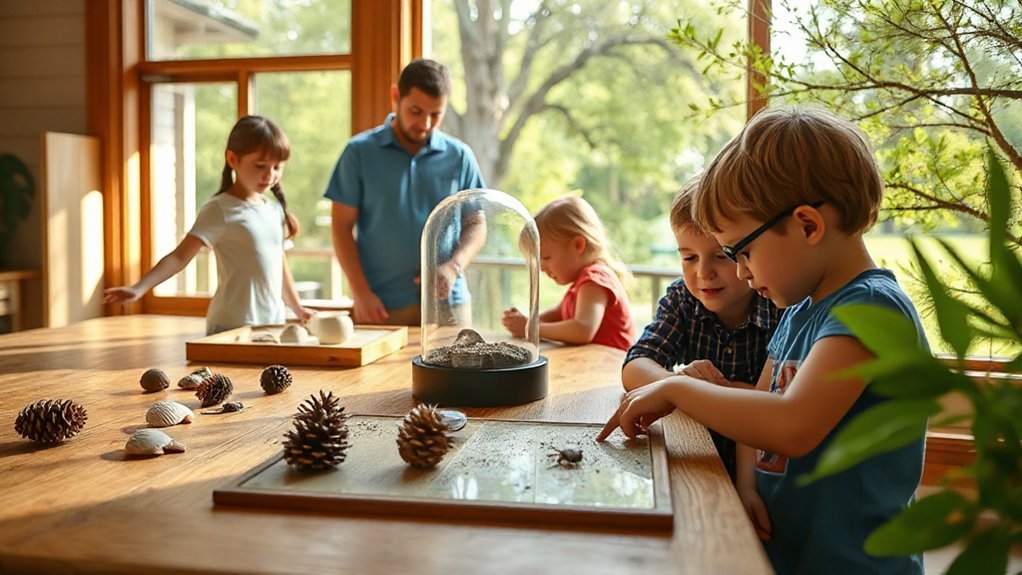
Bring those quiet moments into the center’s hands-on areas, where you’ll turn sightings into learning through touch tanks, tracking stations, and interactive displays. You’ll scoop up creek water to examine tiny swimmers, compare feathers and scat at sorting tables, and feel the textures of pine, moss, and bark. Sensory Stations invite you to close your eyes and identify sounds, smells, and shapes, freeing curiosity to roam without rules.

Interactive Microscopes let you zoom into leaf veins, insect wing scales, and pond life, sharing discoveries with kids or new friends. Staff and volunteers guide you gently, offering prompts that spark questions rather than answers. You’ll leave with a map of memories and skills that make the outdoors feel more welcoming and yours to explore. These exhibits don’t just teach facts; they rekindle a sense of wonder and independent adventure. Go ahead — touch, ask, wander, and claim this wild knowledge.
Trail Difficulty, Accessibility, and Facilities
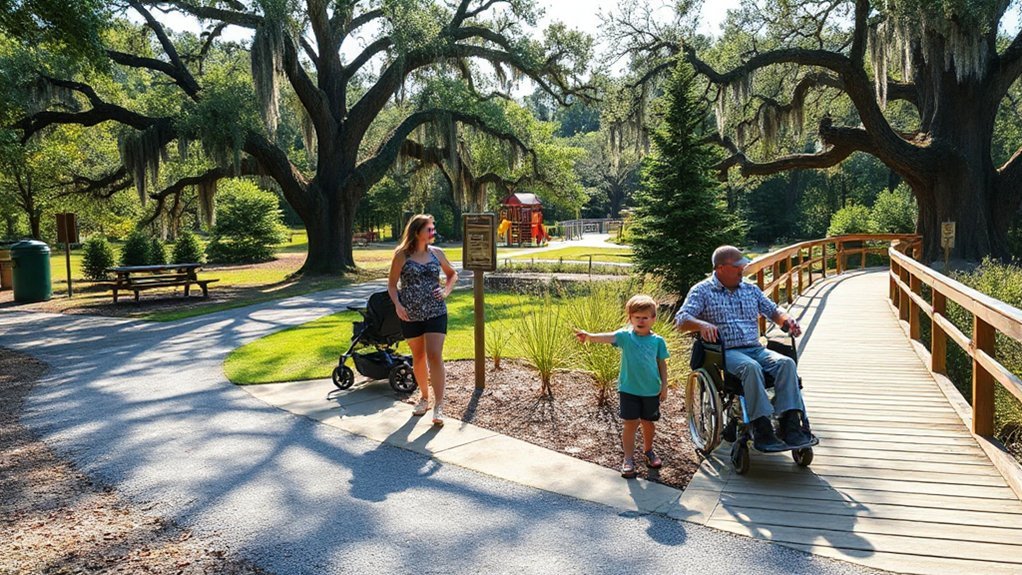
As you’re planning a visit, consider trail difficulty levels so everyone in your group can enjoy the outdoors at a comfortable pace. Look for accessibility features—paved paths, boardwalks, and clear signage—that make trails welcoming for strollers, wheelchairs, and little legs. Also check facilities and amenities like restrooms, picnic areas, and water stations to guarantee a smooth, memorable family outing.
Trail Difficulty Levels
While trails range from gentle boardwalks to rugged ridge paths, you’ll find options that match your family’s abilities and curiosity. You can choose trails by length, rating systems, or elevation gain, letting everyone feel capable and free. Below is a quick guide to pick a right fit:
| Level | Typical Length | What to Expect |
|---|---|---|
| Easy | 0.5–1.5 miles | Flat surfaces, short loops, stroller friendly |
| Moderate | 1.5–4 miles | Variable terrain, mild climbs, steady pace |
| Challenging | 4+ miles | Steeper climbs, uneven ground, longer time |
Trust your instincts, start small, celebrate each summit, and enjoy nature together. You’ll learn trail rhythms, adapt plans, and teach kids to observe wildlife; bring water, layers, maps, and a curious spirit so each outing becomes a small, liberating adventure that builds confidence today.
Accessibility Features
How can you make every family outing feel welcoming and doable? You choose trails with clear grading and gentle slopes, and you look for accessible surfaces, shorter loops, and trailheads with level drop-offs. You rely on Staff training that emphasizes mobility and sensory accommodations so guides meet your pace and comfort. You’ll appreciate signage with large print, braille, and color-contrasted maps; quiet hours and predictable schedules help families who need calmer environments. Before you arrive, use virtual tours and online route maps to preview turning radii, distances, and potential obstacles so you plan freedom-filled days without surprises. Centers that prioritize inclusion invite you to explore at your own tempo, supporting curiosity and confidence for every family member. You’ll leave inspired, capable, and free today.
Facilities and Amenities
Knowing what accessibility features are in place helps you pick centers where trail difficulty, surfaces, and onsite amenities match your family’s needs and energy. Look for clear signage, gentle grades, and firm surfaces so everyone can explore without strain. Trail difficulty often ranges from stroller-friendly loops to steeper footpaths, so choose what frees you to wander confidently. Expect conveniences like restrooms, picnic tables, shaded seating, and Bike racks near trailheads to simplify outings. Staff and maps usually note accessible parking and trail lengths, so you can plan realistic adventures. When centers offer adaptive equipment or guided programs, you’ll feel invited to try something new. These thoughtful facilities help your family savor nature with comfort and independence. You’ll leave refreshed, curious, and ready for more.
Tips for Engaging Young Naturalists
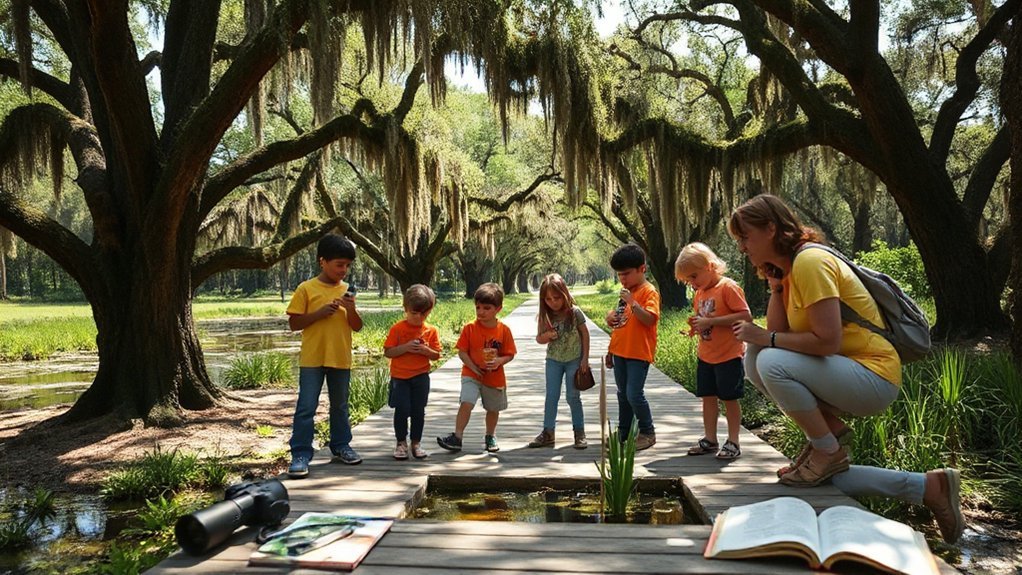
Encouraging curiosity in young naturalists starts by making the outdoors feel accessible and safe; you can do that by following their lead, asking open-ended questions, and celebrating small discoveries. Use simple Observation Games to sharpen senses: listen for bird calls, trace leaf veins, or time how long an insect lingers. Let them wander within clear boundaries so they feel free to explore while you stay nearby. Offer tools—a magnifying glass, a star chart, and teach Stargazing Basics on warm evenings: point out constellations, show how to track a satellite, and name the brightest stars. Praise effort over answers, and model wonder rather than lecturing. Rotate short activities to match attention spans, and let kids set the pace; their enthusiasm will guide deeper learning. You’ll nurture confidence, curiosity, and a lasting love for wild places by honoring their choices and giving gentle, joyful guidance and sparking lifelong outdoor freedom.
Memberships, Volunteer Opportunities, and Support
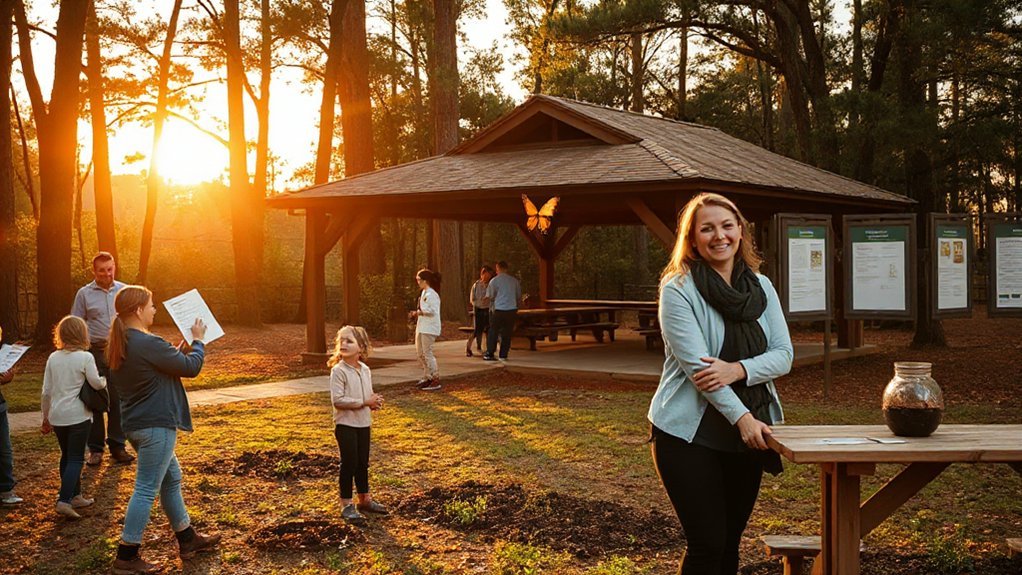
Many family nature centers offer memberships, volunteer roles, and giving options that let you deepen your connection to local wild places while directly supporting programs for kids and families. When you join, Membership Benefits often include free or discounted programs, priority registration, and members-only nature hikes that let your family explore on your schedule and feel free outside. Volunteer Opportunities let you teach, restore habitat, lead walks, or help with events; you’ll gain skills, community, and the satisfaction of tangible impact. If you want scalable support, ask about Corporate Partnerships or planned gifts to expand outreach and secure lasting programs. You’ll find flexible ways to give time, money, or expertise that honor your values and free-spirited lifestyle while ensuring nature centers stay vibrant, welcoming, and ready to ignite curiosity in every child. Your involvement matters; small acts here ripple into lifelong wonder and outdoor freedom for future generations.
Frequently Asked Questions
Are Drones Allowed at Georgia Family Nature Centers?
No, drones are generally not allowed at most nature centers; you’ll need to check specific permit requirements and follow rules to avoid Wildlife disturbance. I know you value freedom, and you can still explore skies legally—seek permissions, use designated areas, or join guided flights. Be thoughtful, keep distance from animals, and respect quiet habitats. With care and proper permits, you can enjoy aerial views while protecting nature and others’ experiences.
Can I Host a Private Event or Birthday Party There?
Worried it’ll be too complicated? You can host a private event or birthday party there; just follow the Booking Process and secure permits or space reservations. Staff’ll help you choose flexible Catering Options, or you can bring your own food where allowed. You’ll feel free to design activities, timeframes, and themes, and the team will support logistics so your celebration feels effortless, personal, and joyfully connected to nature and memorable.
What Are the Center’s COVID-19 or Health Safety Policies?
Yes — you’ll find flexible health measures designed to keep everyone safe while letting you enjoy outdoor freedom. Staff enforce mask protocols when required, and you’ll see signage guiding distancing. Sanitization stations are available throughout, and staff regularly disinfect high-touch areas. You’re encouraged to stay home if you’re ill, and staff will accommodate rescheduling. They’ll support your choices while protecting the community, so you can explore with confidence and breathe freely.
Is There On-Site Parking Fee or Shuttle Service?
You’ll barely notice the parking fee — most sites offer free or low-cost on-site parking, though a few charge modest parking fees; some provide shuttle service and post shuttle schedules. We’ll help you plan so you won’t waste time circling lots, and staff are happy to share exact shuttle schedules and pick-up points. You’ll feel free to choose what’s easiest, and you’ll leave inspired and stress-free. Enjoy the open-air freedom today.
Are Service Animals and Pets Permitted on Trails and in Buildings?
Yes, service animals are welcome, and pets are usually allowed on trails and in buildings where rules permit; you should follow leash requirements and local signage. We’ll support you if you need allergy accommodations, so don’t hesitate to ask staff about pet-free areas or alternate routes. You’ll enjoy open-air freedom while respecting others’ needs, and you’ll find compassionate assistance to make your visit safe, comfortable, and uplifting, filled with joy.
Conclusion
You’ll leave each center with muddy shoes, a sun-warmed hat, and a head full of bird songs and story sparks. You’ll watch your child’s eyes widen at a salamander’s slow blink and feel the hush of pine needles underfoot steady your breath. These places give you small wonders to tuck into pockets of memory—gentle maps that guide your family back to curiosity, to wonder, to each other, again and again with love and muddy hands.