You can make a rewarding day trip to Providence Canyon—Georgia’s “Little Grand Canyon”—about 1.5–2 hours from Atlanta. Expect dramatic overlooks, colorful banded gullies, easy rim walks and steeper sandy descents for closer study. Pack water, sun protection, sturdy shoes and insect repellent, arrive early to beat crowds, and support nearby diners or farmstands for regional snacks. It’s peaceful, photogenic, and educational—keep going and you’ll find practical tips, routes, and timing to plan it right today.
Key Takeaways
- Hike and photograph dramatic gullies and banded soils in Georgia’s “Little Grand Canyon,” with rim overlooks and descendible canyons for close geological study.
- Drive 1.5–2 hours from Atlanta to Providence Canyon State Park; follow signs to the visitor center and expect limited parking.
- Pay day-use fees at the kiosk, obey permit and parking rules, and park only in designated areas to protect trails and habitat.
- Wear grippy shoes, bring extra water, sun protection, a small first-aid kit, leave-no-trace supplies, and consider trekking poles for sandy descents.
- Visit in spring or fall for best light and temperatures; aim for early morning or late afternoon golden hours and nearby Southern eateries.
Why Providence Canyon Is Worth the Drive
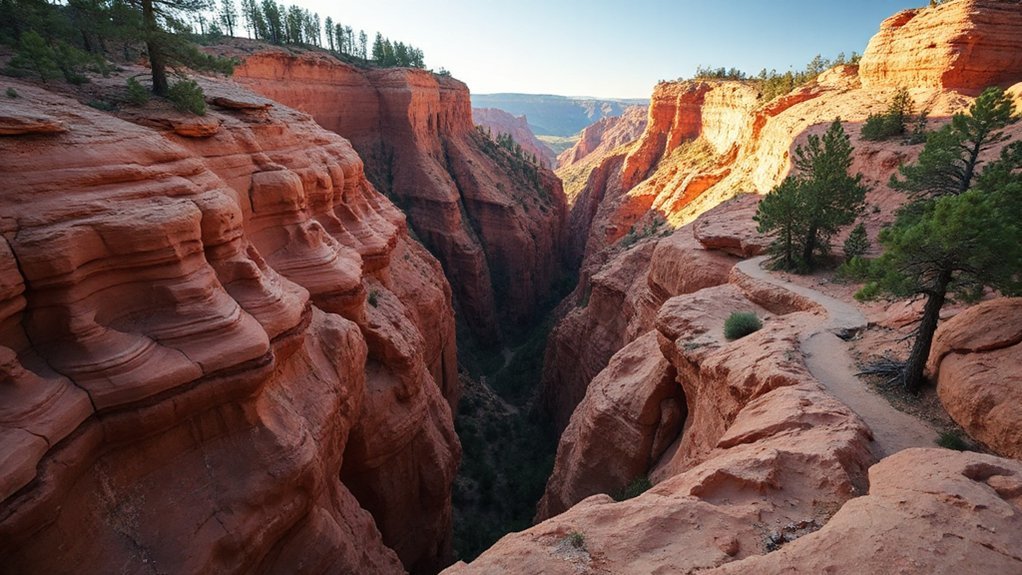
Although it’s called Georgia’s “Little Grand Canyon,” you’ll find Providence Canyon offers surprises you won’t expect so close to the highway. You’ll stand at rim overlooks and feel small in the face of vibrant gullies carved by erosion, a raw classroom of geologic history that invites curiosity. Trails give you options: stroll quiet paths, pause at viewpoints, or descend into sheltered canyons where light paints reds and ochers. You’ll appreciate how fragile beauty exists alongside human activity; dedicated Conservation efforts protect trails, habitat, and those colors you came to see. Rangers and volunteers maintain access and teach low-impact practices so you can explore responsibly. Bring a camera, a sense of wonder, and an appetite for solitude broken only by birdsong. This place rewards independent spirits who want experiences that feel earned, not staged. You’ll leave clearer, energized, and quietly proud of choosing a day that stretched your world.
How to Get There and Parking Tips
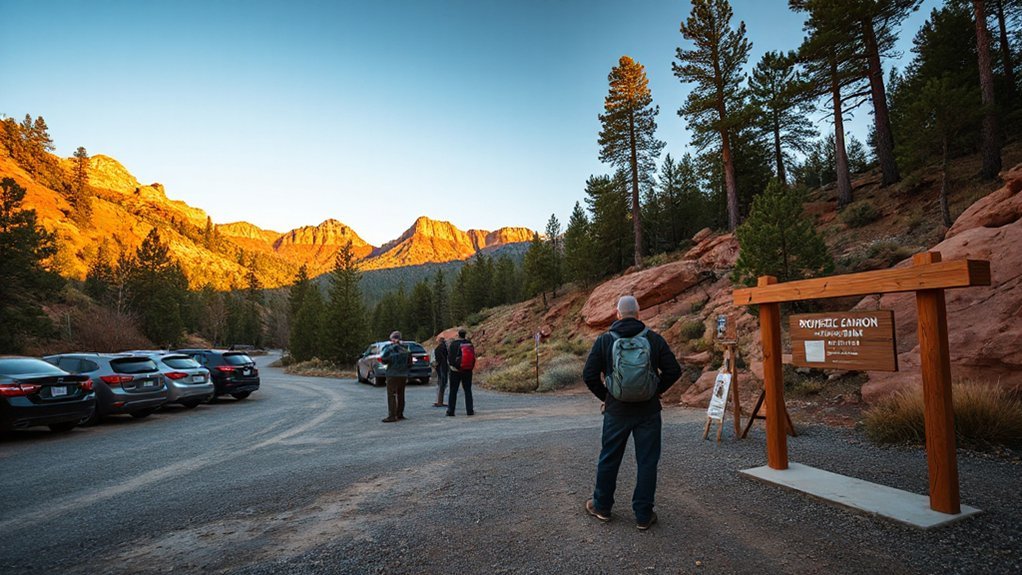
From metro Atlanta, you’re looking at roughly a 1.5–2 hour drive southwest—plug “Providence Canyon State Park” into your GPS and follow I‑20 toward Columbus; once you leave the interstate, local roads are rural and signs will guide you to the visitor center. When you arrive, note Parking Regulations and be ready for limited spaces. Consider these quick tips:
- Arrive early or late to beat crowds and find parking.
- Pay day-use fees at the kiosk; observe Permit Requirements for groups and display permits visibly.
- Park only in designated areas, lock valuables, and obey signage to protect the park.
These steps keep your plan simple and free. Bring cash or card, watch for full lots, and accept roadside parking only where clearly allowed. Follow rules so you can enjoy the canyon without surprises, feeling confident and unrestricted on your day trip, and embrace the open road always.
Trails, Lookouts, and Trail Difficulty
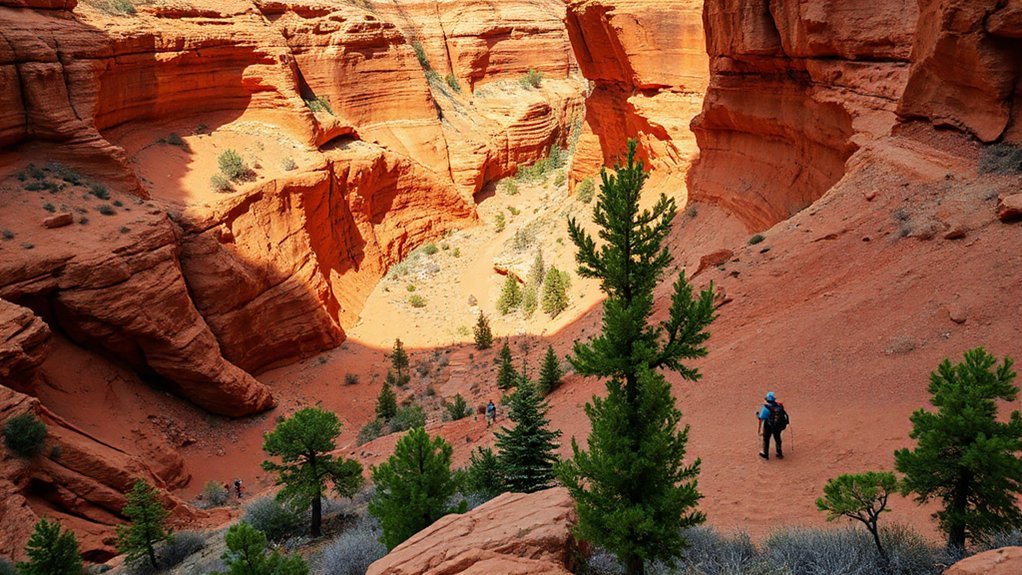
While the park’s trails span easy rim walkways to steep, sandy descents into the gullies, you’ll find options that suit most energy levels and interests. You can choose a short loop along the rim for broad panoramas or descend into select gullies to study the banded soils up close; choose based on comfort and time. Trail signage is clear—follow markers, respect closed paths, and plan turns so you don’t get turned around. Lookouts offer dramatic, open views; practice viewpoint etiquette by giving others space, avoiding loud groups, and staying behind railings or rock edges. Some descents are loose and require steady footing; wear shoes with grip and take deliberate steps. Keep to established paths to protect fragile formations and preserve access for future visitors. Moving thoughtfully lets you enjoy freedom on your terms while leaving the canyon intact for the next explorer. You’ll leave refreshed and inspired today.
What to Bring for a Day Trip
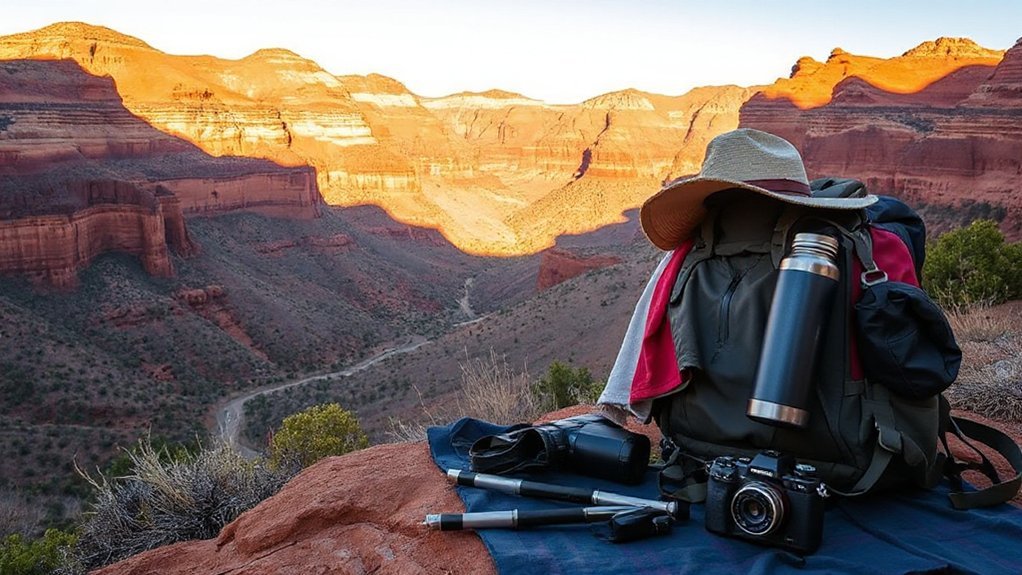
As you finish exploring lookouts and sandy descents, pack smart so you can enjoy the canyon comfortably and leave it as you found it. Bring a daypack that frees your hands and mind: include a Hydration pack to keep you moving, snacks, sun protection, and a light layer for changing weather. Respect the landscape—carry out trash and stay on trails.
Pack a light daypack with water, sun protection, snacks, and respect the canyon—stay on trails, carry out trash.
- Water and fuel: a full Hydration pack, extra water bottle, and energy-rich snacks to sustain long walks.
- Safety and comfort: a compact First aid kit, blister supplies, map or downloaded trail info, and trekking poles if you use them.
- Essentials and leave-no-trace gear: sunscreen, hat, biodegradable wipes, a small trash bag, and a charged phone or power bank.
With these items you’ll feel free, prepared, and ready to savor Providence Canyon without leaving a trace. Go explore boldly, stay responsible, and relish wide-open freedom today.
Best Times of Year and Day to Visit
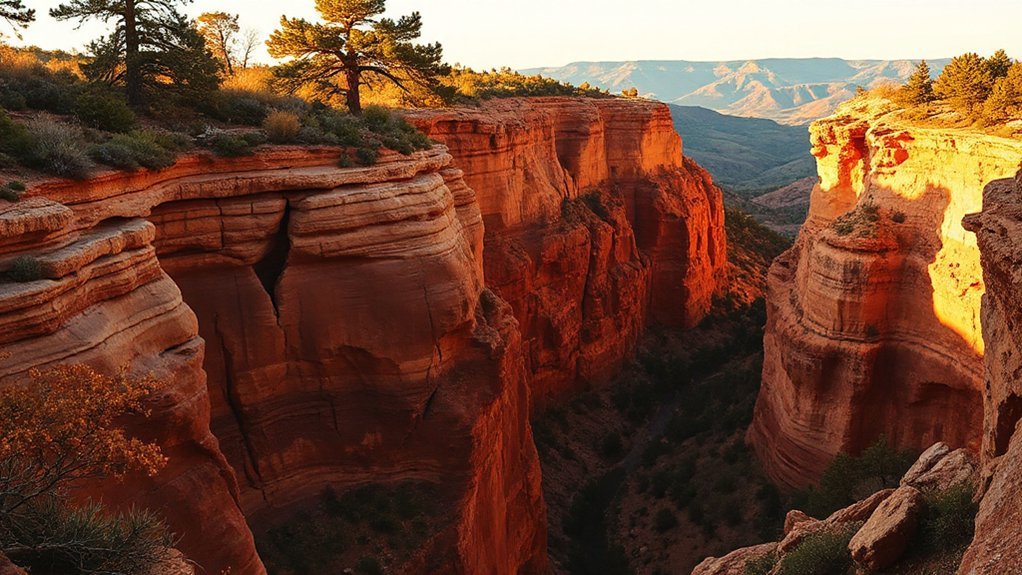
When you plan a day trip to Providence Canyon, aim for spring or fall when wildflowers and cooler temps make hiking pleasant. Summer brings heat and winter can be chilly and muddy, so choose the season that fits your comfort level. For the best light and fewer people, arrive early morning or late afternoon.
Best Seasons to Visit

Want the best light and comfortable weather for hiking Providence Canyon? You’ll love spring for Spring wildflowers and milder temps, and winter if you crave Winter solitude and raw, dramatic hues. Shoulder seasons—spring and fall—offer freedom to roam with fewer crowds and pleasant trails. Summer brings heat and sticky humidity, so pack water and plan shorter routes, while winter rewards hardy explorers with crisp views and quiet trails.
- Spring — blooming colors, cooler days, ideal hiking.
- Fall — crisp air, vivid canyon contrasts, moderate crowds.
- Winter — stark landscapes, solitude, bundle up for chill.
Choose the season that matches your spirit—seek blossoms, fiery leaves, or peaceful isolation—and come back renewed.
Optimal Time of Day
Wondering when to hit the canyon for the best light and comfort? Aim for early morning or late afternoon—golden hours bring dramatic colors and softer shadows, and you’ll avoid midday heat. Spring and fall mornings offer mild temperature swings, while summer evenings cool off after hot afternoons. Arrive before sunrise if you want solitude and crisp air; expect more insect activity near dusk in warmer months, so bring repellent. If you prefer warmer walks, midmorning after frost has lifted can work, but midday sun fades the hues. Plan around weather and your pace: pack layers for sudden chills, hydrate, and chase light when it moves. You’ve got freedom to pick the moment that feeds your spirit. Trust your instincts and enjoy every shifting view.
Photography Tips for Capturing the Colors
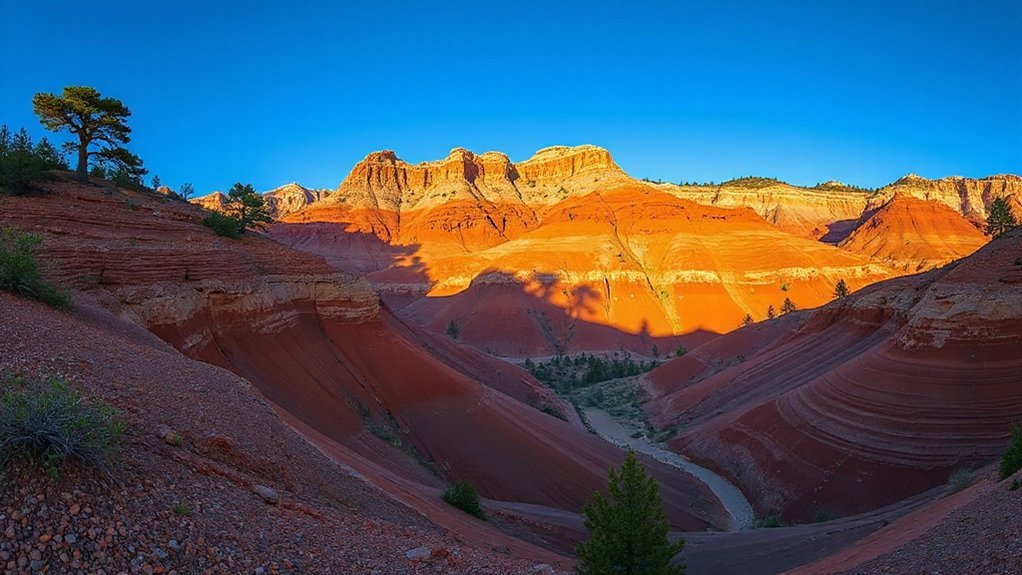
How do you make Providence Canyon’s layers of color pop in your photos? You lean into light and choice: use a polarizing filter to deepen skies and reduce reflections, and choose manual exposure to lock in the rich reds and ochres. Walk the rim, experiment with angles, and trust your eye.
Lean into light: polarizer, manual exposure, walk the rim and trust your eye for rich reds and ochres.
- Shoot low and wide: Place foreground textures against sweeping gullies to add scale and let colors lead.
- Time and balance: Golden hour softens contrast; mid-day demands shadow control—bracket exposures or blend later.
- Details and restraint: Zoom for strata patterns, keep saturation natural, and avoid overprocessing to preserve the canyon’s honest tones.
You don’t need fancy gear to create striking images—just intention, mobility, and the freedom to try frames that feel true. Return with photos that reflect the place and your choice to explore. Share them boldly to inspire others to seek wide-open, colorful landscapes and keep wandering.
Nearby Stops and Places to Eat
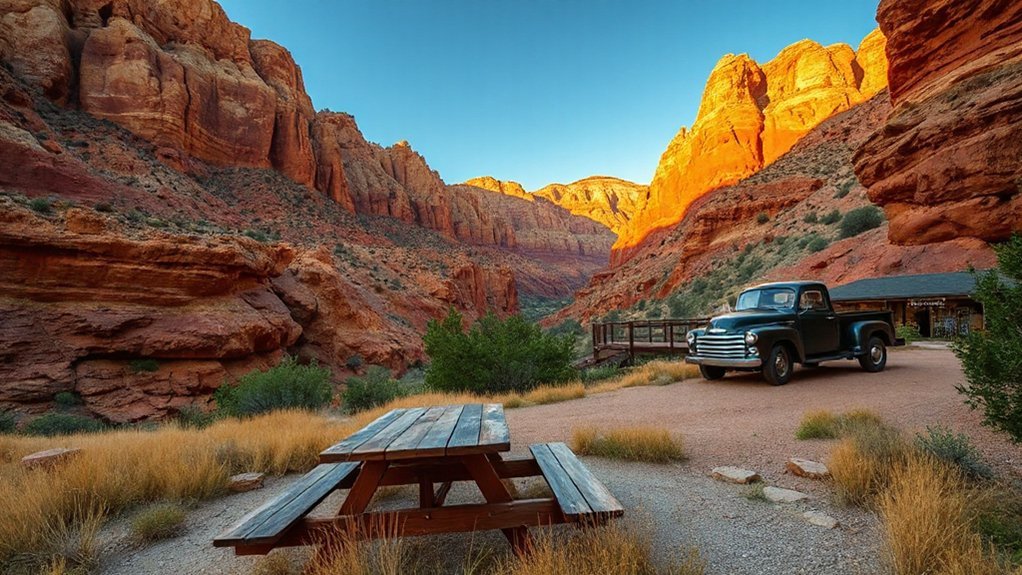
While you’re in the area, swing off the main road to explore a handful of charming stops and reliable eateries that’ll refuel you and extend the adventure. You’ll find farmstand markets selling peaches, homemade preserves and cool water—grab snacks for a canyon-side picnic and support locals. In small towns nearby, Southern diners serve plate-sized breakfasts and friendly conversation; lean into slow, hearty meals before hiking. Want a lighter stop? Look for cafes with outdoor seating where you can map the next route and savor coffee while planning. If you prefer to browse, antique shops and artisanal stores invite wandering, souvenirs, and unexpected discoveries that fit a free-spirited itinerary. Keep a flexible schedule so you can follow curiosity: pick a scenic overlook, taste regional flavors, then head back to trails refreshed. You’re in control of the pace—choose stops that match your energy and appetite, and make the trip yours
Frequently Asked Questions
Are There Entrance Fees or Permits Required?
Yes — there’s a small day‑use fee, and organized or commercial outings may need permits. You’ll follow the park’s Permit Process for group sizes or special activities, and you can pay at the gate or online. Payment Methods typically include card and cash options, so you can choose what suits you. Bring ID and confirmation if you booked, and don’t worry—you’ll be set to explore freely and enjoy nature.
Is Camping Allowed Inside Providence Canyon State Park?
Want to sleep under those canyon stars? No—you can’t camp inside the canyon; the state park prohibits overnight camping within it. You can use nearby designated campgrounds that follow campground rules and respect fragile soils. Check the park’s overnight policies and reservation requirements before you go. You’ll still feel free exploring by day, and choosing authorized sites helps protect the landscape so future adventurers can enjoy the same wild freedom.
Are Pets Allowed on Trails and at Lookouts?
Yes — you can bring pets on the trails and to lookouts, but you’ll need to follow leash requirements and clean up after them. You’ll enjoy scenic walks; trails are pet-friendly though some overlooks can be crowded. There aren’t many pet amenities like water stations or dog parks, so bring supplies and waste bags. You’ll feel free exploring responsibly, respecting rules and visitors while giving your companion an outdoor adventure.
Can I Fly Drones for Aerial Photography There?
Yes — it’s like having sky as your studio! You can fly there, but you’ll need to follow FAA regulations, respect posted park rules, and avoid disturbing wildlife or other visitors. Use responsible Aerial techniques, keep the drone within line of sight, and fly below legal altitude limits. You’ve got freedom to create stunning shots, but stay safe, get any required permits, and be considerate so everyone can enjoy the view.
Is Cell Phone Reception Reliable in the Canyon?
Reception’s spotty; you shouldn’t rely on constant service. Canyon walls and remote trails create dead zones, so check carrier coverage maps before you go. You can still share moments when you get a signal, but plan for offline navigation and emergency backup. Bring a charged power bank, download maps, and tell someone your itinerary. You’ll feel freer knowing you’ve prepared and won’t be stranded by surprise outages and enjoy exploring.
Conclusion
You’ll think you’ve stumbled into a miniature Grand Canyon, then laugh because you didn’t need a plane ticket. Just good shoes and curiosity. You’ll hike, snap dramatic photos, and feel oddly triumphant over a pocket-sized geological rebellion. Don’t worry about impressing anyone; Providence Canyon impresses you. So go, get muddy, ask questions, and come home with stories that make your friends jealous and slightly suspicious of your sudden expertise — and maybe a photogenic souvenir pebble.