You’ll love Cloudland Canyon for a day trip — you can hike short loops or longer waterfall routes, soak in rim overlooks, and chase roaring cascades framed by wildflowers or fall color. Expect narrow roads and limited parking, so arrive early, pack layers, sturdy boots, water, and a headlamp. Take it slow on uneven trails, savor viewpoints with your camera, and picnic at shaded tables. Keep going for trail details, photo tips, and seasonal highlights soon.
Key Takeaways
- Plan arrival early, allow extra time for narrow Lookout Mountain road, and use the park shuttle when lots are full.
- Choose trails by distance and elevation: Short Loop 2.5 mi/400 ft, Rim Trail 5.0 mi/600 ft, Waterfalls 7.2 mi/1,200 ft.
- Visit West Rim Overlook, Lula Falls viewpoint, and Hemlock Falls upper lookout for best waterfall and canyon photos, especially at golden hour.
- Pack layers, sturdy boots, extra water, first-aid, headlamp, map, and a charged phone or locator for safety and navigation.
- Pick a season: spring for wildflowers and roaring falls, summer for long daylight, fall for vivid colors, winter for solitude and icy vistas.
Getting There and Parking
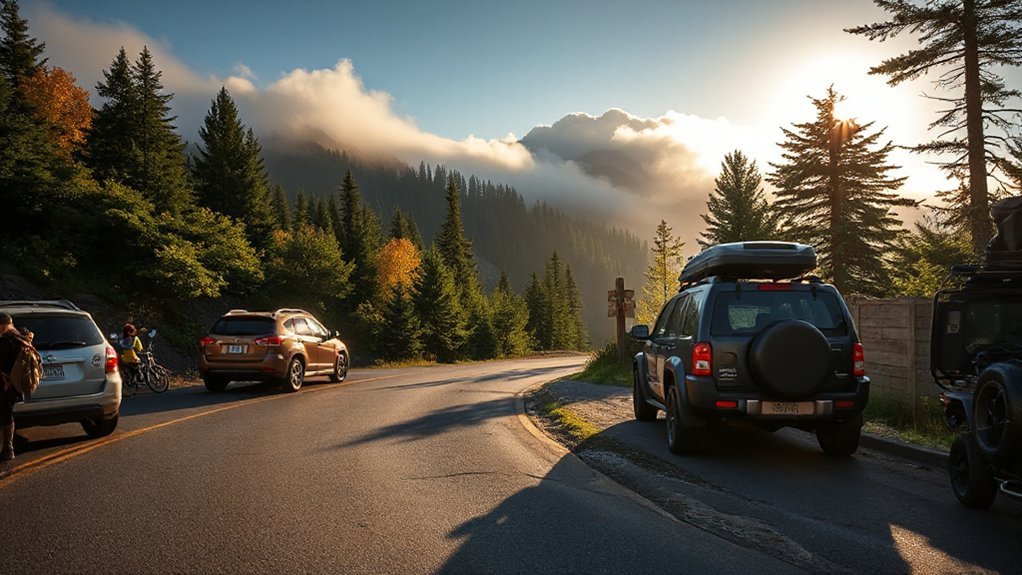
Because the road up Lookout Mountain can be narrow and busy, give yourself extra time and drive slowly so you don’t start the day stressed. You’ll feel lighter when you arrive prepared: check park hours and current parking fees online before you leave, bring cash or card, and tuck a backup snack and water in the car. If lots are full, consider arriving early or using the park’s shuttle service where available; it saves you the hassle and frees your day for exploring. Park in designated areas only and respect signage so the experience stays open for everyone who craves wide-open spaces. If you’re carpooling, that’s even better—fewer vehicles mean more freedom for future visitors. When you step out, take a deep breath and remember you chose this day to claim a bit of wild; small planning now gives you a calm, expansive afternoon and lasting joy always.
Trail Guide and Difficulty Levels
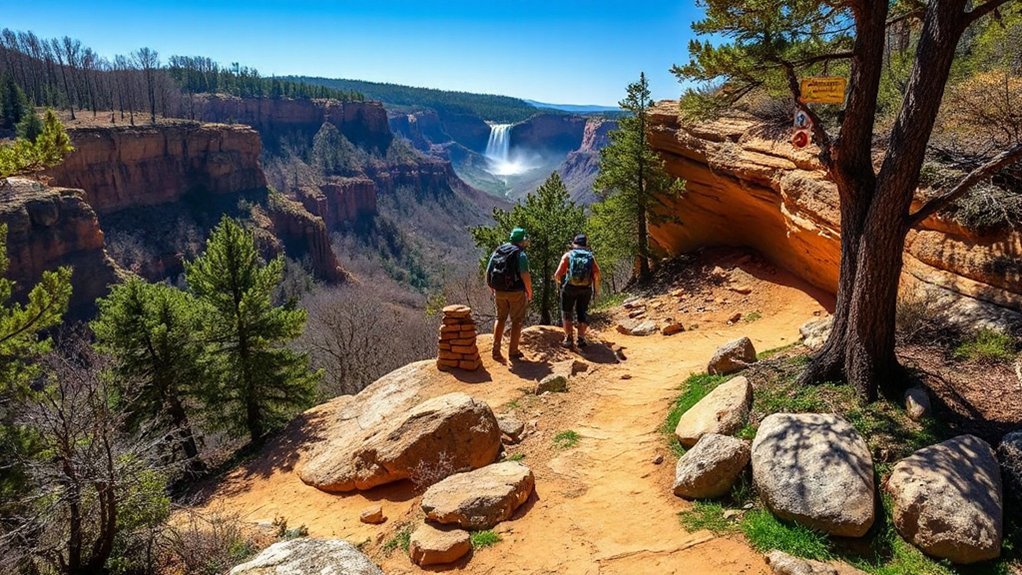
You’ll want trails that match your fitness and comfort, so let’s start with what the park’s difficulty ratings actually mean. I’ll outline typical distances, elevation changes, surface types, and common hazards so you can plan realistically. I’ll also note essential gear and simple precautions to help you feel confident and safe on the trail.
Trail Difficulty Ratings
When planning your hike, understanding trail difficulty ratings helps you pick a route that matches your fitness, experience, and comfort level so the day stays safe and fun. You’ll learn how rating standards evolved and a bit of their historical evolution so you can choose confidently, not out of fear but freedom. Read trail descriptions, check footing notes, and match scenery to your mood. Use these quick checks before you set off:
- Trail surface and obstacles: notes on roots, rocks, stair sections.
- Technical skills: scrambling, narrow ledges, or route-finding needs.
- Time and pacing: estimated effort, rest options, and bailout points.
Trust your instincts, prepare honestly, and savor the canyon on your terms. Stay flexible, turn back when needed, and celebrate each summit earned today.
Distance and Elevation
Gauge both distance and elevation gain before you pick a route—those two numbers tell you more about effort than mileage alone. You want honest effort estimation so you can savor the canyon without surprise. Check total miles, cumulative elevation, and steep segments; plan segment pacing and rest. Choose routes that match your stamina and need for freedom; bail options matter. Use the table below to compare typical options.
| Route | Distance | Elevation Gain |
|---|---|---|
| Short Loop | 2.5 mi | 400 ft |
| Rim Trail | 5.0 mi | 600 ft |
| Waterfalls | 7.2 mi | 1,200 ft |
Match pace to terrain, start conservatively, and let the landscape teach your rhythm. You’ll return feeling richer and freer.
Surface, Hazards, and Gear
Scout the trail surface and hazards before you set out; they’ll determine how technical a route feels and what gear you should carry. Look for loose scree, wet roots, and steep exposed sections; assess rock stability and expect shifts underfoot. Choose boots with confident boot traction and consider poles for balance. Pack a small first-aid kit, map, and extra layers—weather shifts fast here.
- Assess: tap unstable rocks, test edges, note slick spots.
- Gear: sturdy boots, trekking poles, gloves for scrambles.
- Plan: turn-back points, daylight margin, tell someone your route.
You’ll hike freer and safer when you respect terrain limits. Stay curious, adapt, and relish the canyon’s wild promise. Carry a headlamp, water purification, and the confidence to choose wisely every time.
Waterfalls and Photo Spots
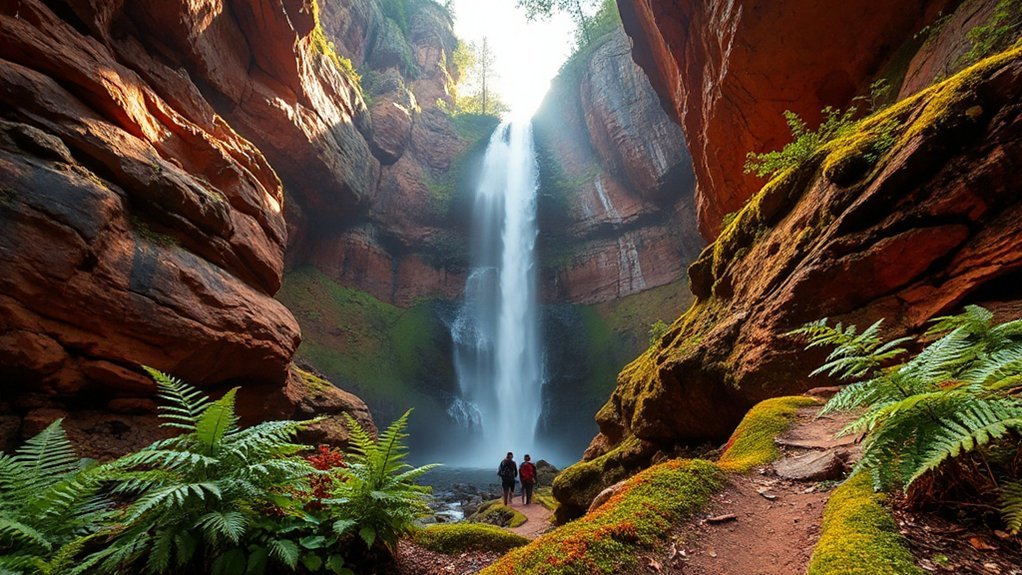
You’ll want to visit both the rim and lower overlook for the best waterfall viewpoints so you don’t miss the full sweep of falls and canyon. Plan to shoot during golden hour — that warm light turns cascades and canyon walls into pure magic. Bring a wide lens and a tripod for crisp low-light images, and pause to enjoy the sound as much as the view.
Best Falls Viewpoints
Where do you get the most breathtaking views of Cloudland Canyon’s waterfalls? You’ll find them along well-marked overlooks that pair dramatic drops with interpretive signage, giving historical context so you connect with place as you breathe. Walk slowly; freedom feels rooted in these moments.
- West Rim Overlook — broad panorama, safe railings, easy access.
- Lula Falls Trailhead Viewpoint — intimate cascade angles, stepped rock photos.
- Hemlock Falls Upper Lookout — secluded vantage, mossy green frames.
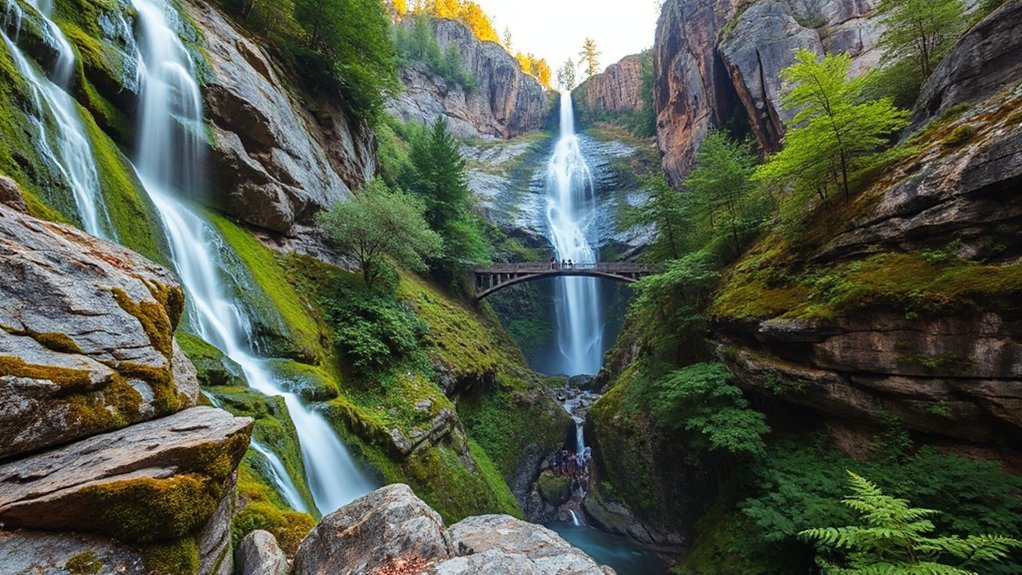
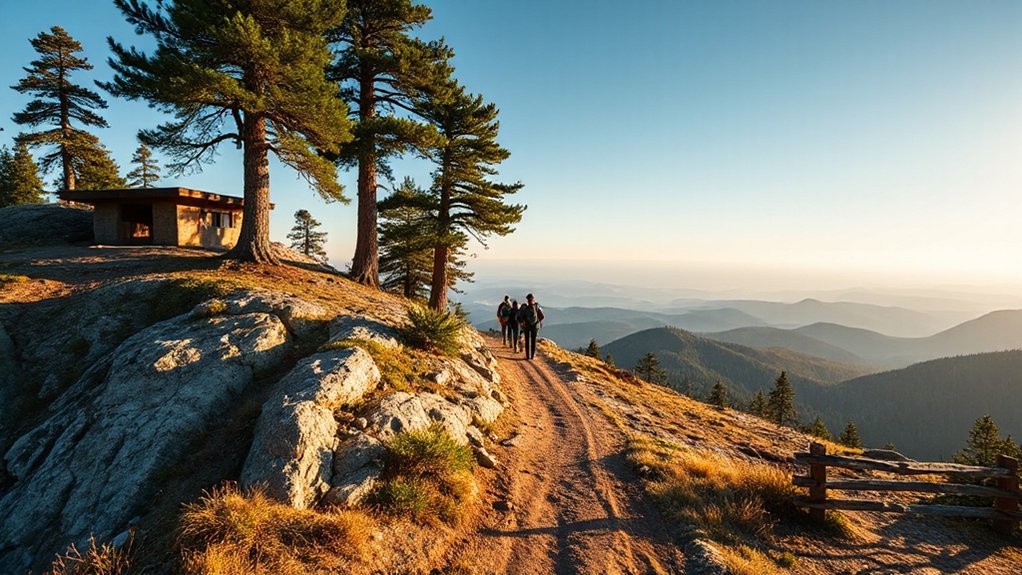

Each spot rewards curiosity; you’ll feel inspired, calm, and adventurous. Bring sturdy shoes, respect trails, and linger where the sound of water reminds you why you chose to come. Share quiet moments, snap honest photos, and let the canyon’s energy renew your sense of wide-open possibility.
Golden Hour Photo Spots
At golden hour, the canyon’s waterfalls take on a honeyed glow that turns ordinary shots into something soulful you can keep returning to. You’ll find small ledges and overlooks that frame cascades perfectly; move until the light hits the spray just right. Use silhouette techniques to outline hikers or trees against the bright sky, lending drama and a roaming spirit to each frame. Embrace lens flare sparingly—place the sun just behind a peak or fern to create warmth without washing detail. Shoot handheld for spontaneity, then switch to tripod for long exposures of silky water. Let the camera follow your curiosity; these moments free you, turning simple snapshots into personal postcards from a place you felt truly alive. Share them; others will feel liberated.
What to Bring and Safety Tips
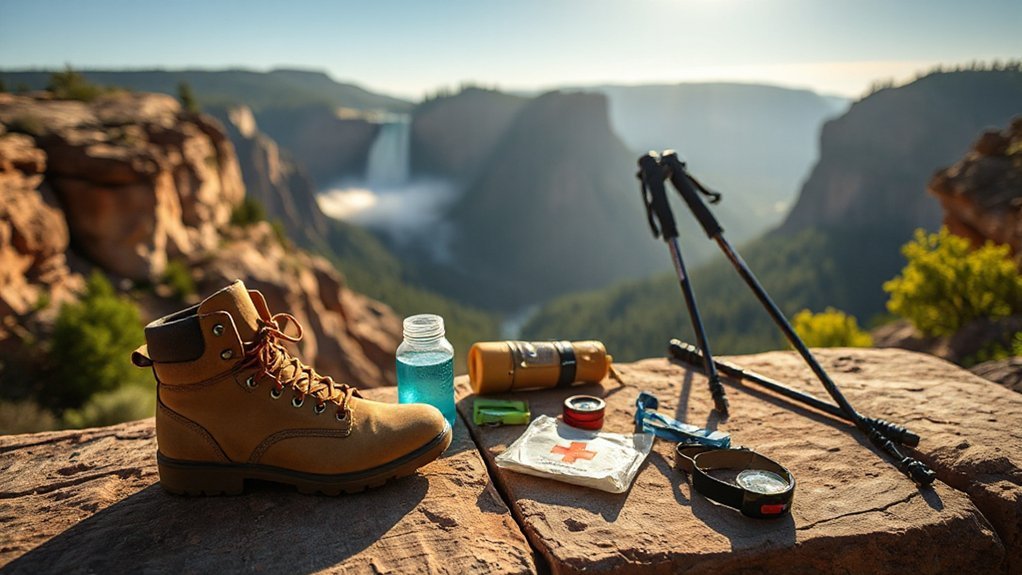
Because weather can change fast on the rim, pack layers and a lightweight rain shell so you stay comfortable from cool mornings to warm afternoons. Bring sturdy shoes, sun protection, and a daypack with essentials—you’re choosing freedom and responsibility. Plan a clear Hydration strategy: carry extra water, a filter or tablets, and sip often so you keep energy and focus.
Keep Emergency communication simple: share your route, set a check-in time, and carry a charged phone or personal locator if you’re going remote. Trust your instincts; turn back if conditions feel risky.
- Trail essentials: water, snacks, map, headlamp.
- Safety gear: first-aid kit, whistle, multi-tool.
- Comfort items: hat, gloves, lightweight towel.
You’ll leave feeling empowered, connected to the canyon and confident in your ability to roam wisely. Bring cash for permits, respect signage, and always tell someone your estimated return time for peace of mind daily.
Picnic Areas and Amenities
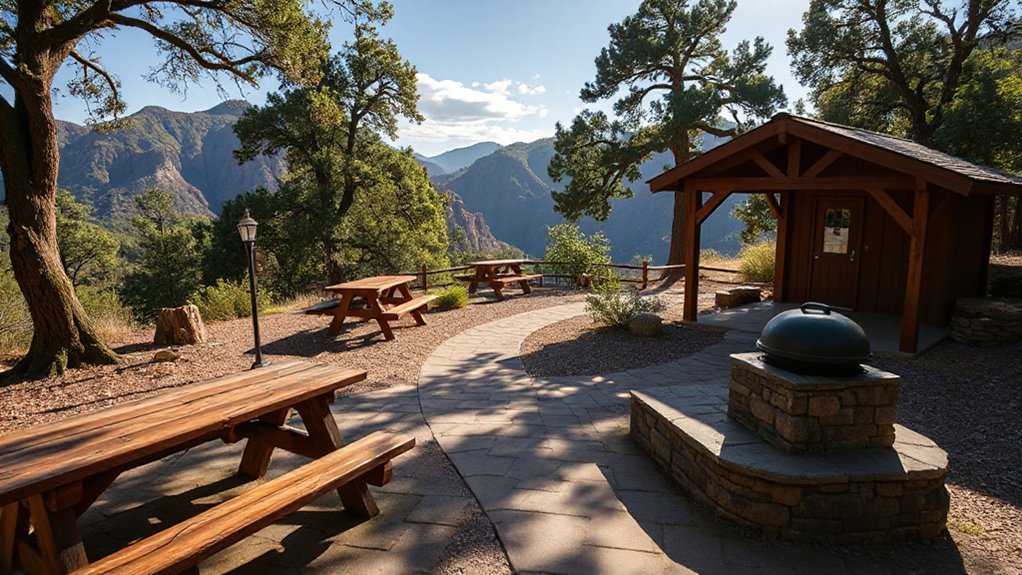
After you’ve checked your gear and hydration plan, treat yourself to a picnic—Cloudland Canyon’s picnic areas make it easy to rest and soak up the scenery. You’ll find grassy spots and shaded pavilions where you can spread a blanket, share a meal, and breathe without schedules. Tables and grills sit near trails so you can pause between viewpoints; kids and companions roam freely while you savor quiet. Park staff maintain clean restroom facilities close to main picnic zones, so you won’t worry about comforts. Pack reusable containers and carry out trash to keep this wild place wild. If you want solitude, walk a short spur to a hidden overlook; if you crave company, claim a pavilion near the parking lot and meet fellow explorers. Either way, these amenities support your day—letting you refuel, connect, and choose your next trail with energy and calm. Make memories and roam freely.
Best Times to Visit and Seasonal Highlights
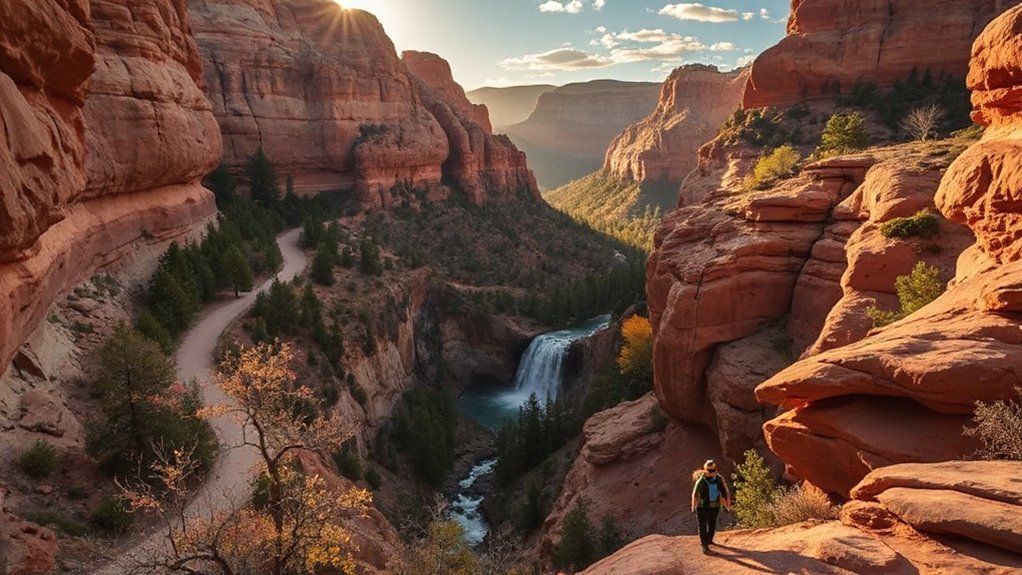
When you plan your trip, think about what you want most—lush waterfalls and wildflowers, blazing fall color, or crisp, solitary winter views. You’ll find each season offers a clear promise: spring brings roaring falls and Wildflower Bloom that invites you to breathe deeper; summer feels alive with long trails and late light; fall paints the canyon so you can chase freedom on every ridge. If solitude matters, winter’s stark lines and icy overlooks reward quiet reflection.
Choose your season—spring waterfalls and wildflowers, summer trails and long light, fall flames, winter solitude
- Spring — Wildflower Bloom, swollen cascades, and active Bird Migration make trails sing.
- Summer — Warm days, longer hikes, and vibrant greenery for relaxed exploration.
- Fall — Fiery foliage, cooler air, and golden sunsets ideal for immersive day trips.
Pack layers, plan early, and follow trail etiquette. Go when your heart leans toward discovery; Cloudland waits, open and ready. Return often to reconnect with wild freedom and share stories with new friends.
Frequently Asked Questions
Are There Entry Fees or Park Passes Required?
Yes, there are entry fees, and you’ll want to check the park’s Fee Schedule so you can plan; Annual Passes are available if you’ll visit often, saving money and giving you freedom to explore whenever the mood strikes. We get wanting spontaneous adventures, and the passes make that easier. Bring water, shoes, and your curiosity—you’ll feel glad you invested a little for big outdoor returns and memories that always last.
Are Pets Allowed on Trails and in Picnic Areas?
Yes — 76% of visitors bring pets, and you can take yours on trails and into picnic areas, provided you follow leash policies and clean up. You’ll want a short, sturdy leash to prevent risky wildlife interactions and respect other visitors. We all crave open trails; you’ll feel free exploring together while protecting animals and habitat. Stay aware, be courteous, and enjoy the shared adventure responsibly. Bring water, waste bags, treats.
Are Guided Tours or Ranger Programs Available?
Yes—you’ll find guided programs led by rangers, including interpretive hikes and seasonal talks that spark curiosity and respect for the landscape. You’ll feel encouraged to join hands-on activities, and kids can earn badges through the junior ranger program while exploring safely. These offerings aren’t rigid; they celebrate exploration, let you ask questions, and give you freedom to wander thoughtfully with knowledgeable guides. Bring water and curiosity—adventure waits for everyone today.
Can I Camp Overnight Inside or Near the Canyon?
You can camp near the canyon, but true backcountry camping inside is limited and requires permits; you’ll want to check with the park for sites. You’ll feel the pull of open night skies, and you’ll breathe easier knowing campfire regulations protect the wild. Pack light, leave no trace, and follow rules so you can roam freely while keeping the canyon wild for others. Rangers can guide you on legal options.
Is Drone or Aerial Photography Permitted in the Park?
No, drones and aerial photography aren’t allowed in the park without prior permission. You’ll need to honor FAA compliance and local rules, and prioritize avoiding Wildlife disturbance — the park’s peace and creatures matter. I know you want freedom to capture views; talk with the park office about permits or approved alternatives like guided photo points or handheld cameras so you can still share the canyon responsibly. Stay informed always.
Conclusion
You’ll leave Cloudland Canyon feeling refreshed and capable, with waterfalls and trails reminding you that nature’s rhythms can reset your pace. You’ll find picnic spots for quiet reflection and overlooks that beg a slow, grateful breath. Pack sensible shoes, water, and curiosity, and you’ll handle the terrain with confidence. Ready to trade screens for streams and footsteps for fresh perspective? Go with care, soak it in, and trust that this day will stick with you.