You’ll find Georgia’s top zoos and aquariums packed with wonder and purpose, from Atlanta’s Georgia Aquarium and Zoo Atlanta to coastal rescue centers in Savannah and Tybee Island and small North Georgia wildlife preserves. You’ll enjoy immersive exhibits, family programs, volunteer options, and conservation-focused encounters that respect animal space. Timing, accessibility services, and seasonal tips help you plan a smoother visit. Keep exploring to uncover specific sites, programs, and practical visit advice and planning resources.
Key Takeaways
- Zoo Atlanta: premier urban wildlife hub with immersive exhibits, conservation programs, and close-up encounters with gorillas, pandas, and native species.
- Georgia Aquarium: massive marine displays featuring whale sharks, belugas, interactive touch pools, and extensive education and conservation initiatives.
- Savannah and Tybee coastal centers: sea turtle rescue, bird rehabilitation, saltmarsh ecology exhibits, and hands-on volunteer conservation opportunities.
- North Georgia parks and small zoos: raptor and river otter rehabilitation, elk corridor monitoring, habitat restoration, and controlled-release programs.
- Visit planning essentials: timed-entry tickets, accessibility services, peak feeding times, tram schedules, and pacing tips for family-friendly exploration.
Atlanta’s Top Attractions: Zoo Atlanta and the Georgia Aquarium
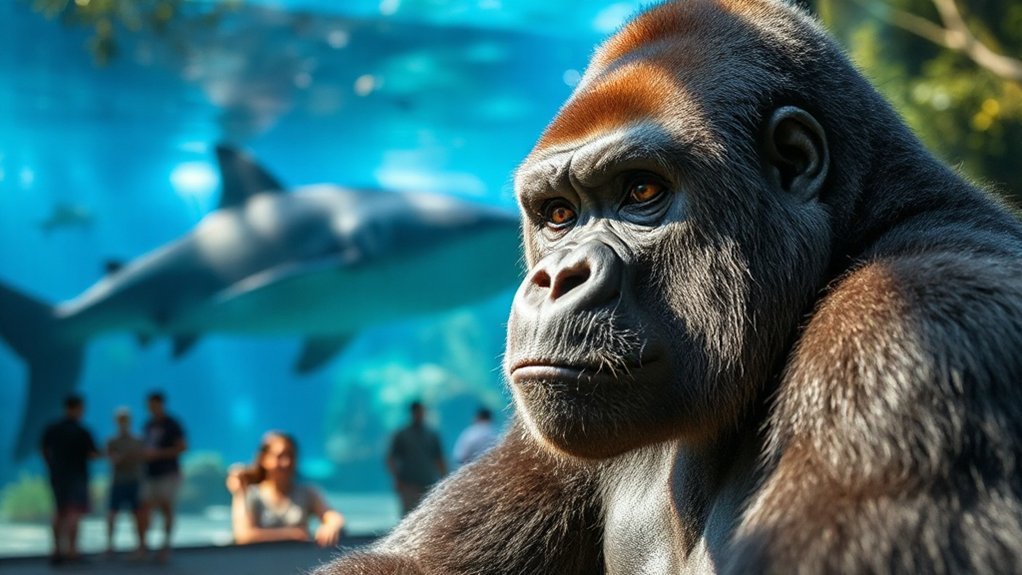
Take a deep breath and get ready to be amazed—Atlanta’s Zoo Atlanta and the Georgia Aquarium invite you into worlds of wonder where you can connect with animals both familiar and extraordinary. You’ll wander through thoughtfully planned spaces that celebrate urban biodiversity, from native pollinators to massive marine displays, and you’ll feel a new appreciation for life woven into the city. Exhibit design here isn’t just aesthetic; it’s a promise that animals and visitors share respectful sightlines, educational moments, and immersive encounters that free your curiosity. You’re encouraged to explore at your own pace, follow your questions, and act on the inspiration you gather—whether you’re supporting conservation programs or changing daily habits. These attractions offer freedom to learn, reflect, and engage with conservation in tangible ways. As you move between habitats and tanks, you’ll leave more connected, energized, and ready to champion wildlife in the urban landscape today.
Coastal Destinations: Savannah, Tybee Island, and Coastal Wildlife Centers
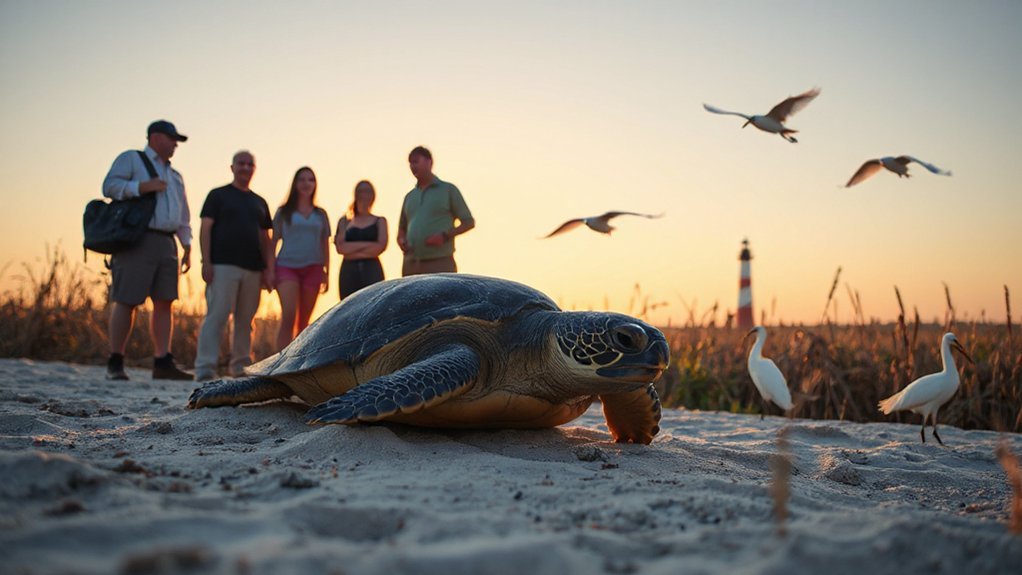
After exploring Atlanta’s urban wildlife hubs, you’ll find Georgia’s coast offers a different kind of wonder—Savannah’s moss-draped streets and riverfront charm, Tybee Island’s wide sandy beaches and salt-scented breezes, and a network of coastal wildlife centers where people rescue and rehab sea turtles, birds, and marine life. You’ll stroll historic squares, then head to marsh boardwalks where Saltmarsh Ecology comes alive: fiddler crabs, marsh sparrows, and tidal rhythms teaching you how habitats connect. On Tybee you’ll breathe easier, let wind and surf reset your pace, and watch volunteers practice Turtle Conservation with gentle urgency. These centers welcome curious visitors, offer volunteer chances, and show you practical steps to protect shorelines. If you long for space and purpose, coastal Georgia hands you both—a place to learn, heal, and act. Come open-hearted, leave inspired, and join the coastal community safeguarding wildlife and wide horizons for future generations and your own.
North Georgia and Mountain Parks: Small Zoos and Wildlife Preserves
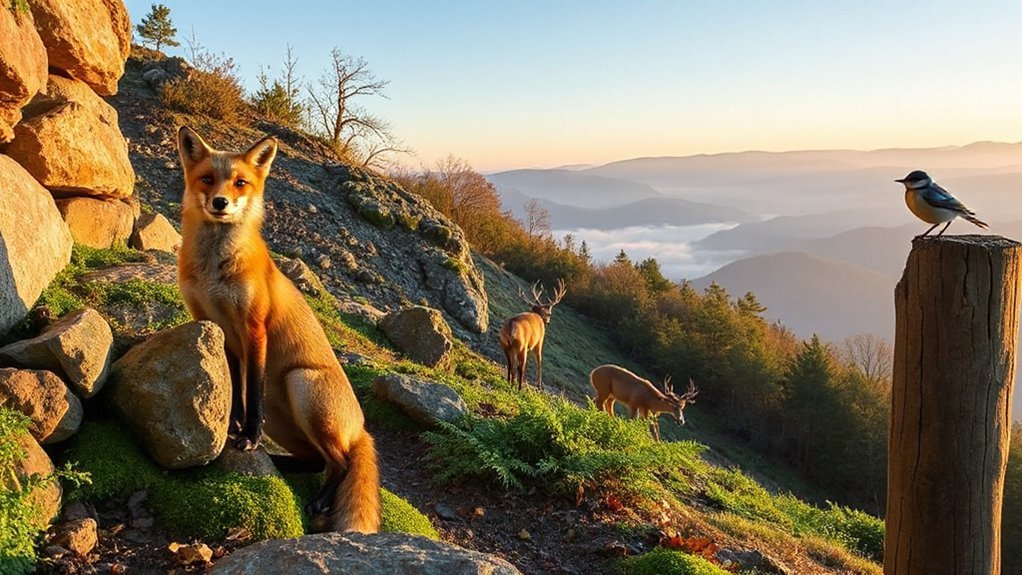
Crisp mountain air and rhododendron-lined trails lead you into North Georgia’s small zoos and wildlife preserves, where you’ll meet rehabilitated raptors, river otters, and native mammals up close and learn how rugged landscapes shape conservation efforts. You’ll wander trails at places like Highland Meadows, where open fields and forest edges let species roam and you reconnect with a wilder rhythm. These preserves prioritize habitat restoration, controlled release of healed animals, and monitoring of Elk Corridors that guide seasonal movement. Staff and volunteers respect your curiosity and the animals’ need for space, so you can observe without crowding. You leave feeling empowered: a clearer sense of how habitat protection, responsible visitation, and local advocacy safeguard mountain ecosystems. If you crave unconfined experiences, these compact sanctuaries offer quiet, meaningful encounters that remind you why wild places matter — and why your choices can help keep them wild for future generations.
Family-Friendly and Educational Programs Across the State
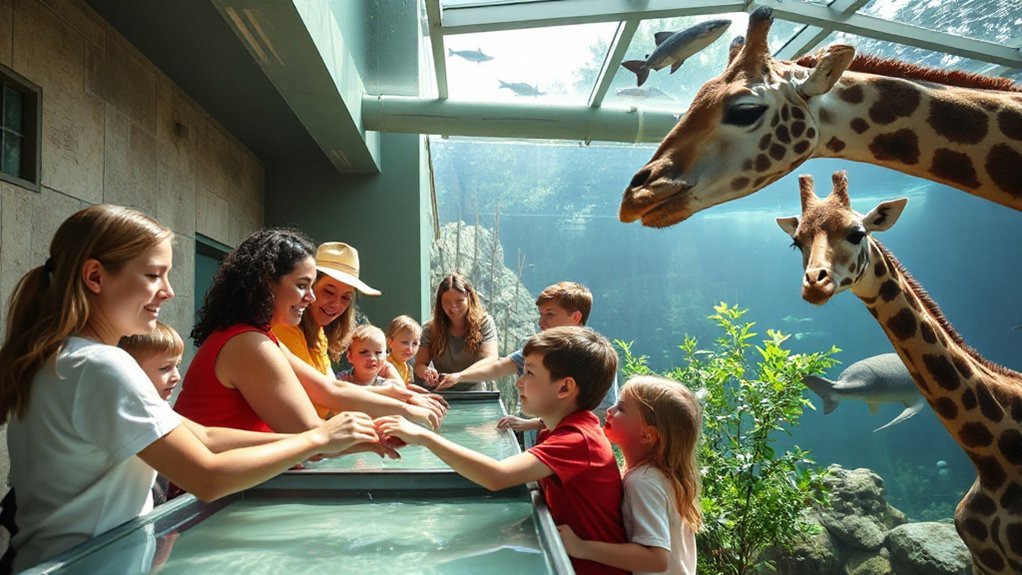
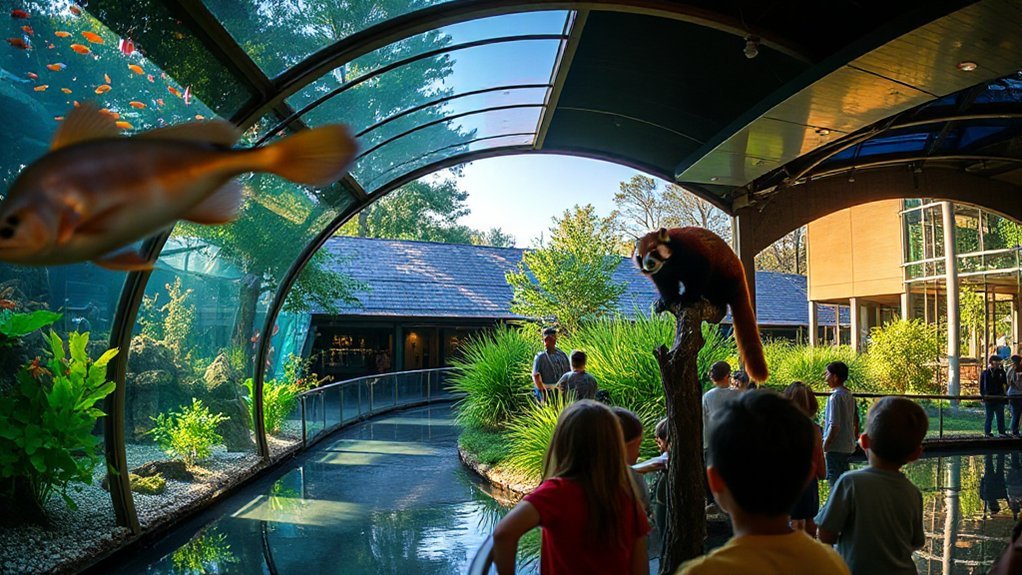
Many zoos and aquariums across Georgia offer family-focused programs that make learning about wildlife feel like an adventure you can join together, from hands-on animal encounters and summer camps to storytimes and citizen-science projects. You’ll find programs designed to spark curiosity and respect—interactive exhibits, guided nature walks, and age-tailored labs that let kids explore at their own pace. Museums partner with schools through School Partnerships that bring field trips, classroom resources, and educator training to underserved communities, so you can expand your child’s world beyond textbook. Weekend programs and series offer flexible options when you crave spontaneity. You can enroll in Conservation Workshops to learn practical steps for habitat restoration, species monitoring, and biodiversity. Staff and volunteers welcome questions, listen to your values, and help you take meaningful action. These programs give you freedom to learn, connect, and act together—turning wonder into stewardship you’ll be proud to share.
Planning Your Visit: Tickets, Accessibility, and Seasonal Tips
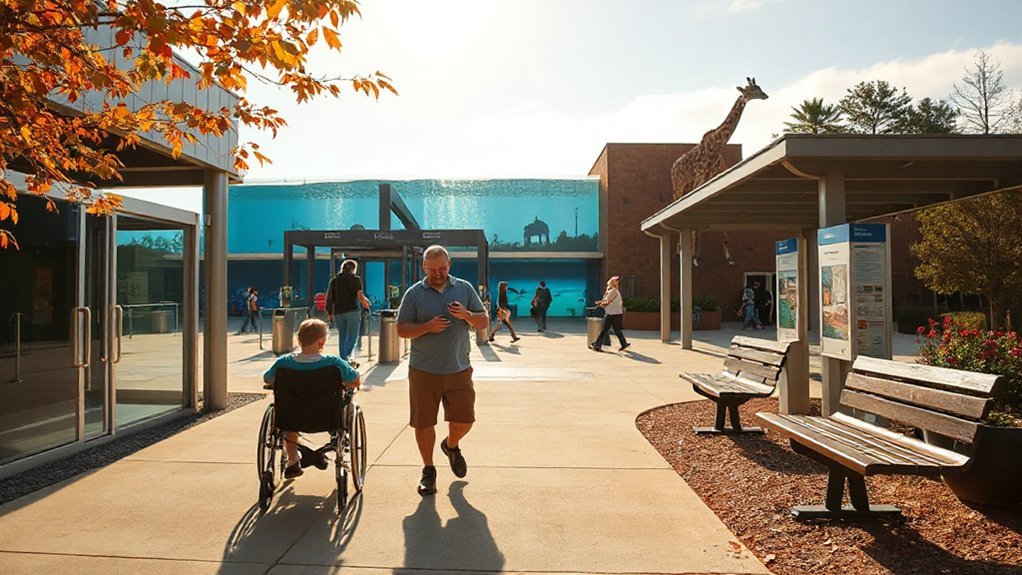
When you’re ready to turn those family programs into a full-day outing, a little planning will help you make the most of your visit—buy timed-entry tickets to skip lines, check accessibility services for strollers or mobility needs, and pick times when exhibits and animal encounters are busiest or calmest depending on your kids’ energy. You’ll feel freer exploring when you track crowd patterns and pick calmer windows. Reserve timed tickets, note tram schedules, and ask about sensory-friendly or mobility accommodations. Consider weather, seasonal feedings, and morning or late-afternoon routines to see lively animals. Keep parking logistics in mind—book spots if available or arrive early. schedule short rest stops. Slow your pace when kids need breaks, and follow curiosity when they’re energized; that balance lets everyone roam with joy.
| Time | Tip | Why it matters |
|---|---|---|
| Morning | Early entry | Fewer crowds |
| Midday | Lunch break | Energy reset |
| Afternoon | Feeding times | Active exhibits |
Frequently Asked Questions
How Can I Apply for Volunteer or Internship Positions at Georgia Zoos?
Start by checking each zoo’s website or volunteer page for application details and Application Deadlines, then submit your resume and tailored cover letter. Reach out to volunteer coordinators, ask about shadow shifts, and be flexible—you’ll gain freedom to explore roles. For Interview Preparation, practice answers about animal care, teamwork, and safety; bring questions that show curiosity. Follow up politely and celebrate each step toward hands-on experience and enjoy the journey.
Do Zoos Offer Animal Sponsorship or Symbolic Adoption Programs for Supporters?
Yes, like planting a flag for wild friends, you can sponsor animals through symbolic programs that let you support care and conservation. You’ll find Adoption tiers offering different benefits, and many places offer Virtual adoption options with photos, updates, and certificates. You’ll feel connected, free to choose impact levels, and your gift helps habitat, veterinary care, and education. Reach out to the zoo’s membership or conservation desk to get started.
Are Professional Photography or Drone Permits Required for Commercial Shoots?
Yes, you usually need permits for commercial photography and filming; Permit Requirements vary by site. You’ll want to contact administrators early, explain your project, and secure location or commercial-use permits. Drone Regulations are stricter: you’ll need FAA approval plus site-specific permission, and they may ban drones near animals. I know that feels restrictive, but with the right permits you’ll have creative freedom and protect wildlife while making your vision real.
What Are the Zoos’ Conservation Impact or Species Recovery Program Outcomes?
You see tangible wins: zoos report measurable Breeding Success that boosts endangered populations and restore wild numbers. You’ll feel hopeful as programs prioritize Genetic Diversity to prevent inbreeding and strengthen resilience. They collaborate with partners, release animals, and monitor outcomes, and you can support them through visits or advocacy. Together you’ll help safeguard species, celebrate recovery milestones, and preserve the freedom of wild animals to thrive for future generations, boldly.
How Do Zoos Handle Emergency Animal Evacuations During Natural Disasters?
Like when you cram your kids into the car before a storm, zoos activate Evacuation Protocols immediately; you’ll see staff triage, secure crates, and use Contingency Transport to move animals to safe facilities. You’ll feel their urgency and care—they’ve rehearsed routes, backup power, and veterinary support. You’ll be reassured that decisions balance safety and animal welfare, and you’ll know they’ll fight to preserve life and the freedom every creature deserves.
Conclusion
You’ll leave Georgia’s zoos feeling like a child who found a secret trail: on a first visit to Zoo Atlanta you might watch a rescued elephant gently nudge a keeper’s hand—proof that curiosity heals. You’ll carry that same quiet wonder from coastal centers to mountain preserves. Use the tips here, follow seasonal hours, and you’ll turn each visit into a small act of discovery that reconnects you to nature and to what matters most every day.