You’ll walk quiet fields at Andersonville, where ruined stockade remains and rows of stones ask you to witness hard truths and honor those who suffered. You’ll visit Camp Sumter’s markers, the National Prisoner of War Museum‘s personal artifacts, and the solemn cemetery. Move slowly, photograph respectfully, and let one meaningful stop shape your visit. Practical visitor info—hours, accessibility, guided programs—and nearby dining and trails are ahead if you want to plan the rest and reflection.
Key Takeaways
- Visit Andersonville National Historic Site and Camp Sumter to walk the stockade ruins, marker rows, and interpretive panels that reveal the prison’s scale and loss.
- Tour the National Prisoner of War Museum to see personal artifacts, first-person accounts, and reconstructions that humanize Civil War prisoner experiences.
- Spend time at Andersonville National Cemetery to reflect at rows of headstones and learn about reinterment controversies and evolving memory.
- Plan logistics: check seasonal hours, free admission or guided-program options, accessibility services, and reserve special accommodations in advance.
- Travel mindfully: walk slowly, follow photography etiquette, choose one meaningful stop, and finish with a nearby diner or nature trail for reflection.
Why Andersonville Matters

Why does Andersonville matter? You feel it in the hush that follows the facts: lives confined, dignity stripped, and a nation’s conscience tested. When you visit history like this, you don’t just recall battles—you confront how freedom can be endangered and reclaimed. Andersonville’s story forces you to reckon with human rights during conflict and with the wartime legacy that shapes laws, memorials, and the promise of humane treatment for prisoners. You won’t leave unchanged; you’ll carry questions about responsibility, compassion, and civic duty. That matters because desire for freedom needs stewardship; remembering hard truths helps prevent their repeat. You can honor victims by learning, by advocating for transparency in war, and by defending rights at home. This place asks you to be present, to listen, and to act—so memory becomes momentum toward a more humane future. Your witness matters; history needs guardians who choose justice over silence now.
Camp Sumter Site: Walking the Grounds

When you walk the grounds of Camp Sumter, the scale of loss becomes tangible: open fields, fragments of the stockade, and neatly spaced markers point to the lives once confined here. You’ll move between rows of small stones and interpretive panels, and Trail Signage guides your route so you can reflect without getting lost. The air seems to ask you to remember and to honor choices that led men to seek freedom in desperate times.
As you follow the path, walk slowly and consider Photography Etiquette: photograph respectfully, avoid intrusive selfies, and don’t step on marked graves. Let the landscape teach restraint and resilience; let silence deepen your resolve for liberty. You’ll leave moved, with a clearer sense that freedom asks continual care. Visiting Camp Sumter isn’t passive sightseeing—it’s a commitment to witness, learn, and carry those hard lessons forward. Share that promise with others and act daily.
National Prisoner of War Museum: Exhibits and Artifacts
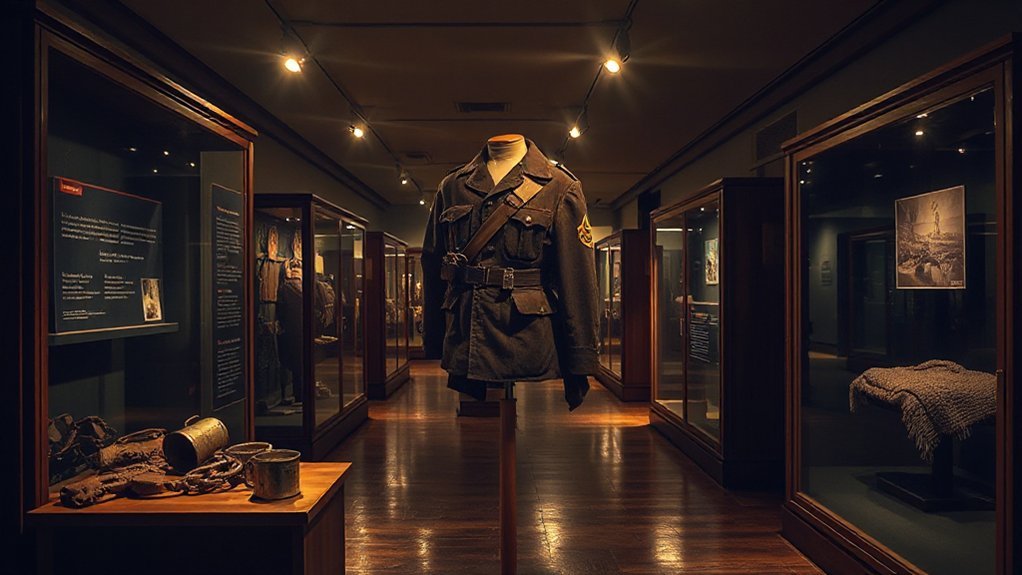
As you step into the National Prisoner of War Museum, you’ll be struck by artifact highlights that bring individual stories to life. Personal effects—letters, clothing, and tools—connect you directly to the people who endured captivity. Exhibits on camp conditions are sobering but essential, helping you grasp the daily hardships and the resilience those prisoners showed.
Artifact Highlights
A faded blanket folded under glass greets you and sets the tone: these artifacts aren’t just objects, they’re voices from people who kept hope alive under brutal conditions. As you move through the National Prisoner of War Museum, curated displays combine material analysis and provenance research to reveal stories of resilience. You’ll see everyday items, makeshift tools, and poignant remnants that map struggles for dignity. Labels are clear, context is honest, and you’re invited to reflect on sacrifice and the yearning for liberty that sustained prisoners. The exhibits don’t sensationalize; they honor. You’ll leave with a deeper respect for courage and a renewed commitment to freedom’s meaning, carrying those quiet lessons beyond the museum’s doors. Share what you learn, and let it inspire action.
Prisoner Personal Effects
Although modest and battered, the personal effects on display—buttons, pressed letters, a patched blanket, a carved spoon—give you a direct line to the people who lived and suffered here, and you’ll leave feeling like you’ve met them. You’ll trace fragile ink where men confessed fear, hope, and plans for home. These objects show how Emotional Attachments sustained courage: a locket, a Bible, notes folded tight. You can imagine hands smoothing a blanket or carving a spoon while dreaming of freedom. Exhibits reveal ingenuity—quiet Smuggling Methods that moved news, medicine, and tiny comforts—reminding you resistance used creativity as well as will. As you move between cases, let their things teach resilience and the right to liberty; they’ll push you to honor memory and defend freedom.
Camp Conditions Displays
Narrow bunks and mud-soaked paths make the camp’s hardships immediate, and you’ll feel what overcrowding, scant shelter, spoiled rations, and poor sanitation did to daily life. In the museum’s Camp Conditions displays, you walk through recreated quarters, see the implements prisoners used, and hear first-person accounts that turn numbers into people. Exhibits explain sanitation practices — crude latrines, limited clean water, and infrequent bathing — and how neglect accelerated disease transmission. You’ll leave determined: freedom matters, and human dignity can’t be stripped without consequence. The displays don’t sensationalize suffering; they honor resilience and spur reflection. As you move from artifact to testimony, you carry forward lessons about care, responsibility, and the value of preserving liberty for all. Share these lessons and defend freedom daily.
Andersonville National Cemetery: Stories and Graves


How do you stand among rows of white headstones and feel the weight of history? You walk slowly through Andersonville National Cemetery, reading names and regiments, and you let silence teach you. Each marker holds a life, a story of resilience and loss, and grave symbolism points you to shared sacrifice rather than anonymous numbers. You’ll sense debates lived here too: reinterment controversies remind you that memory changes with time and justice is often imperfect. Still, the ground offers dignity—orderly markers, neat grass, a quiet that lets hope breathe. You remember that freedom came at cost, and you’re called to honor it with conscience and care. This place invites reflection and action: learn, listen, and carry these lessons into civic life. You’ll leave humble, inspired to protect liberty and to tell these stories so they endure. Stand ready to defend freedom, and honor those who sacrificed. always remember.
Visitor Information: Hours, Tickets, and Accessibility

You’ll want to check seasonal opening hours so you can pick the best time to visit and avoid surprises. Ticket options range from free admission to paid guided programs and special events, so plan what fits your budget and interests. The site offers accessible pathways and services, and you can call the visitor center ahead to arrange any assistance you need.
Opening Hours & Seasons
During peak season, Andersonville welcomes visitors daily with extended hours, and outside those months the site shifts to shorter, quieter schedules—so it’s a good idea to check current times before you go. You’ll find mornings and late afternoons especially peaceful for reflection, wildlife spotting along trails, and photography; evenings may close earlier in shoulder seasons. Plan with weather readiness in mind—summer heat, spring storms, and winter chill change both comfort and what’s open. If you crave freedom to wander, aim for weekdays and early openings to avoid crowds and connect with the landscape. Signage at the entrance and the park’s website list seasonal calendars and any temporary closures, so verify before setting out to make the most of your visit. Enjoy thoughtful, unfettered freedom.
Ticket Options & Accessibility
Where can you buy tickets and what accessibility supports will make your visit easier? You can buy tickets online, by phone, or at the visitor center when you arrive; online purchases save time and often include guided-tour options. If you’re coming with others, ask about group discounts and reserve ahead to keep your party together. The park supports mobility needs with ramps, accessible restrooms, and loaner wheelchairs; service animals are welcome. For visitors who prefer calmer settings, the staff offers sensory accommodations, quieter tour times, and printed or large-print materials. Call ahead to arrange sign-language interpreters or special assistance. You’ll have the freedom to pace your visit—plan what matters to you, and the site will help make it meaningful and honor your curiosity today.
Nearby Attractions and Dining Options

How will you decide whether to stroll through the solemn grounds of Andersonville National Historic Site, browse local shops, or sit down for a slow Southern meal? You can follow your curiosity and pace, honoring history while feeding your need to roam. Start with Local eateries for breakfast or lunch; you’ll meet friendly faces and honest cooking. Then walk the Scenic trails nearby to clear your head and reflect. Consider these stops as options that respect your freedom to choose:
- National Prisoner of War Museum, learn quietly.
- Downtown shops, pick a handmade keepsake.
- Community diner, savor slow Southern plates.
- Nature path loops, breathe, wander, decide.
You don’t have to see everything. Let one meaningful stop shape your visit. Travel with intention, choose what resonates, and leave feeling both moved and free. Trust your instincts; you’ll create a personal connection that honors history while celebrating your freedom to explore.
Frequently Asked Questions
Are Drones or Unmanned Aircraft Allowed Over Andersonville Grounds?
No, you can’t fly drones over the grounds; they’re prohibited to protect visitors and historic resources. You should follow FAA regulations and park rules, and obtain authorization if a special permit exists. I get that freedom and aerial perspective appeal to you, but Privacy concerns and respect for the site matter. Consider guided tours or approved photography options instead, and reach out to park staff for safe, legal alternatives today.
Is Flash Photography Permitted Inside the National Prisoner of War Museum?
No, flash photography isn’t permitted inside the National Prisoner of War Museum. You might hear theories that flashes won’t harm artifacts; you’ll test that notion and see it’s false. Flash causes cumulative light damage, so staff ask you to respect camera etiquette and use no flash or tripods. You’ll still capture moments with patience, natural light, and steady hands. Always honor the stories here, preserve freedom’s lessons for future visitors.
Can I Film or Use Tripods for Commercial Shoots on Site?
You can film, but you’ll need to follow permit requirements and may pay location fees. Reach out to site staff early so you don’t lose creative freedom; they’ll guide you through rules about tripods, lighting, and sensitive exhibits. Be respectful, plan for restricted areas, and offer a production schedule. With permission secured, you’ll capture powerful footage that honors the place while expressing your vision and protect visitors’ experience and legacy.
Are Pets Allowed on the Walking Trails and Museum Grounds?
Yes, you can’t bring pets into museum buildings, but you can walk leashed pets on designated trails; service animals are always welcome. You’ll want to follow pet etiquette—clean up, keep control, and respect quiet spaces—so everyone can experience freedom and reflection. If you’re unsure where pets are allowed, ask staff; they’ll happily guide you to pet-friendly routes and help you enjoy a respectful visit. Bring water, patience, and a smile.
Is There On-Site Wi‑Fi or Reliable Cell Service for Visitors?
Like a lighthouse guiding you, there’s limited on-site wi‑fi and spotty cell service, so you shouldn’t count on steady coverage. You’ll want to download maps beforehand and use provided signal maps where available to find better reception. Bring a portable battery; charging stations are limited, and outlets can be scarce. I get wanting freedom—plan for offline navigation and capture moments without relying on a constant connection and enjoy the visit.
Conclusion
You’ll go expecting somber selfies and Pinterest captions, but you’ll leave with quiet lessons that won’t fit a hashtag. You’ll walk where people suffered, and you’ll feel small, moved, and strangely grateful for the chance to remember. Don’t rush the silence; let it teach you compassion and courage. You’ll carry their stories back into the noisy world, and you’ll live a little more thoughtfully for having been here—and then act on what you learn.