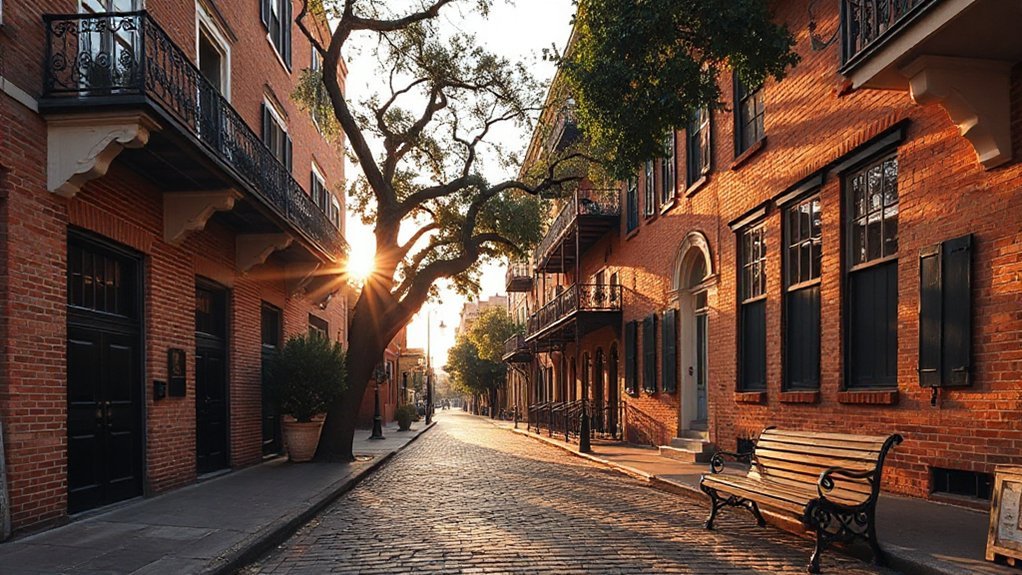
You’ll find hands-on history, swamp adventures, planetarium wonders, and farm-to-table programs across Georgia that spark curiosity and build real-world skills. You’ll walk battlefields, meet living-history interpreters, launch rockets, explore tidepools, and plant or harvest on engaging working farms. Programs respect safety, accessibility, and student choice while encouraging questions, reflection, and stewardship. Teachers get clear learning goals and scaffolded activities. Keep exploring this list to find trips that match your class’s age, interests, and learning outcomes.
Key Takeaways
- Visit historic sites and living-history programs for guided Civil War, plantation, and primary-source interpretation that foster empathy and civic reflection.
- Explore hands-on science centers and planetariums with interactive exhibits, makerspaces, and STEAM workshops to build problem-solving and creativity.
- Plan outdoor ecology trips—swamp walks, tidepool exploration, and farm visits—to teach biodiversity, stewardship, and practical sustainability skills.
- Include theatre, dance, or interactive arts workshops to encourage expression, cultural understanding, and post-visit reflection on freedom and identity.
- Prioritize logistics: clear learning goals, accessible routes, safety protocols, chaperone ratios, and short reflection circles to reinforce outcomes.
Historic Sites and Civil War Tours in Georgia
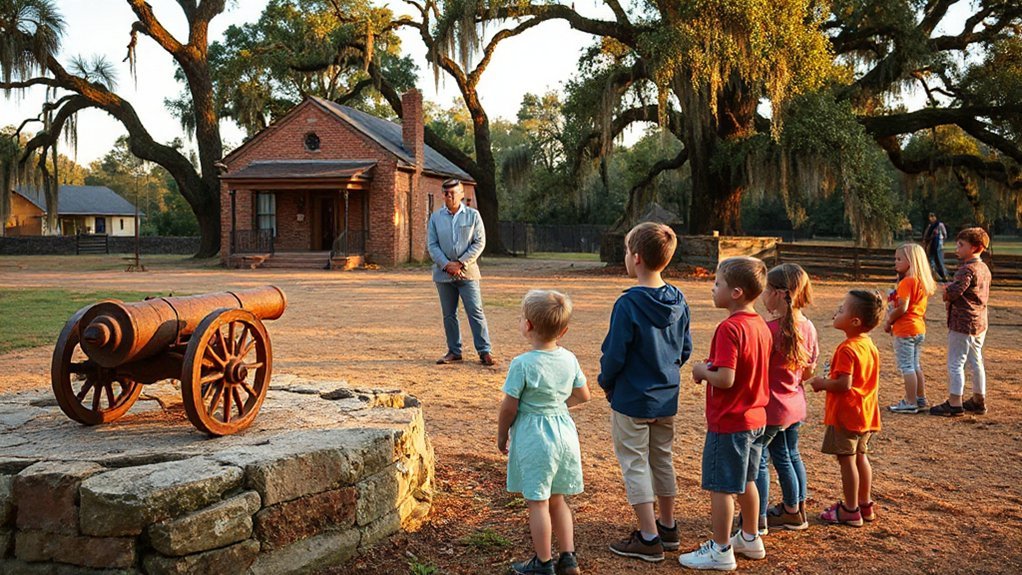
Because these places hold both hardship and hope, visiting Georgia’s historic sites and Civil War tours gives you a chance to connect with real stories rather than just dates in a book. You’ll walk battlefields, read Soldier Letters pinned in exhibits, and hear guides explain Military Strategy with clarity that makes choices and consequences human. You’ll feel the weight of sacrifice and the courage that pushed people toward freedom, and that feeling will stick with you. Bring kids’ questions and let them wonder aloud; their curiosity honors those who lived here. Tours balance sorrow with resilience, offering moments to reflect and to aspire. You’ll leave with a clearer sense of how decisions shaped lives, and with a deeper respect for the struggle for liberty. These visits won’t be easy, but they’ll be honest, grounding, and ultimately freeing. Take time afterward to discuss what freedom truly means, together openly.
Hands-On Science Centers and Planetariums
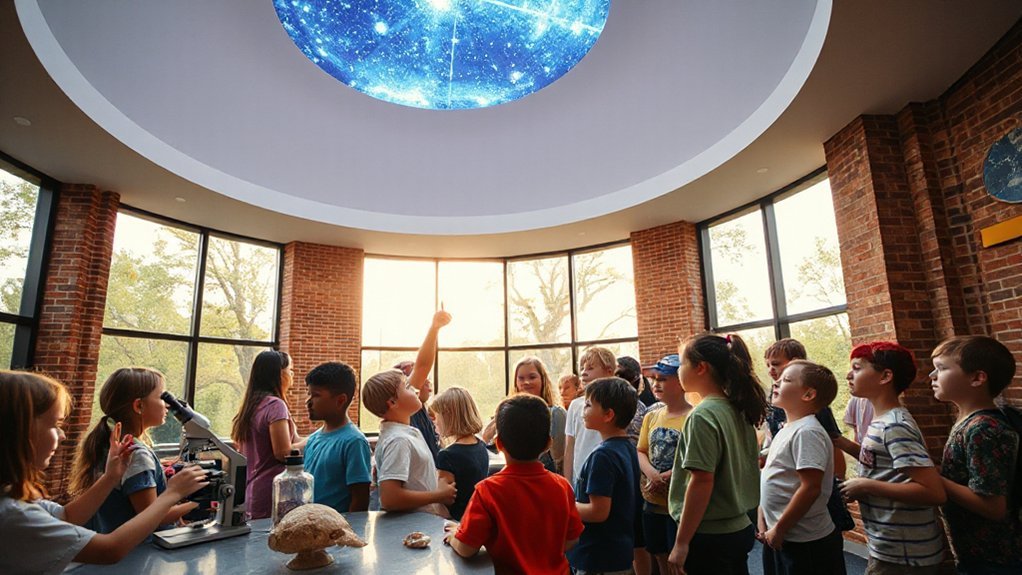
After standing where history was made, you might want a place where questions get answered by doing — hands-on science centers and planetariums turn wonder into experience. You’ll find bright labs where you can tinker, build, and test ideas, not just watch demonstrations. Interactive Exhibits invite you to touch levers, launch foam rockets, and chase real data, so you learn by experimenting. Planetarium Shows pull you into the cosmos with immersive visuals and guided narration that respect your curiosity and pace. You’ll leave with tools to keep exploring: simple experiments to try at home, apps that map the night sky, and new questions that push you forward. These trips give your kids autonomy to choose stations, follow interests, and make discoveries on their terms. They spark confidence, critical thinking, and a sense of limitless possibility—exactly the freedom you want their education to foster and fuel lifelong curiosity daily.
Wildlife Encounters and Swamp Expeditions

When you explore Georgia’s swamps, you’ll learn clear alligator safety tips so students stay calm and protected. You’ll also try hands-on swamp ecology activities—water quality tests, plant and insect surveys, and habitat mapping—that make classroom lessons come alive. You can plan outings that balance excitement with safety so every student leaves with respect for these ecosystems.
Alligator Safety Tips
Although swamp visits can feel thrilling, you’ll stay safe if you respect alligators’ space and habits. When you explore, keep distance, use binoculars, and follow ranger guidance so curiosity doesn’t risk freedom. Teach kids calm moves—no running near water—and explain why feeding is illegal. Practice Backyard Awareness at home: secure trash, close pools, and fence yards to deter late-night visitors. Use Pet Precautions—walk dogs on leash, avoid bringing pets to shorelines, and keep pets indoors at dawn and dusk. Trust your judgment; if an alligator approaches, back away slowly and find higher ground. You’ll enjoy the swamp’s wonder without compromising safety when you prepare, stay alert, and model respectful behavior that protects both your family and wildlife. Celebrate freedom through smart, confident outdoor choices.
Swamp Ecology Activities
How will you turn a swamp visit into a meaningful learning adventure without disturbing the wildlife? You’ll plan slow, quiet hikes, model respect, and give kids tools—binoculars, field guides, sketchpads—so they observe rather than handle creatures. Focus on stories of peat formation and nutrient cycling to show how swamps breathe and support life; let students map plant zones, record insect activity, and note water clarity. Encourage questions, creative journaling, and choices about noninvasive sampling like leaf litter counts. Set clear boundaries, explain species sensitivity, and celebrate small discoveries to build wonder and responsibility. You’ll leave the habitat unchanged, yet children will carry a sense of freedom, stewardship, and curiosity that lasts well beyond the boardwalk. Invite families to reflect and plan future visits together.
Agricultural and Farm-Based Learning Experiences

You’ll get your hands dirty helping with planting, feeding animals, or harvesting, which makes lessons about food and ecology come alive. At U-pick fruit farms you can teach seasonality, nutrition, and stewardship as students pick berries or peaches straight from the vine. These experiences spark curiosity and responsibility while giving you tangible moments to connect classroom concepts with real-world work.
Hands-On Farm Activities
Getting your hands dirty on a farm lets students connect science, food systems, and responsibility in real time; you’ll watch curiosity turn into confidence as they plant, harvest, feed animals, and test soil with guidance from farmers and educators. You’ll explore Market Economics by tracking how crops move from field to table, learning price, supply, and demand through mini-markets or classroom debriefs. Volunteer Programs let you give back while learning—kids gain stewardship, teamwork, and practical skills by helping with chores and community projects. These activities free students from screens, invite honest questions, and let you celebrate small successes together. You’ll leave with tangible lessons on sustainability, resilient habits, and a renewed sense of agency over food and nature that spark curiosity and community pride.
U-Pick Fruit Farms
With baskets in hand, you and your students step into rows of ripening fruit, turning a simple pick into a sensory lesson about seasons, pollination, and food systems. You’ll guide curious hands, explain how bees connect blossoms to berries, and encourage Fruit Photography to capture wonder. Let the open air teach patience and responsible foraging; talk about Picnic Etiquette so everyone respects the land and each other. This trip frees kids to explore, ask, and create connections between soil and supper.
- Taste: savor diversity, discuss nutrition and culture.
- Observe: document growth cycles, practice Fruit Photography.
- Respect: practice Picnic Etiquette, leave no trace, thank farmers.
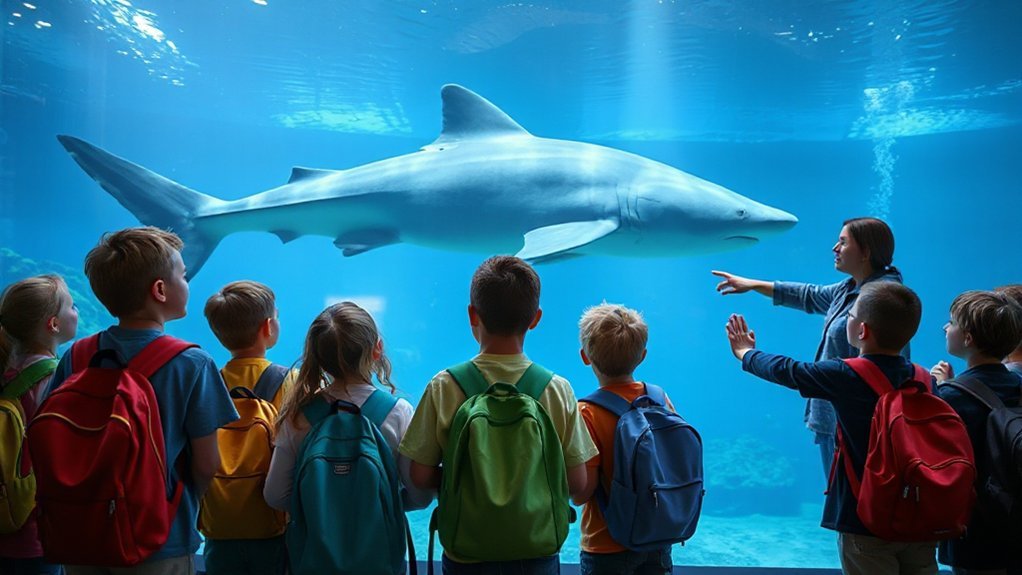
You’ll return with stories, lessons, and a renewed sense of stewardship that fuels future curiosity and joy.
Coastal Ecology and Marine Education Programs
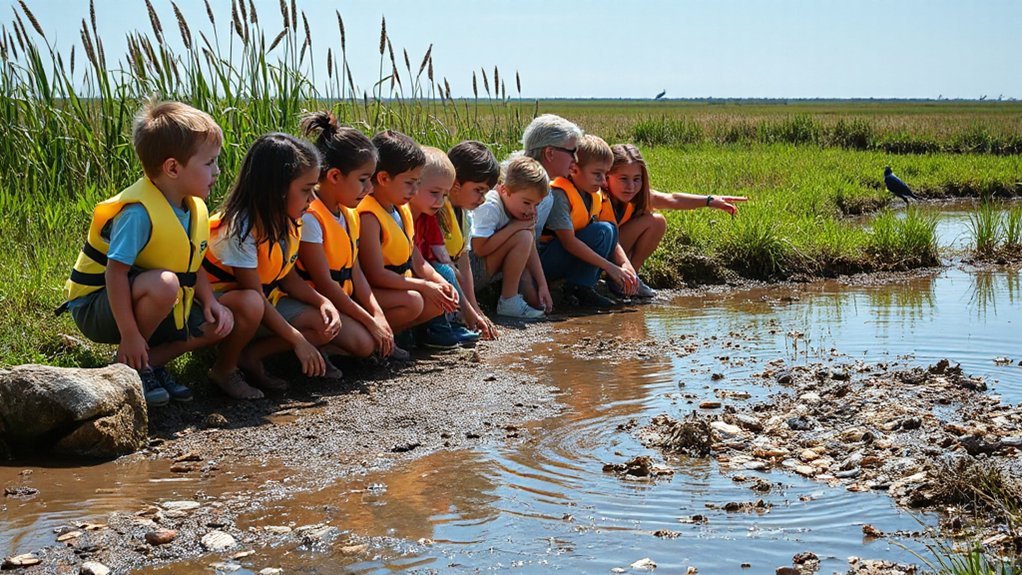
How can a tidepool teach more than a textbook? You’ll see it the moment you crouch and peer: Tidepool Biodiversity bursts in tiny shells, anemones, and crabs that show interdependence and resilience. Coastal ecology programs put you on beaches and marshes so kids learn by doing, touch, and curiosity. In estuaries you’ll explore gradients of salt and fresh water and practice Estuary Conservation habits that protect nurseries for fish and birds. Instructors guide respectful observation, simple experiments, and stewardship actions you can bring home. You’ll feel the thrill of discovery and the responsibility that freedom brings—learning to roam thoughtfully, make choices, and care for shared places. Field trips mix scientific inquiry with outdoor play, letting students record findings, ask bold questions, and plan small projects. You’ll leave with sharper senses, practical skills, and a quieter certainty that your curiosity can change places and lives and inspire future stewardship.
Living History Villages and Plantation Tours

Stepping into a living history village or plantation tour, you’ll sense history as a lived, complicated story—full of daily crafts and chores, but also of power, labor, and resilience. You’ll walk sites where people worked, learned, and resisted, and guides invite you to ask hard questions. Costume Interpretation brings characters to life, not as entertainment but as entry points to real lives; you’ll connect with routines like Daily Chores that shaped survival and community. These visits respect truth and teach responsibility, helping you and kids imagine past choices and present freedoms. Engage with tactile demonstrations, primary-source stories, and thoughtful conversation prompts; they deepen empathy and civic awareness. Consider these focuses on your trip:
Experience living history: daily chores, costume interpretation, and honest conversations about labor, resilience, and freedom.
- Examine labor structures and personal resilience through specific Daily Chores and testimony.
- Discuss how Costume Interpretation shapes memory, identity, and power.
- Reflect on freedom’s meanings today, inspired by historical struggles and agency.
Arts, Performance, and Cultural Field Trips
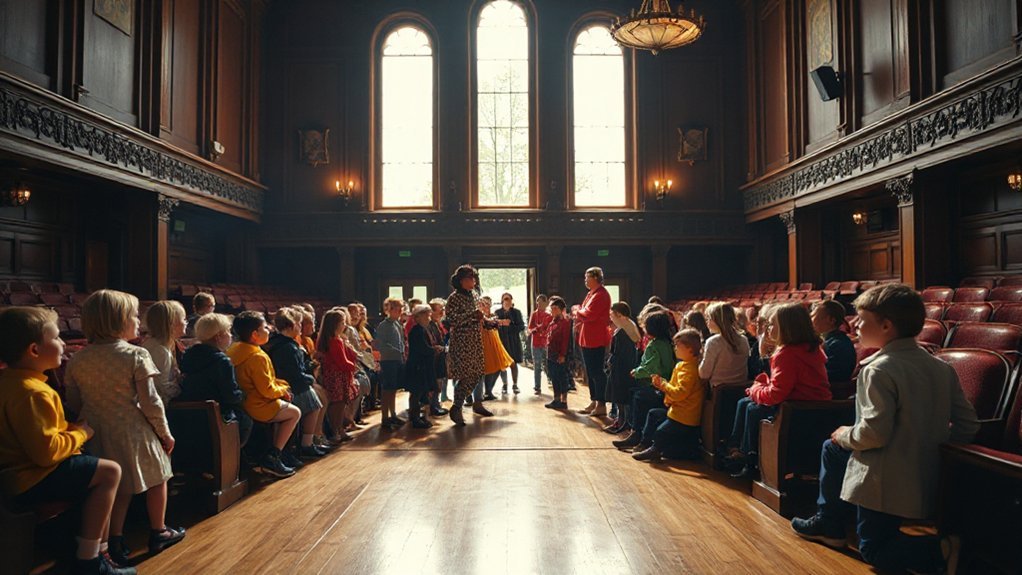
After engaging with living-history sites, you can carry that same curiosity into arts and performance trips that bring culture and creativity to life. You’ll find galleries, community theaters, and cultural centers across Georgia where kids explore storytelling, music, and visual arts hands-on. Prepare students with basic Theater Etiquette—quiet attention, respectful applause, phone-free—so they feel safe and confident in shared spaces. Choose programs that prioritize agency: interactive exhibits, youth matinees, and Dance Workshops that invite movement, expression, and cultural exchange. You’ll watch kids loosen up, try new roles, and discover voices that matter. Coordinate with hosts to adapt experiences for different ages and learning needs, and encourage reflection afterward—what moved them, what surprised them, what freedom looked like on stage. These trips spark empathy, creativity, and lifelong interest in the arts, giving young learners permission to imagine boldly and participate fully in the story of their community and beyond.
Outdoor Classrooms: State Parks and Nature Centers

When you bring students to Georgia’s state parks and nature centers, you give them a living classroom where curiosity, movement, and real-world science meet. You’ll watch kids reconnect with open air, discover local habitats, and practice Tree Identification while leading gentle hikes that respect pace and choice. Encourage Sensory Exploration—let them touch bark, listen to birds, smell pine—and they’ll remember lessons longer. You’ll guide questions, not lectures, so learners feel independent and engaged.
- Hands-on ecology: pond dips, soil study, and species spotting.
- Freedom to roam: structured routes with room for choice and wonder.
- Stewardship practice: trail care, leave-no-trace, and curiosity-driven projects.
Plan accessible routes, clear goals, and short reflection circles so students leave confident, inspired, and free to explore more on their own. You can adapt activities for age, mobility, and interest so every child experiences wonder, choice, and meaningful outdoor learning today and joy.
STEAM Workshops and Interactive Learning Labs
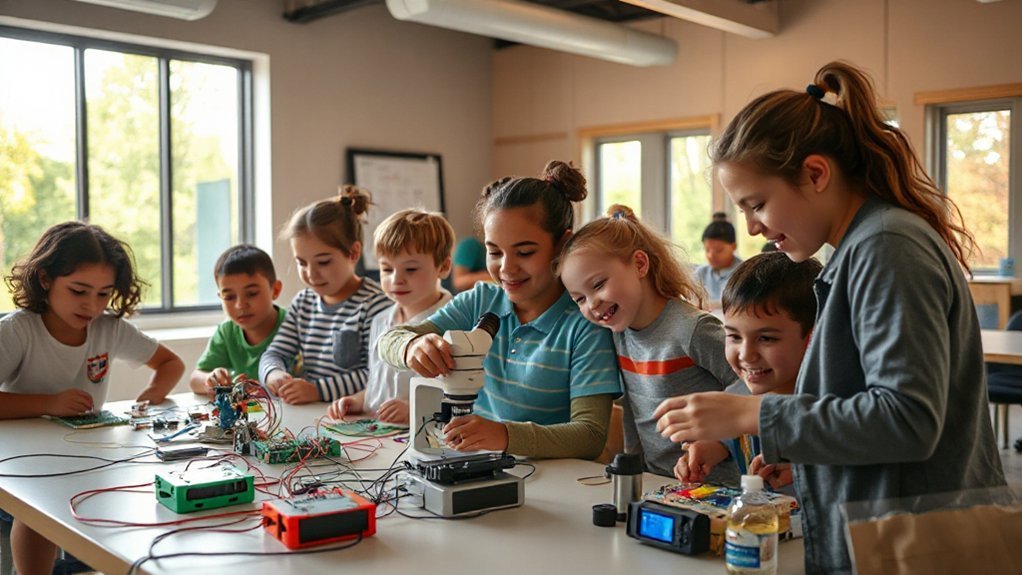
You’ve seen how fresh air and curiosity open minds; bring that same spark into hands-on STEAM workshops and interactive labs where students design, build, test, and iterate real projects. You’ll guide kids through Robotics Challenges that teach problem-solving, teamwork, and confident tinkering. In makerspaces and mobile labs, 3D Printing turns sketches into objects, so students own their learning and see ideas become material. You’ll watch hesitant learners take risks, troubleshoot code, refine mechanisms, and celebrate small wins. Field trips that center creation over memorization let students choose paths, experiment freely, and develop practical skills teachers can extend back in class. Logistics stay simple: look for programs with clear safety protocols, adaptable lesson plans, and staff who scaffold without micromanaging. You’ll leave energized, knowing kids practiced critical thinking, creativity, and collaboration in environments that respect curiosity and freedom—where learning feels like play with purpose. and spark lifelong learning journeys.
Frequently Asked Questions
What Are Typical Group Sizes and Required Chaperone Ratios?
You’ll usually plan groups of 15–30 students, adjusting by Age Breakdown and Venue Capacity, and you’ll bring one chaperone per 6–10 younger kids or one per 10–15 older students. You’ll coordinate with venues to match capacity limits and activity needs. You’ll feel supported, knowing ratios protect kids while giving you freedom to explore; organizers often allow flexibility if you communicate needs and safety measures in advance with confidence and joy.
Are There Discounts or Grants for School Groups?
Absolutely, you’ll find discounts and grants, sometimes like discovering a treasure chest for classrooms. Many sites offer group rates, and you can pursue grant eligibility through school district programs, PTO funds, or state arts/science grants. Look for community sponsorships from local businesses, foundations, and civic groups; they’ll often chip in. Stay persistent, ask for waivers, and you’ll free up budget to give kids unforgettable experiences while protecting students’ creative freedom.
What Safety and Emergency Protocols Are in Place?
You’ll find robust Medical Preparedness with trained staff, stocked first-aid kits, allergy plans and quick access to EMS. You’ll also see clear Evacuation Procedures, mapped routes, practiced drills and staff assigned to groups so everyone moves calmly. We understand you value freedom and safety, so staff empower teachers and students with choices, briefings and communication tools. You’ll leave confident that safety supports exploration, not restricts it while fostering curiosity daily.
Are Field Trips Accessible for Students With Disabilities?
Yes—you’ll find many field trips accessible for students with disabilities; organizers use Universal Design and Assistive Technology to remove barriers and spark independence. You’ll be supported by staff who’ll adapt activities, provide sensory-friendly options, and coordinate accommodations. You can request individualized plans, feel confident the environment will respect abilities, and embrace learning freely with peers. Reach out early to guarantee the best experience for your student every step with care.
How Far in Advance Must Trips Be Booked and Canceled?
You should book trips at least six to eight weeks ahead, and cancel as soon as plans change to keep flexibility. Give venues required Advance Notice—often two to four weeks for adjustments—and check Refund Windows carefully; some offer full refunds up to fourteen days prior, others partial later. We’ll help navigate policies so your group stays free to explore, adapt plans, and enjoy meaningful experiences and create lasting memories together.
Conclusion
You’ll leave Georgia’s field trips with curiosity stoked and backpacks fuller than when you arrived. I once watched a third-grader measure a wetland’s salinity and beam as if she’d uncovered a secret—like finding a key in a classroom drawer. With over 130 state parks and countless labs and museums, you can give kids doors they can open themselves. Trust their questions, follow their wonder, and you’ll watch them grow into lifelong explorers and change lives.