You’ll spend a day exploring Fort Mountain’s ancient stone wall, sweeping overlooks, and trails that suit any pace. Arrive early to snag parking, bring layered clothes, two liters of water and first-aid kit. Choose a short loop for easy views or a ridgeline hike if you want a challenge. Respect the wall’s mystery and local stories, shoot sunrise or sunset, keep your phone charged — keep going to uncover trail tips, legends, and safety notes.
Key Takeaways
- Arrive early to secure parking, check seasonal fees, and consider shuttles from nearby lots on busy weekends.
- Hike choice matters: short scenic loops for relaxed visits, ridgelines for strenuous exploration and extended views.
- The stone wall sparks theories: boundary markers, ceremonial alignments, or astronomical placements tied to solstices.
- Visit Sunrise and Sunset Lookouts for best photos, using a small tripod and prioritizing safety on exposed rock.
- Bring layered clothing, at least two liters of water, a basic first-aid kit, and a charged phone or map.
Getting There and Parking
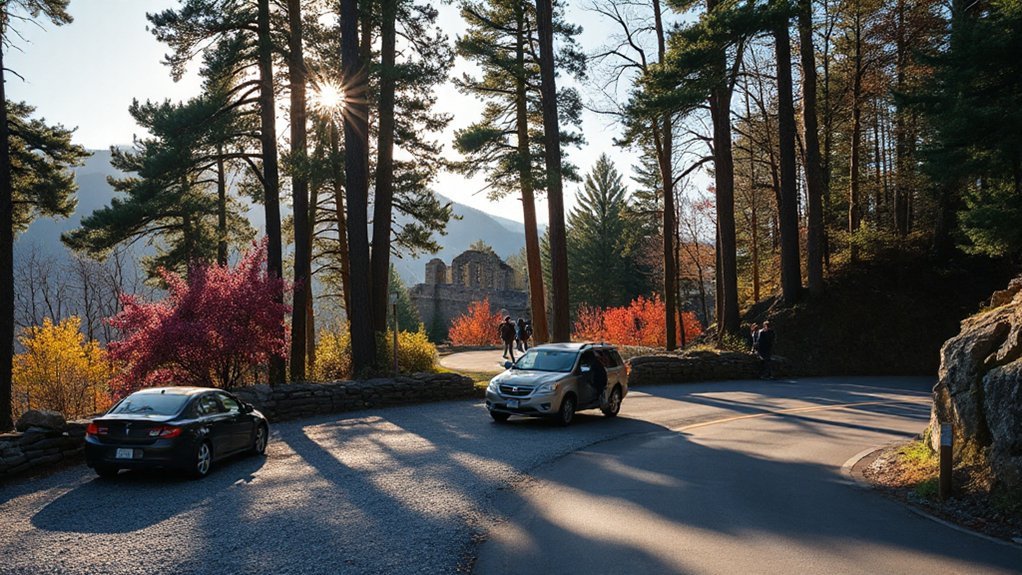
When you head out to Fort Mountain, aim to arrive early so you’ll beat the crowds and snag a good parking spot—especially on weekends and holidays. You’ll feel that easy thrill of getting the day on your terms; plan your route, check signage, and follow the access road to the main lot. Know that parking fees are modest but variable—bring exact change or card, and confirm seasonal rates online. If you want more freedom from driving, look into shuttle availability from nearby lots and the park entrance; shuttles run at peak times and free up space for spontaneous exploration. Pack water, a light jacket, and a map; you’ll appreciate having choices. If lots fill, don’t panic—turning back to a quieter overlook or waiting for the next shuttle can still make the day feel wide open. You deserve a calm, flexible visit; set the pace that fits you today.
Hiking Trails and Difficulty
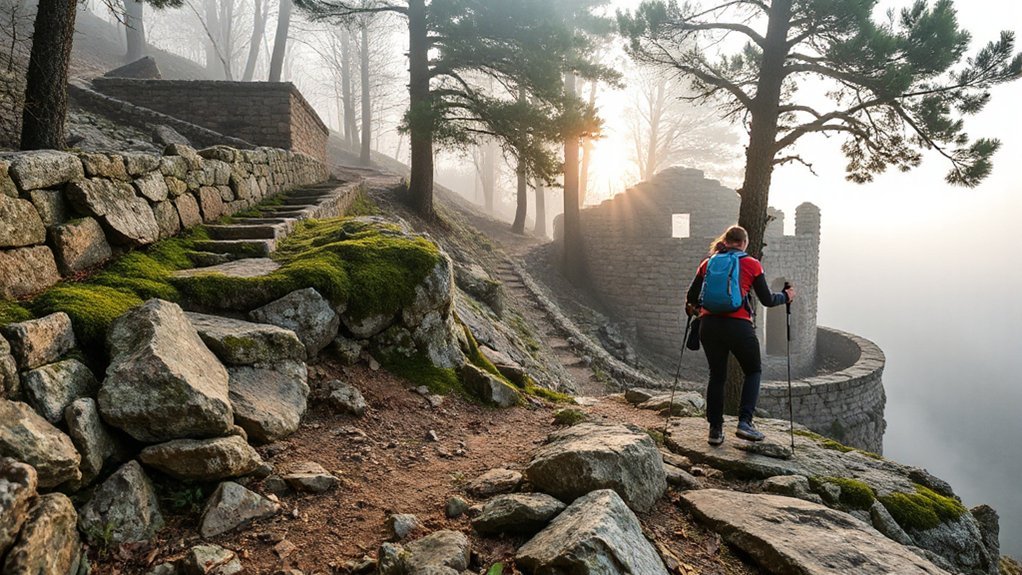
Choosing a trail starts with knowing what you want out of the day—scenic overlooks, a brisk workout, or a gentle stroll—and Fort Mountain delivers options for all levels. You can follow short loops that let you breathe wide vistas without committing hours, or tackle longer ridgelines that reward persistence with remote views. Trail Grading at the park is informal but clear: expect marked easy, moderate, and strenuous routes; check signs and ask rangers if you’re unsure. Think about Pace Planning before you set out—match your speed to trail difficulty and daylight, and build in breaks to savor freedom. Bring layered clothing, water, and a simple map; keep your phone charged but let the trail set your rhythm. You’ll leave feeling capable and alive, having chosen the right challenge for your mood and energy, free to explore at your own steady, confident pace. and embrace open, wild possibility today.
The Stone Wall: Theories and Legends
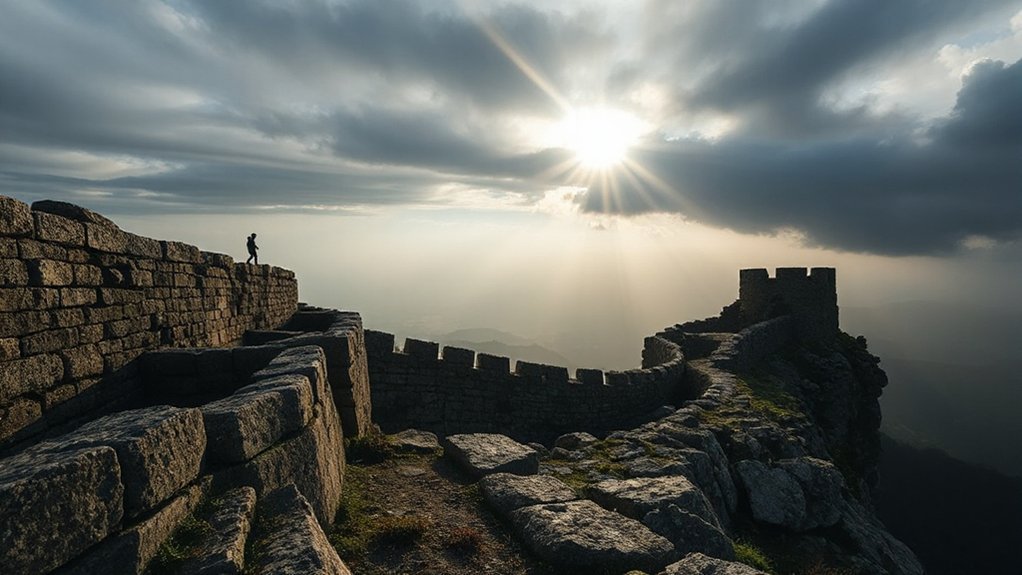
After you’ve stretched your legs on the ridgelines and soaked up the overlooks, you’ll probably spot the park’s famous stone wall and feel its mystery tug at you. When you approach, you’ll notice the wall’s rough stones don’t seem random; scholars debate whether it marks ancient boundaries, served defensive purposes, or guided community rituals. Some researchers argue for astronomical alignments, claiming certain stones line with solstices and lunar cycles, while others emphasize ceremonial functions tied to native traditions. You don’t need certainty to appreciate the experience: let the questions expand your sense of wonder and freedom. Touch the cool rock, trace its course, and imagine hands from centuries ago shaping meaning here. Respect the site, listen to local stories, and carry your curiosity forward ever onward. Whether you favor science, legend, or both, the wall invites you to wonder, to roam, and to make your own respectful interpretations.
Best Overlooks and Photo Spots

Granite ledges and sun-washed vistas will pull you toward the park’s best overlooks, and you’ll find spots perfect for quiet reflection or striking photos. When you ascend trails to the ridge, aim for Sunrise Lookouts to claim early light—breathing space, crisp shadows, and horizon lines that open like promise. Later, drift to Sunset Vistas where the sky loosens color and silhouettes sharpen; you’ll feel time expand. Bring a small tripod, a wide lens, and patience; composition matters less than the moment you let in. Lean on railings, step onto exposed rock with care, and frame the winding valley, the ancient wall, or a lone tree against vast sky. You’re free to linger, to move until an angle sings. Capture images for memory, not approval, and return home reminded that some places loosen your step and restore your boldness. Let the views loosen limits and invite your next journey.
Flora, Fauna, and Seasonal Highlights

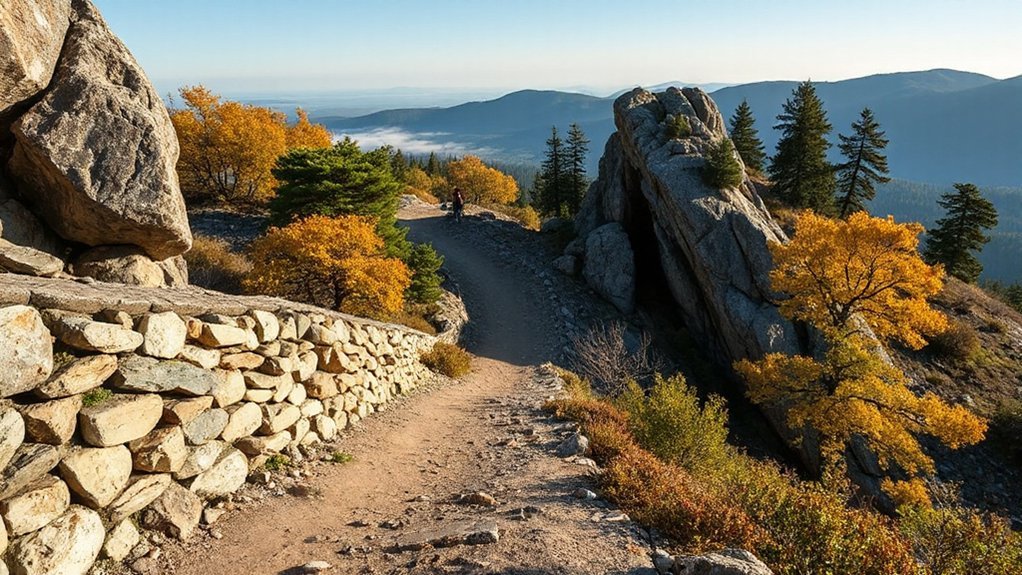
From those high overlooks you’ve been savoring, look down and let the living details pull you in—the park’s plants and animals are as much a part of the scene as the rocks and sky. You’ll notice spring slopes erupt with color; Wildflower timing varies by elevation, so you can chase blooms like a small, deliberate rebellion against routine. Watch for warblers and raptors during peak bird migration in spring and fall—you’ll feel the lift of passage, a reminder you can move with the seasons. Turtles sun on logs, deer slip through hemlock shadows, and chipmunks dart with bright urgency; these moments invite slow attention and quick joy. In late summer, mountain laurel and asters steady the palette, while crisp autumn turns hardwoods into a roaming festival of amber and crimson. Embrace the freedom to wander, to pause, and to let Fort Mountain’s living tapestry shift your perspective today.
Practical Tips: What to Bring and Safety

You’ll want plenty of water—hydration keeps your energy up and headaches away on the trails. Bring a compact first aid kit so you can handle blisters, scrapes, or unexpected twists with confidence. With water and basic supplies, you’ll feel safer and freer to enjoy Fort Mountain’s views.
Water and Hydration
Packing enough water and managing it smartly will keep you energized and safe on Fort Mountain’s trails. You’ll want at least two liters for a half-day, more in heat; carry a lightweight bladder or sturdy bottle and sip regularly to avoid spikes and crashes. Ignore Hydration Myths that say you must gulp only when thirsty — rhythm beats panic. Think about Electrolyte Balance: add a tablet or snack with sodium and potassium if you sweat a lot or plan long climbs. Filtered creek water can restore freedom, but always treat it with a reliable filter or purification drops. Stash an extra bottle in your pack and check levels every hour. Stay flexible, trust your body, and let hydration fuel your curiosity. You’ll thank yourself later always.
First Aid Kit
Keeping your hydration steady helps you feel sharp on the trail, and a compact first aid kit keeps you ready when small problems pop up. Pack essentials: adhesive bandages, sterile gauze, tape, antiseptic wipes, tweezers, blister pads, pain reliever, antihistamine, and any personal meds. Create a Contents Checklist you review before each trip so you don’t forget critical items. Perform Expiry Checks on medications, ointments, and sterile supplies—expired gear won’t protect you. Learn basic wound care and how to treat sprains; a small elastic bandage and instruction card give confidence. Stash the kit in an accessible, waterproof pouch and tell your group where it is. You’ll hike freer knowing you’re prepared, not burdened, by what might go wrong. Celebrate the freedom of responsible exploration.
Frequently Asked Questions
Are Guided Educational Programs or Ranger Talks Offered at Fort Mountain?
Yes, you can join Ranger Talks and Guided Hikes, they offer interpretive programs that connect you to the mountain’s stories. You’ll find staff who listen, inspire, and share natural and cultural history in an encouraging, conversational way. Bring curiosity and a sense of freedom; you’ll leave with new questions, calm energy, and practical tips for exploring on your own. Expect accessible schedules and opportunities to ask questions any time soon.
Is There an On-Site Visitor Center or Museum About Fort Mountain History?
Yes — there isn’t a full museum on-site, but you’ll find a small visitor center and outdoor Interpretive Signs highlighting Local Artifacts and history. Like two paths meeting at sunrise, those displays connect you to the mountain’s mystery. You’ll feel welcome, free to explore at your own pace, and encouraged to imagine the people who shaped this place. Staff or volunteers often point out details and answer your questions and stories.
Are Archaeological Excavations or Research Projects Currently Active Here?
Yes, researchers are conducting periodic digs and studies here, and you can follow Excavation updates posted by park staff and partner universities. You’ll feel encouraged knowing teams balance discovery with care: Artifact conservation is a priority, so finds are documented, stabilized, and shared responsibly. You won’t need special credentials to stay informed; subscribe to newsletters or chat with rangers. You’ll leave inspired to protect history and your freedom to explore.
Are Permits Required for Commercial Photography or Filming?
Yes, you’ll need permits for commercial photography or filming — think of the landscape as a stage that asks for a ticket. You’ll follow clear permit requirements and respect location restrictions to protect fragile sites. Don’t view this as a barrier; see it as stewardship that lets you create freely and responsibly. Apply early, communicate your vision, and you’ll usually get guidance to film while preserving the place’s spirit and joy.
Is Stargazing or Organized Night Sky Programming Available at the Site?
Yes—you can stargaze there, though organized night programs are limited; you’ll find open areas for watching the sky. Embrace the freedom to explore; bring binoculars or a small scope but respect Telescope Etiquette so others enjoy the view. Be mindful of Light Pollution nearby and choose darker hours for the best experience. Local rangers occasionally host informal talks—check ahead, arrive early, and let the night lift your spirits; freely roam.
Conclusion
You’ll leave Fort Mountain changed, heart beating from the climb and curiosity stoked by the wall’s secrets. You might think you’ve seen it all, but as dusk settles and the woods whisper, something in you wants to come back—to decode a stone, to watch a sunrise from the ridge, to simply breathe. Trust that pull. Keep a camera, a map, and an open mind; the mountain still holds one more surprise today waiting for you.