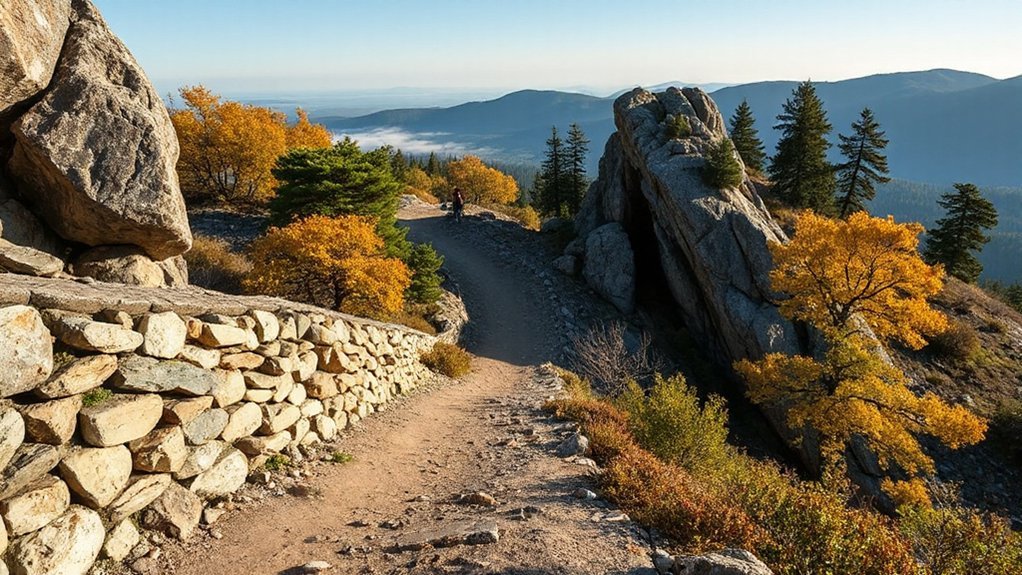
You can explore Georgia’s free historic sites from Savannah’s moss-draped squares to MLK Jr. National Historical Park, Kennesaw Mountain battlefield, Andersonville’s solemn grounds, Ocmulgee’s earthen mounds, Fort King George, and lively downtown Augusta. Bring comfy shoes, follow ranger talks, and slow your pace to soak in stories, music, and living-history demonstrations. These places invite reflection, inspiration, and curious wandering — keep going to find practical tips, routes, and what each site feels like up close.
Key Takeaways
- Savannah Historic District: free to explore cobblestone streets, moss‑draped oaks, public squares, and preserved 19th‑century architecture.
- Martin Luther King Jr. National Historical Park: free site with Birth Home tours, Ebenezer Baptist Church exhibits, and ranger interpretation.
- Kennesaw Mountain National Battlefield Park: free hiking trails, interpretive signage, and summit views of metro Atlanta.
- Andersonville National Historic Site: free visitor center, prison site exhibits, and solemn burial grounds for reflection and learning.
- Ocmulgee Mounds National Historical Park: free access to earthen mounds, museum exhibits, trails, and ranger programs on indigenous heritage.
Savannah Historic District
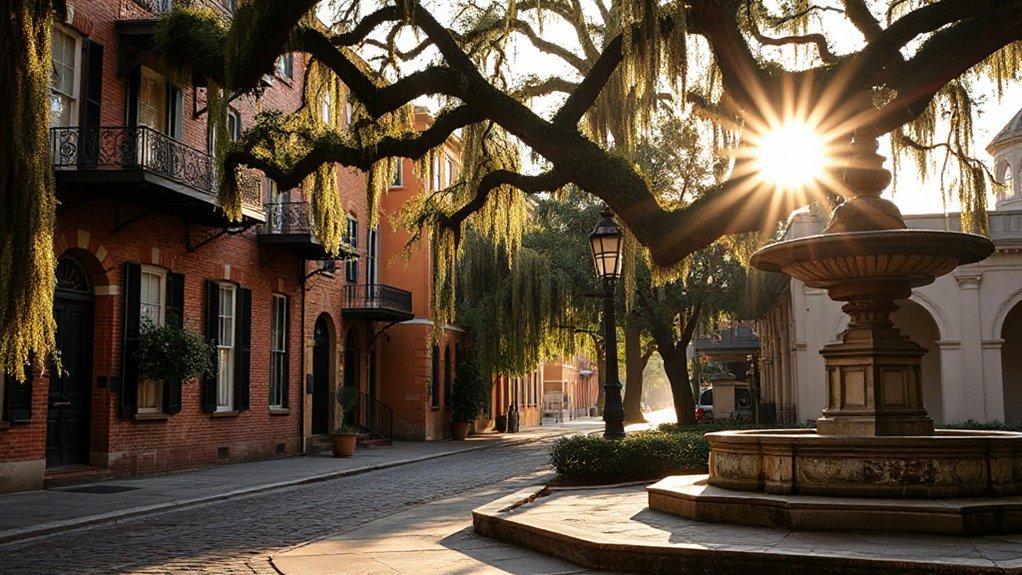
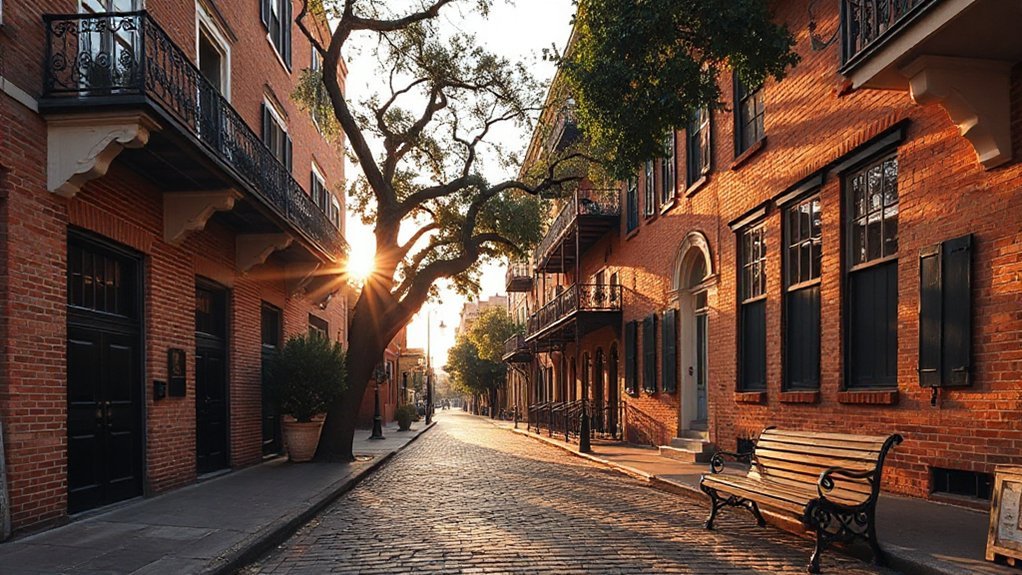
Strolling through the Savannah Historic District feels like stepping into a living postcard: you’ll find cobblestone streets, moss-draped oaks, and elegant squares that invite you to linger. You wander under canopies that whisper history, and you’re reminded that freedom and choice brought you here. Architectural preservation shines in every façade; restored townhouses and public buildings show respect for craft and past voices. You’ll pause on a bench, breathe in sea air, and let the city’s soft rhythms guide your steps. Local guides and friendly residents share stories that expand your sense of place without confining it. You can explore at your own pace, choose a quiet square to write, or follow a route that surprises you. This district gives you room to reflect, to reconnect with simpler pleasures, and to feel the joyful possibility that every preserved street and square offers a fresh start. Embrace freedom daily now.
Martin Luther King Jr. National Historical Park

When you visit the Martin Luther King Jr. National Historical Park, you can tour the modest birth home that shaped his early years. Guided Birth Home Tours bring his story to life with personal details and photographs. Then walk to Ebenezer Baptist Church, where you’ll feel the power of his preaching and the community that sustained the movement.
Birth Home Tours
Often you step into the modest two-story house on Auburn Avenue and feel the hum of history—the place where Martin Luther King Jr. was born and where his family life shaped his early convictions. When you join a Birth Home tour, a ranger or volunteer guides you through simple rooms that hold powerful stories. You listen closely, respect tour etiquette by speaking softly and following photography rules, and you leave changed. The visit connects personal hope to collective freedom, reminding you that ordinary family moments can spark extraordinary movements. Contributions and awareness help preservation funding maintain this fragile space so future visitors can learn and be deeply inspired. You’ll carry that quiet courage with you as you work for justice in your own life.
Ebenezer Baptist Church
Step inside Ebenezer Baptist Church, part of the Martin Luther King Jr. National Historical Park, and feel the quiet power of a place where faith and freedom met. You’ll notice simple Architectural Features—wooden pews, light-filled windows, and a modest pulpit—that focused attention on words that changed a nation. As you move through the sanctuary, you’ll sense how leaders used this room to lift voices and organize for justice. The site still hums with purpose: guides explain sermons, personal stories, and the movement’s strategies, showing how worship became civic action. Community Outreach continues here through programs, tours, and conversations that welcome you to learn, reflect, and join the ongoing work for dignity and equal rights. You’ll leave inspired to act for freedom and justice today.
Kennesaw Mountain National Battlefield Park

A granite outcrop rises above the tree line at Kennesaw Mountain, and you’ll feel the pull of history the moment you start up the trail. You can walk preserved battle lines where soldiers once stood during the Civil War, but you won’t be stuck in the past; you’ll breathe open air and claim a sense of freedom with every step. The park’s Hiking Trails range from gentle loops to challenging climbs, and each path gives you space to reflect, to learn, and to move your body. Rangers are friendly, the signage is clear, and the summit rewards you with sweeping views of metro Atlanta and surrounding ridgelines. Bring water, wear sturdy shoes, and take your time—this place invites deliberate pace. Whether you’re seeking solitude, inspiration, or a tangible link to history, Kennesaw Mountain helps you feel both grounded and free as you trace the landscape that shaped nation.
Andersonville National Historic Site
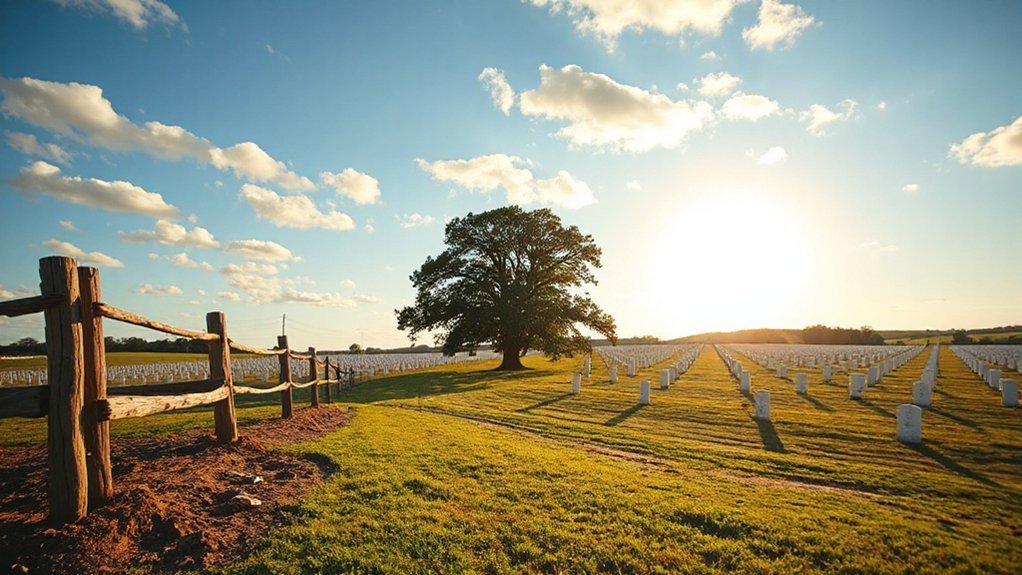
When you visit Andersonville National Historic Site, you’ll confront a somber chapter of the Civil War where open fields and quiet pines hold stories of hardship, sacrifice, and resilience. You can walk the burial grounds, read prisoner letters displayed in the visitor center, and feel the weight of lives lived in confinement. The site’s memorial design is spare and deliberate, guiding you to reflect without spectacle. As you move between markers you’ll sense individual names transform into shared memory and resolve. The landscape teaches about endurance and the cost of conflict, urging you to value liberty and human dignity. Park rangers welcome questions and point to artifacts that make history personal. You’ll leave carrying quiet lessons about compassion, responsibility, and the freedoms people fought to protect. Andersonville invites you to remember, learn, and commit to a future shaped by respect for life and liberty, and shared civic duty.
Ocmulgee Mounds National Historical Park
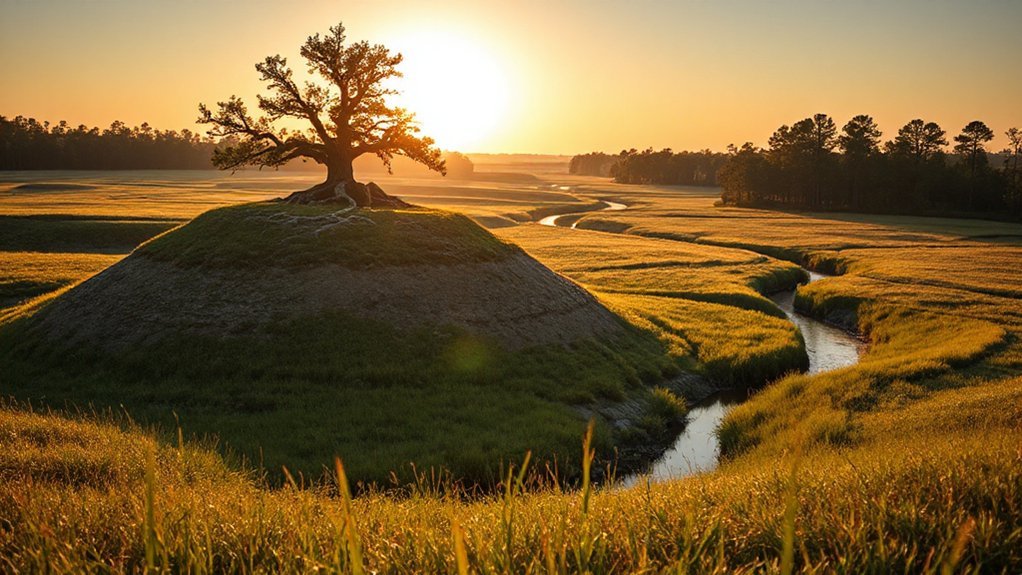
At Ocmulgee Mounds National Historical Park you’ll walk among towering earthen mounds and open plazas where Native communities lived, farmed, and gathered for centuries, and you’ll feel a deep sense of continuity with the people who shaped this landscape. You can explore trails, visit the museum, and reflect at ceremonial sites that reveal resilience and freedom across generations. Ocmulgee’s Archaeological Excavations have uncovered pottery, copper ornaments, and structural remnants tied to the Mississippian Culture, offering tangible links to ancestral lifeways. You’ll learn from exhibits and ranger talks, and you’ll leave inspired by how place, memory, and stewardship connect us. Bring water, respect the sites, and savor wide skies that invite open thinking.
- Walk the Great Temple Mound
- Visit the park museum exhibits
- Attend a ranger talk or program
- Respect sacred areas and signage
- Enjoy trails and river views
You’ll leave more grounded, free, and committed to stewardship today.
Fort King George Historic Site

When you step onto the grounds of Fort King George, you’ll find a carefully reconstructed 18th-century fort and clear exhibits that lay out Georgia’s colonial frontier story. You can explore museum rooms filled with artifacts and hands-on displays that make the past feel immediate. Living-history demonstrations let you meet reenactors, hear period drills and muskets, and imagine daily life on the frontier.
Fort History and Exhibits
As you step through the palisade at Fort King George, you’ll feel how the site’s exhibits and restored structures bring Georgia’s colonial frontier to life, connecting you directly with the people who shaped this coastline.
- Authentic artifacts, highlighting Artifact conservation practices.
- Exhibit panels tracing Architectural evolution of the fort.
- Restored barracks, storehouse, and palisade.
- Interpretive displays about daily colonial life.
- Quiet viewpoints where you can reflect on freedom.
You’ll wander with purpose, reading labels, imagining choices made here, and appreciating careful preservation that honors resilience and liberty. Staff and volunteers explain context, and the exhibits invite you to claim a personal connection to these stories of courage and perseverance along Georgia’s coast. You’ll leave inspired to protect public and local heritage and pursue freedom.
Living-History Demonstrations
You’ll see the fort’s stories move off the panels and into the dirt during living-history demonstrations, where costumed interpreters reenact drills, crafts, cooking, and everyday tasks to show how people lived and worked here. You can watch muskets fire, join simple chores, and ask questions that connect past choices to your own hunger for liberty. Demonstrators practice Period crafts, weave, mend clothing, and shape tools using methods that honored resourcefulness. Nearby hearths teach Historical cooking—stews, cornbread, preserved fruits—so you smell the resilience that fed generations. These moments aren’t staged museum pieces; they’re invitations. You’ll leave more rooted in a living past and more certain that ordinary people, using skill and courage, shaped freedoms you enjoy today and you’ll carry their example into daily life.
Historic Downtown Augusta

Step into Historic Downtown Augusta and let its brick-lined streets and wrought-iron balconies guide you through layers of Southern history and living culture. You’ll wander Broad Street, find galleries in the Canal District, and feel how freedom shaped commerce, music, and everyday life. Follow your curiosity: listen to jazz spilling from a corner, read plaques about resilience, and taste simple Southern hospitality without a price tag.
Wander brick-lined Broad Street and Canal District alleys—listen for jazz, read resilience, taste Southern hospitality.
- Stroll Broad Street for architecture and shops
- Explore the Canal District’s historic riverfront paths
- Visit free museums and rotating public exhibits
- Attend street performances and seasonal markets
- Pause at monuments honoring local stories
You’ll leave inspired, knowing historic downtowns can teach you about independence and community while inviting you to walk your own path. Bring comfortable shoes, an open mind, and a sense of wonder—you’ll discover freedom’s echoes in every alley, park bench, and mural today, too.
Frequently Asked Questions
Are Pets Allowed on Trails and in Historic Buildings?
Yes, pets are generally welcome on many trails, but they usually can’t go inside historic buildings. You should follow leash policies, pick up waste, and respect signage; that pet etiquette helps preserve sites for everyone. Bring water, sturdy gear, and a calm attitude so your companion can roam responsibly while you soak up history. You’ll find freedom in thoughtful exploration when you honor rules and keep places beautiful for visitors.
Is There Accessible Parking and Mobility Assistance Available?
Yes you’ll find accessible parking and mobility assistance at many sites. Staff’ll guide you from marked accessible parking to wheelchair ramps, and volunteers can offer mobility help when needed. Pathway surfaces vary, but sites aim for smooth, stable routes and will tell you which areas are best for wheeled access. You’ll feel welcomed and free to explore; just contact a site ahead for specific accommodations and staff love helping visitors.
Are Guided Tours Available or Obtainable Onsite?
Yes, you can often join guided tours onsite; Ranger Programs run on set daily schedules and volunteers lead informal walks. If you prefer independence, you’ll find Audio Guides and self-guided brochures that let you explore at your own pace. You’ll feel welcome to wander, ask questions, and choose the experience that fits your spirit. These options free you to connect with history in ways that inspire and uplift your journey.
Are Restrooms and Drinking Water Available at Each Site?
Yes, not every site has facilities, but many do and staff will point you to restroom locations and water availability on arrival. Bring a refillable bottle; you’ll find taps or fountains at larger sites and visitor centers. If a site lacks amenities, volunteers often share nearby options. You’ll feel empowered to plan ahead, explore freely, and sip and rest whenever you need to keep your journey joyful and breathe easy.
Can I Film or Use Drones for Photography?
Yes — you can film, but roughly 40% of historic sites ban drones, so imagine four out of ten gardens silent overhead. You’ll need to check permit requirements and get approvals when required; you’ll respect privacy concerns of visitors and nearby homes. Bring creative vision, stay flexible, and you’ll capture freeing moments while following rules. Ask staff or check site FAQs before you launch to keep your adventure legal and joyful.
Conclusion
You’ve walked cobblestones in Savannah, stood where freedom echoed, and climbed battle-scarred ridges; now you pause. Imagine dusk folding over mounds and riverfronts, lanterns flickering as history leans close to whisper what it felt like. You’ll carry those quiet stories—brave, solemn, hopeful—into whatever comes next. Keep exploring; each site will reveal another secret when you’re ready, and Georgia’s past will keep guiding you, if you let it, and you’ll be surprised by what quietly unfolds.