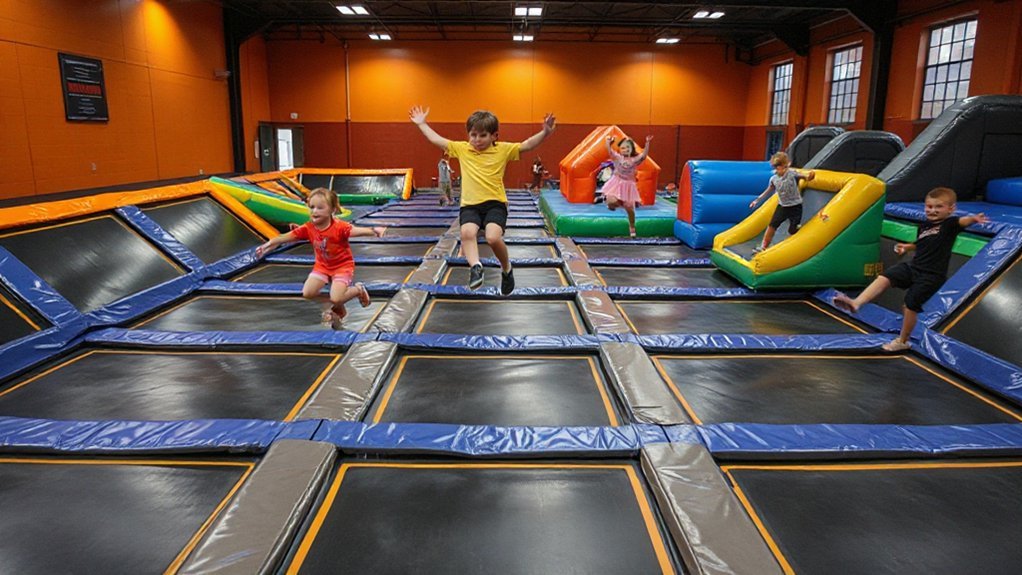
You’ll find Georgia’s children’s museums full of hands-on wonders that invite you and your child to explore, tinker, and learn through play. You’ll watch curiosity turn into confident problem solving as kids build, code, make art, and test ideas in safe, guided spaces. Staff guide without dictating, and programs fit toddlers to school groups. Pack snacks, plan for short bursts of focus, and relax into joyful experimentation—keep going to uncover tips, favorites, and program ideas.
Key Takeaways
- Georgia children’s museums prioritize hands-on, sensory-rich exhibits that make abstract STEM and art concepts tangible through play and experimentation.
- Facilitators act as guides, encouraging child-led exploration, gentle troubleshooting, and iterative problem-solving rather than prescribing outcomes.
- Typical interactive offerings include engineering challenges, coding/robotics stations, messy art maker-spaces, and short, school-aligned workshop modules.
- Museums extend access through mobile labs, school partnerships, free-admission days, and community outreach to broaden interactive learning opportunities.
- Practical visit tips: check low-sensory times, let kids lead short bursts, pack water/wipes/extra clothes, and choose nearby entrances.
Why Hands-On Museums Matter
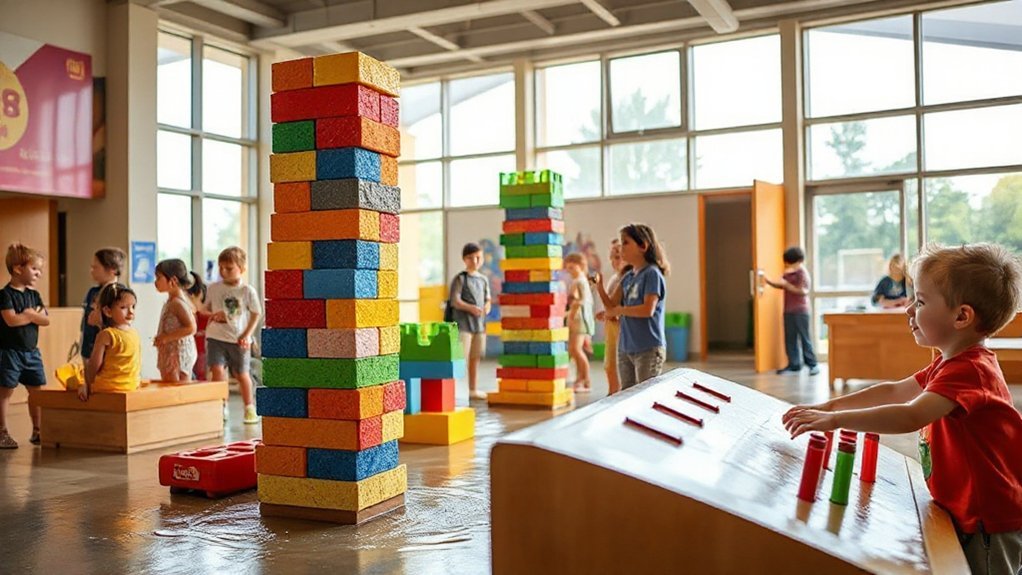
Why do hands-on museums matter? You learn by touching, building, and experimenting, and that freedom to explore shapes how you see the world. When you move through exhibits, Sensory Engagement grounds abstract ideas in real experience, and you come away confident and curious. Staff guide, not dictate, so you choose projects that match your pace and passion. In that space you practice problem solving, risk taking, and social play, all of which strengthen Emotional Resilience when challenges appear. You can test hypotheses, fail safely, and try again without fear. These places honor your independence and fuel lifelong learning, offering tools rather than answers. You leave with practical skills and a quieter courage to face unknowns. Hands-on museums aren’t just child’s play; they’re training grounds for free-thinking adults, giving you the permission to wonder, to tinker, and to grow. You’ll return home brimming with ideas and a bolder spirit.
Top Children’s Museums Across Georgia
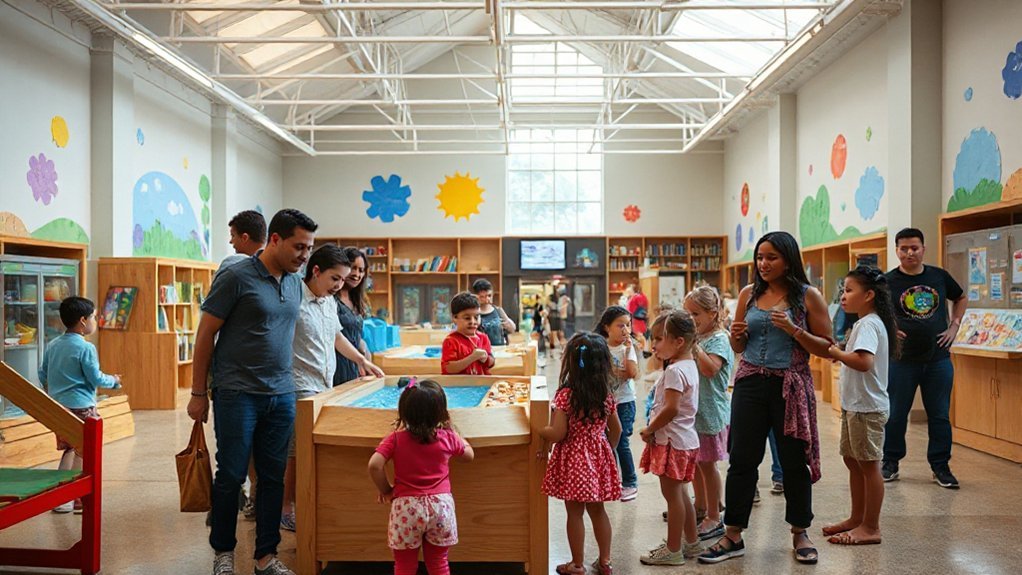
Across Georgia, a handful of children’s museums invite you and your family to learn by doing—hands-on exhibits, imaginative play spaces, and science labs where you’ll build, test, and collaborate at your own pace. Visit spots where play feels limitless: city centers with bright, open galleries, coastal venues embracing local culture, and neighborhood hubs focused on storytelling and art. You’ll appreciate Architectural Highlights that spark curiosity—skylights, kinetic facades, and adaptable rooms that change with each child’s idea. Use Museum Rankings as a guide, but follow your instincts; the best fit depends on your child’s interests and your need for space and freedom. Expect warm staff who listen, programs that honor diverse backgrounds, and practical amenities so you can stay longer. You’ll leave feeling encouraged, with new ways to explore together. Trust your choices, try a few locations, and make memories that let creativity lead the way and keep growing.
STEM-Focused Exhibits and Activities

You’ll find hands-on engineering challenges that let you build, test, and iterate real structures and machines, turning curiosity into confidence. Coding and robotics stations invite you to program simple bots and watch your ideas move, with friendly guidance nearby. These interactive STEM spots make learning playful and give you skills you’ll want to explore again.
Hands-On Engineering Challenges
Tinkering with gears, ramps, and simple circuits, kids at Georgia’s children’s museums turn curiosity into confidence as they tackle hands-on engineering challenges. You explore materials, test ideas, and practice iterative prototyping, learning that sketches and quick builds lead to better solutions. Staff guide without taking over, so you feel free to experiment and own discoveries. Each attempt teaches problem-solving and cultivates failure resilience, reframing setbacks as data. Try activities like:
- Build a marble run to study momentum and balance.
- Construct bridges from everyday supplies to test load limits.
- Design pulley systems to lift weights efficiently.
- Assemble simple electrical projects that light bulbs and buzzers.
You’ll leave energized, capable, and enthusiastic to try again. Come back and build bolder creations today.
Coding and Robotics Stations
How would you like to tell a robot what to do and watch it learn from you? You’ll step into coding and robotics stations that invite curiosity and choice, where simple blocks or text commands let you design behaviors, test ideas, and celebrate small victories. You’ll troubleshoot with gentle guidance, learn about Firmware updates that keep devices current, and practice real-world problem solving. Facilitators respect your pace, help you iterate, and make sure Safety protocols are clear so you feel secure while experimenting. You’ll gain skills that open up options like logic, sequencing, and creative debugging without feeling boxed in. These exhibits treat you as a maker with agency, sparking confidence to take projects beyond the museum into your own free play and bright future ahead.
Art, Creativity, and Maker Spaces

You’ll find hands-on art stations that invite you and your child to experiment with color, texture, and different materials. Collaborative maker projects let families and groups build, tinker, and solve problems together, turning ideas into tangible creations. These spaces encourage curiosity and confidence, so you can watch creativity grow as you make and connect.
Hands-on Art Stations
Painting, molding, and assembling found materials invites kids to explore ideas, take creative risks, and express themselves. You’ll find hands-on art stations that let you guide freedom-loving learners as they choose supplies, experiment, and reflect. Thoughtful materials sourcing keeps variety affordable and sustainable, and clear safety protocols protect curious hands without stifling play. Stations include prompts that spark imagination and let you step back while kids lead. Typical setups:
- Open painting wall with washable paints and aprons
- Clay table with tools and drying racks
- Reclaimed-material collage corner with organized bins
- Simple printmaking area with non-toxic inks
You’ll encourage problem-solving, fine motor skills, and confidence while honoring choice and discovery in every messy, joyful moment. You’ll celebrate curiosity and bold play.
Collaborative Maker Projects

Bringing kids together to build large-scale, collaborative maker projects sparks big ideas and shared ownership. You’ll watch creativity flourish when you encourage Peer Leadership and open Resource Sharing; you step back while kids negotiate roles, solve problems, and feel free to experiment. Set gentle guidance, flexible materials, and time for reflection so everyone contributes. These projects teach planning, empathy, and risk-taking, and they turn individual sparks into communal achievements. Use modular stations so groups swap tools and skills, and celebrate iterations rather than perfection. Below is a simple visual of project elements and outcomes:
| Element | Outcome |
|---|---|
| Materials & Tools | Shared skills |
| Peer Leadership | Confident makers |
| Resource Sharing | Efficient flow |
| Reflection Time | Improved designs |
You’ll leave spaces where curiosity leads and collaboration thrives every day.
Programs for Early Learners and School Groups
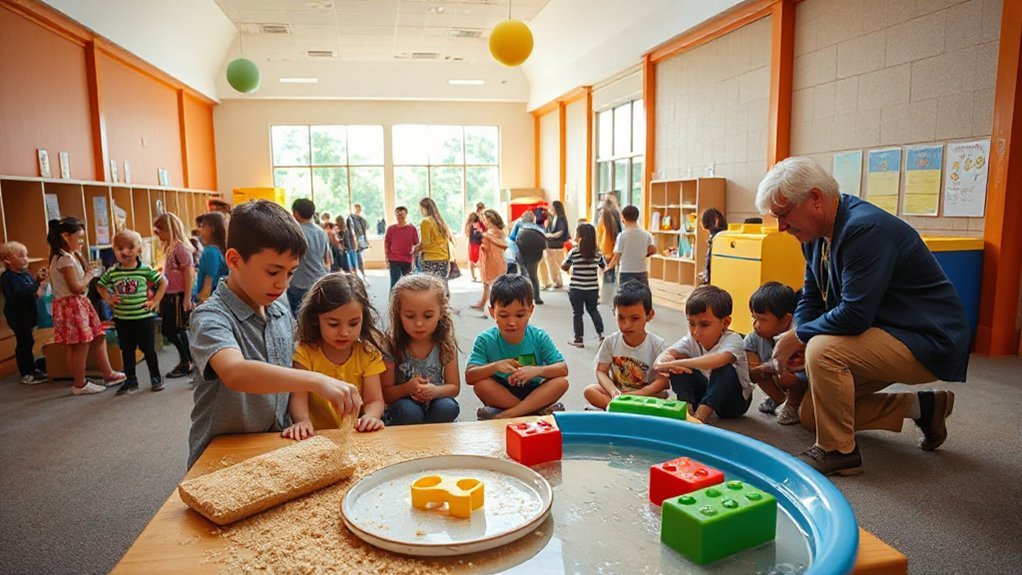
If you’re planning a field trip, you’ll find programs that make learning playful and accessible for preschoolers and school groups—hands-on stations, storytimes, and short, structured workshops that build curiosity, social skills, and early STEM thinking. You and your group will enjoy sensory storytelling sessions that engage touch, sound, and movement, plus teacher workshops that share easy, adaptable activities. Staff guide small groups so kids explore at their own pace and you feel supported. Expect flexible modules that respect classroom goals and adventurous spirits.
- Cozy story circle with tactile props and movement prompts.
- Mini STEM challenges using simple materials to spark invention.
- Art-and-play stations encouraging independent choice and collaboration.
- Short educator-led reflections to extend learning back at school.
These programs free exploration, foster confidence, and make planning simple so everyone leaves inspired. You’ll return with fresh ideas and joyful classroom energy always.
Visiting Tips for Families and Caregivers

When you plan your visit, think about rhythms—arrive early to beat crowds, time outings around naps and meals, and check hours and program schedules so you don’t miss special sessions. You’ll feel calmer if you map parking strategies ahead, note entrances nearest exhibits, and pick a meeting spot in case little ones wander. Pack light: a small bag with water, wipes, a change of clothes, and easy snacks you’ve chosen with snack planning in mind—avoid sticky treats that limit play. Let kids lead exploration for short bursts, then pause to reflect; freedom to choose builds curiosity and cooperation. Use outdoor spaces when energy spikes and rotate exhibits to keep interest fresh. If you need quiet, ask staff for low-sensory times or spaces. Trust your instincts, set simple boundaries, and savor the small discoveries—those moments stick long after you leave the museum. Celebrate curiosity; it’s the real souvenir daily.
Community Partnerships and Outreach
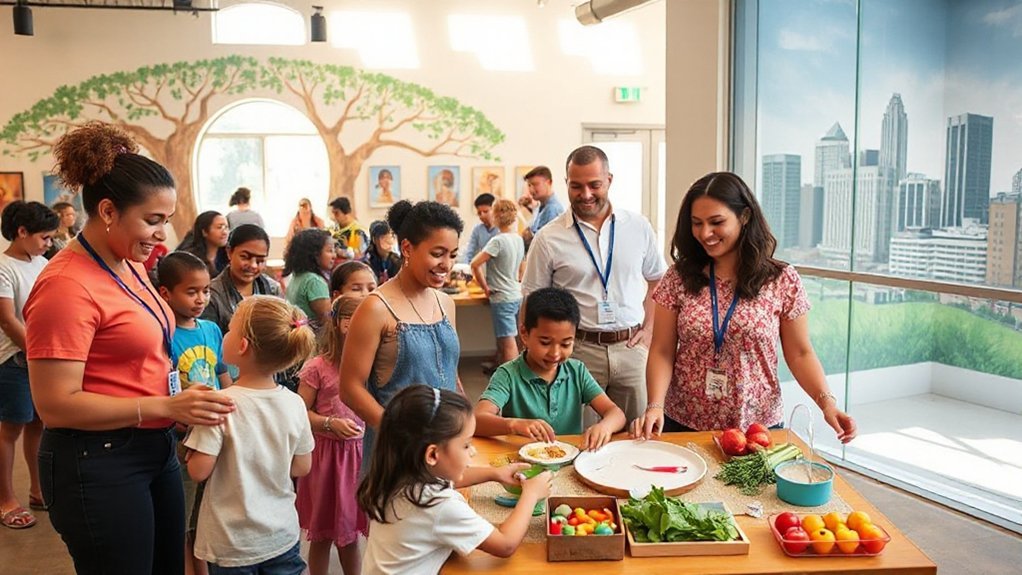
Through partnerships with schools, libraries, and neighborhood organizations, children’s museums reach kids where they are and make learning feel everyday. You can see how community partnerships and outreach expand access, bringing hands-on exhibits and pop-up programs to parks, classrooms, and shelters. Volunteer Networks invite you to lend time and talents, while Corporate Sponsorships fund mobile labs and free admissions. You’ll notice programs that honor curiosity and choice, letting families explore at their own pace.
Children’s museums partner with schools, libraries, and volunteers to bring hands-on, choice-driven learning to communities.
- Mobile outreach vans bringing science kits and story hours.
- School partnerships aligning exhibits with classroom goals.
- Free admission days sponsored by businesses and foundations.
- Volunteer-led workshops building skills and confidence.
These efforts create options rather than limits, so you and your kids can pursue wonder freely. When museums meet communities where they live, you gain experiences that empower, connect, and celebrate discovery. You’ll feel welcomed, inspired, and ready to explore.
Frequently Asked Questions
Do Any Georgia Children’s Museums Offer Volunteer or Internship Opportunities for Teens?
Yes, many Georgia children’s museums offer teen volunteer and internship roles that let you explore interests and build skills. You’ll get Career Exploration through hands-on activities, mentorship, and sometimes Project Leadership chances to run exhibits or programs. You’ll gain independence, confidence, and real-world experience while contributing to your community. Reach out to museums nearby, ask about teen programs, schedules, and application steps—you’ll find opportunities that fit your curiosity and freedom.
Can I Donate Items or Funds and Receive a Tax-Deduction Receipt?
Yes, you can donate items or funds and receive Donation Receipts for tax deductions; it’s a small lighthouse guiding your generosity. You’ll get a receipt for monetary gifts, and for non-cash donations you’ll follow Appraisal Requirements if the value exceeds IRS thresholds. We’ll help you with forms, acknowledge your gift, and respect your independence, so you can give freely, feel proud, and know your contribution matters and receive gratitude too.
Are Service Animals or Pets Allowed Inside Exhibits?
Yes, service animals are welcome in exhibits, but pets aren’t; you’ll need to follow vaccination requirements and behavior standards to protect everyone. We’ll support your access while honoring other families’ comfort and safety. If your service animal needs space or breaks, let staff know and we’ll accommodate you. By respecting rules and each other, you’ll help keep the museum open, joyful, and free for all to explore every visit possible.
Do Museums Provide Online Virtual Tours or Remote Learning Resources?
A picture is worth a thousand words, and you’ll find that many museums do offer virtual exhibits and remote learning options. You can explore interactive galleries, join live webinars, download activity packs, tap into on-demand videos that spark curiosity. You’ll feel supported no matter where you are, and you can choose how and when to engage. These resources free you to learn at your own pace and keep wonder close.
Is There Accessible Parking and Accommodations for Visitors With Disabilities?
Yes, you’ll find accessible parking and thoughtful accommodations so you can explore freely. You’ll enter through Accessible Entrances designed for independence, and staff’ll help with ramps, elevators, and seating. Many sites offer Sensory Rooms and quiet zones to support varied needs, and teams will work with you to plan visits. You’ll feel respected and empowered—reach out ahead for specific access details and any personalized arrangements. They’ll gladly support your freedom.
Conclusion
You’ll leave Georgia’s children’s museums feeling inspired and ready to explore more—each visit sparks curiosity and builds confidence in your child. You’ll watch them tinker, create, and problem-solve in safe, welcoming spaces that meet you where you are. Use these museums as launchpads for learning, community, and joy; they’re gardens where young minds take root and grow. Keep following their questions, celebrate small victories, and enjoy the adventure together every single step along the way.