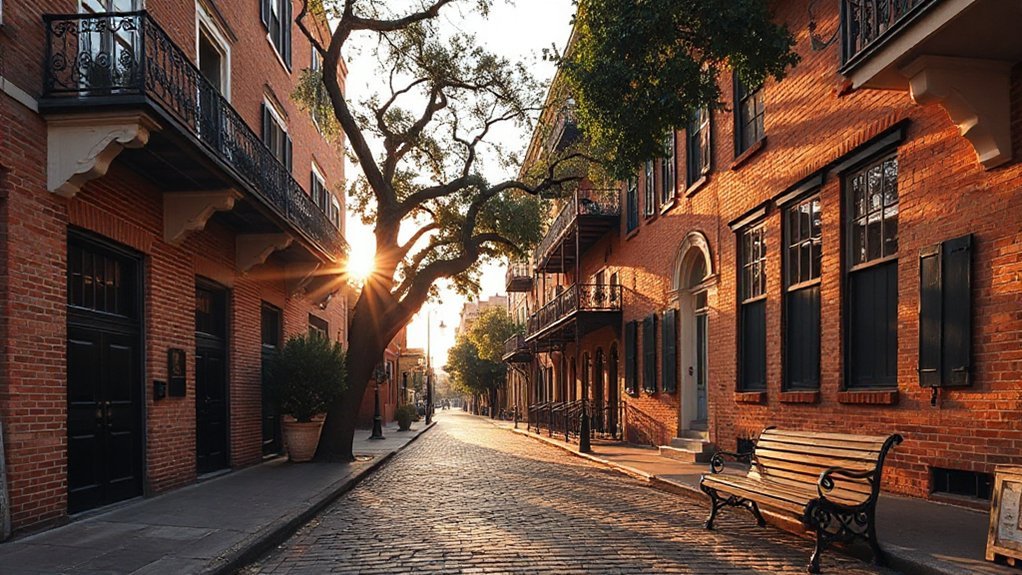
You’ll find Georgia’s history alive in Savannah’s moss-draped squares, Atlanta’s Martin Luther King Jr. National Historical Park, Civil War battlefields, and honest tours of antebellum plantations that center Black voices. Coastal forts, lighthouses, shipwrecks, freedmen schools, and Black cemeteries offer quiet reflection. Local guides and descendant‑led programs help you listen, learn, and act. Visit with respect, take your time, and you’ll leave moved—and keen to uncover more practical tips, routes, and responsible ways to engage.
Key Takeaways
- Explore Savannah Historic District’s shaded squares, preserved facades, and cobblestone streets for paced, reflective architectural and cultural immersion.
- Visit Martin Luther King Jr. National Historical Park: Birth Home tours, Ebenezer Baptist Church, and visitor center exhibits honoring civil rights legacy.
- Walk Civil War battlefields and antebellum plantations with ranger interpretation, truthful slavery-focused narratives, and trails connecting past to present.
- Explore coastal maritime sites like Fort Pulaski, lighthouses, and shipwrecks linking military history, ecology, and sea-faring stories.
- Seek African American heritage sites, freedmen schools, black cemeteries, community-led tours, and off-the-beaten-path gems that honor resilience.
Savannah Historic District
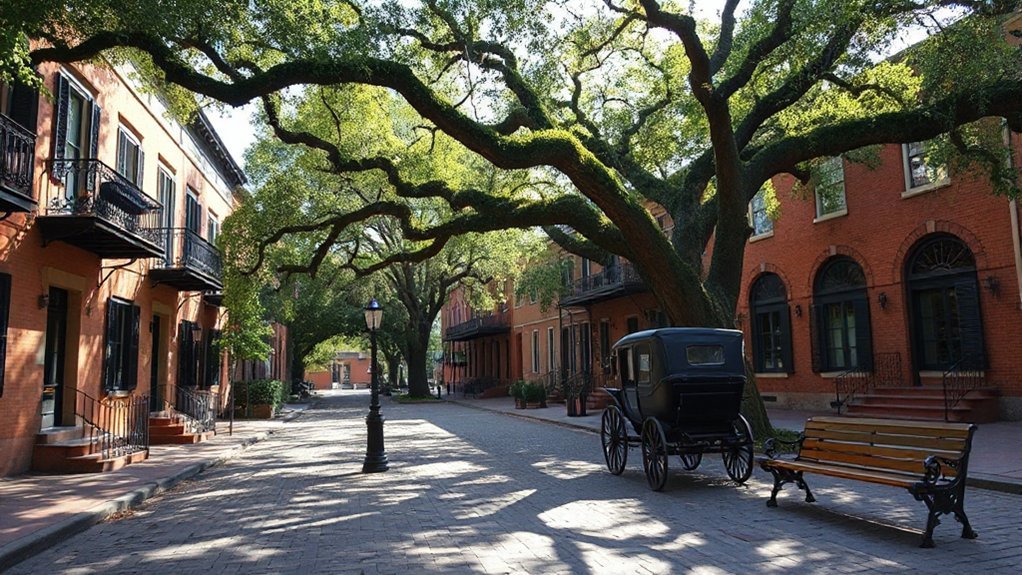
Walk the shaded squares of the Savannah Historic District and you’ll feel history settle around you like Spanish moss—quiet, layered, and unexpectedly alive. You wander cobblestone streets, and you notice how architectural preservation has kept memory and possibility side by side. You’ll linger at fountains, read plaques, and let the grid of historic squares guide your steps; each square offers a moment to breathe and choose your pace. You’ll meet facades that speak of resilience, porches that invited conversation, and lanes that reward curiosity. You’re free to roam, to imagine lives lived here, to claim stillness or movement as you need. This district doesn’t freeze time—it frames it, so you can learn without pressure and leave with a lighter sense of belonging. If you hunger for places that honor past and invite future, Savannah opens like a map you get to redraw and make it wholly your own.
Martin Luther King Jr. National Historical Park (Atlanta)
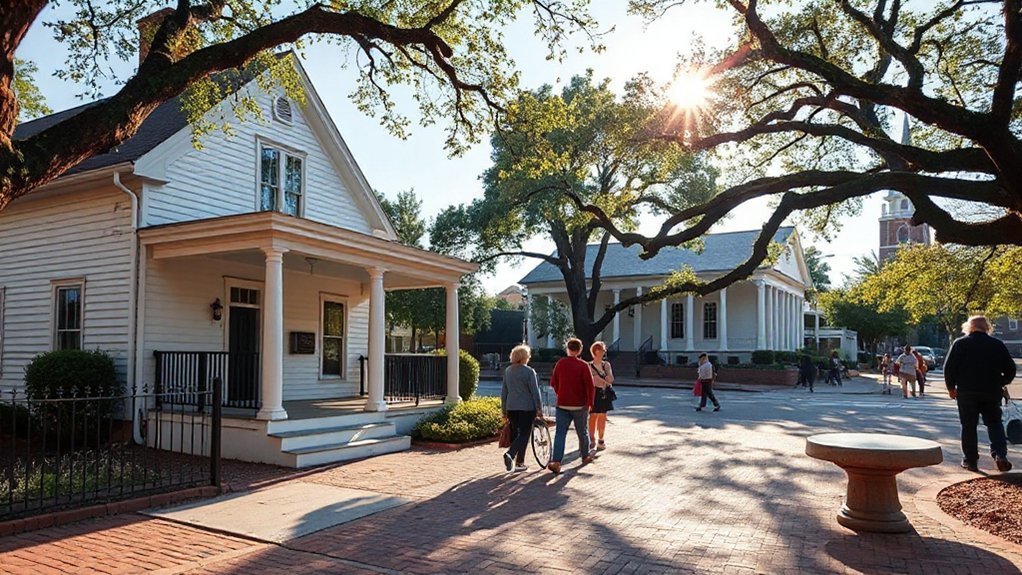
When you visit the Martin Luther King Jr. National Historical Park in Atlanta, you’ll stand in his modest birth home and sense the start of a remarkable journey. You can join a guided Birth Home Tour, sit in Ebenezer Baptist Church where he preached, and let the quiet power of those places settle in. You’ll find the Visitor Center exhibits—documents, recordings, and curated context—bringing his life and work into sharper focus today.
Birth Home Tour
Standing on Auburn Avenue, you’ll see the modest two-story house where Martin Luther King Jr. was born and get a tangible sense of the family’s everyday life. When you step inside on a guided Birth Home Tour, you feel the ordinary warmth that shaped an extraordinary leader. The park uses Preservation Techniques to protect original rooms and furnishings, and offers Virtual Tours if you can’t visit. You’ll learn quietly, reflect deeply, and leave with renewed resolve.
- See authentic rooms preserved with care.
- Hear stories of childhood courage and community.
- Use Virtual Tours for distant access.
- Respect the space; it’s both historic and sacred.
The tour invites you to honor freedom’s roots and carry hope forward, today.
Ebenezer Baptist Church
Sanctuary and sermon converge at Ebenezer Baptist Church, where you’ll feel the echoes of Martin Luther King Jr.’s preaching and the congregation that sustained his work; the simple pews and pulpit still speak to faith, community action, and the courage that fueled the civil rights movement. When you step inside, you won’t just see history—you’ll sense a living commitment to justice: sunlit Stained Glass filters color across worn floors, while plaques and photos remind you of sacrifices made here. The Choir Legacy resonates in recorded hymns and memory, lifting spirits and calling you to join the pursuit of freedom. You’ll leave grounded, inspired to act, carrying a quiet responsibility to honor the church’s witness. Return often to renew your resolve and share its lessons.
Visitor Center Exhibits
How do the Visitor Center exhibits make Dr. King’s life and legacy accessible to you? You’ll find thoughtful displays that invite reflection and action. The interpretive signage explains context clearly, and multimedia stations let you hear speeches and see photos. Staff and volunteers welcome questions, so you won’t feel lost. The center emphasizes dignity and freedom, and includes strong accessibility features so every visitor can engage.
- Timeline panels that orient you.
- Audio stations for his sermons.
- Interactive maps showing movements.
- Quiet spaces for reflection.
You’ll leave inspired, informed, and ready to carry forward the values of justice and liberty. You can connect personal responsibility to public change as you walk through each exhibit. Bring questions, leave committed to action daily.
Civil War Battlefields and Sites
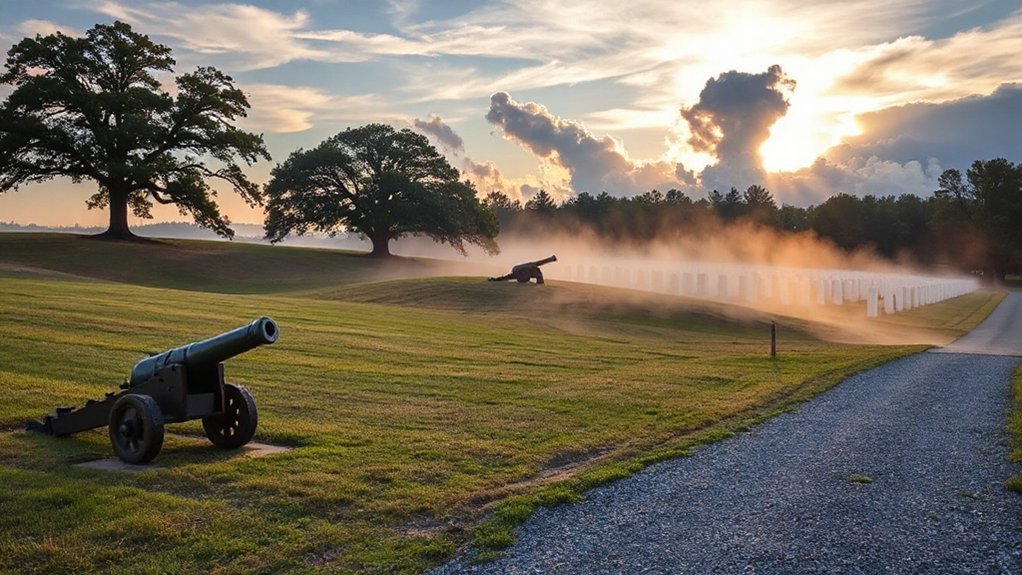
When you walk the rolling fields and shaded lanes of Georgia’s Civil War sites, you’ll feel the weight of history and the courage of those who lived through it. You stand where soldiers charted Troop Movements across creeks and ridges, imagining choices that shaped lives and liberty. These battlefields invite you to reflect, honor sacrifice, and seek understanding rather than triumphalism. Park rangers and volunteers share stories, maps, and markers, helping you trace lines on the landscape. You can follow trails, read interpretive panels, and attend living-history events that bring context and humanity to every step. Preservation Challenges persist—development pressures, erosion, budget limits—but community advocates keep fighting to protect open space so future generations can experience this history more freely. Your visit supports that work: listen closely, tread lightly, and carry away renewed respect for resilience, courage, and the ongoing quest for freedom that echoes through these fields.
Antebellum Plantations and Mansions
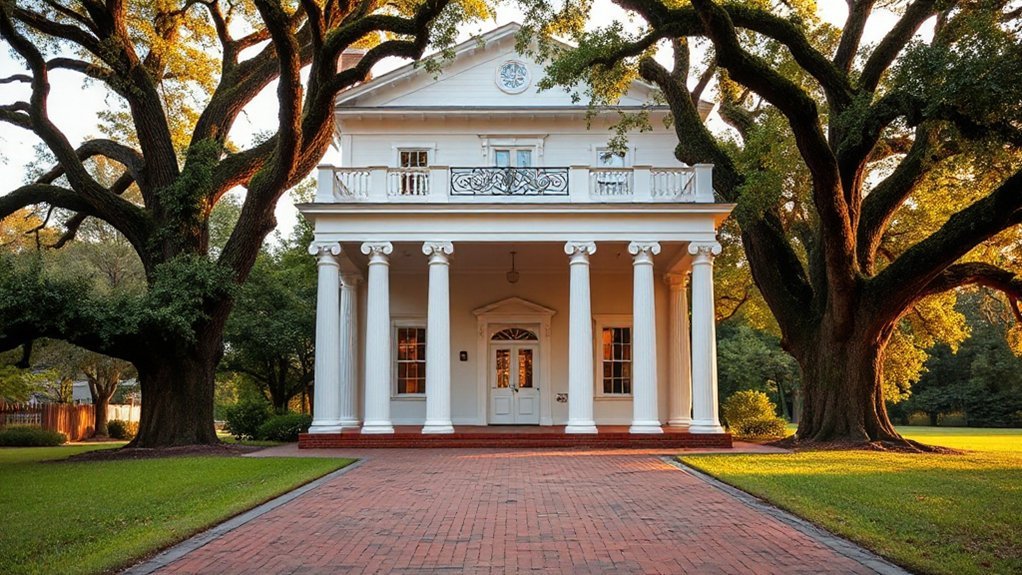
Although their grand porches and towering columns may draw you in, these antebellum plantations and mansions also demand that you reckon with the lives built and broken on the land, including the forced labor and lasting injustices that made such wealth possible. You’ll find Greek Revival facades, sweeping staircases and stories that ask you to listen, learn and act. Visit with curiosity, honor those who suffered, and support museums that center Black narratives. Architectural preservation efforts can protect structures while interpreting truth, not hiding it. Consider these ways to engage:
- Take guided tours led by descendant communities.
- Support preservation funds that prioritize inclusive storytelling.
- Read firsthand accounts and plantation records.
- Participate in programs that teach emancipation and resistance.

Walking these grounds can be moving and motivating; you’ll leave more informed and committed to freedom, justice and a future that truthfully remembers the past. Bring questions, compassion and action.
Coastal Forts and Maritime History
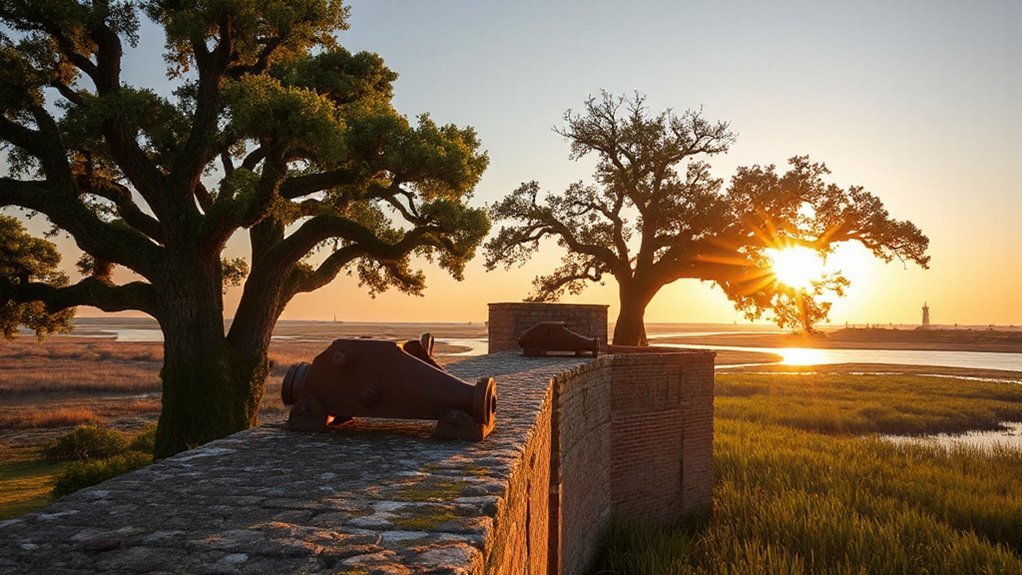
When you visit Georgia’s coast, you’ll see how Fort Pulaski National Monument reveals the power and resilience of coastal defenses. You’ll picture sailors steering by lighthouses while shipwrecks lie like silent stories beneath the waves. These sites invite you to connect with maritime history and reflect on how the sea shaped lives here.
Fort Pulaski National Monument
Stone walls on Cockspur Island still frame the marshes and remind you that Fort Pulaski changed military history forever. You’ll feel the weight of freedom and innovation as you walk ramparts where rifled cannon proved masonry conservation and modern firepower could collide. The park blends Saltmarsh ecology with human stories, so you can reflect on resilience and renewal. Visit with intent; each detail invites connection:
- Walk the walls to imagine battles fought.
- Watch tides shaping the saltmarsh and life it supports.
- Learn masonry conservation techniques preserving brick and memory.
- Join ranger talks to hear firsthand accounts of courage.
You’ll leave buoyed, knowing preservation keeps history accessible and freedom’s lessons alive. You can return often to witness ongoing care and feel the continuity of liberty.
Shipwrecks and Lighthouses
While you walk Georgia’s shorelines, shipwrecks and lighthouses become living lessons—silent hulls and steadfast towers that tell stories of storms, navigation, and the coastal forts that once guarded these waters. You’ll stand where timber ribs rest below the surf and imagine crews fighting for each breath; you’ll climb lantern rooms and feel the weight of guidance those lights provided. Interpretive trails and museums make history accessible, and designated Diver Access points invite respectful exploration for certified visitors. Local guides share Lightkeeper Legends by lantern-light, blending fact with human grit so you understand sacrifice and skill. These sites invite you to claim a moment of freedom—reflecting on bravery, perseverance, and the sea’s stubborn, humbling beauty. Take your time; history here frees your curiosity and spirit.
African American Heritage Sites Across Georgia
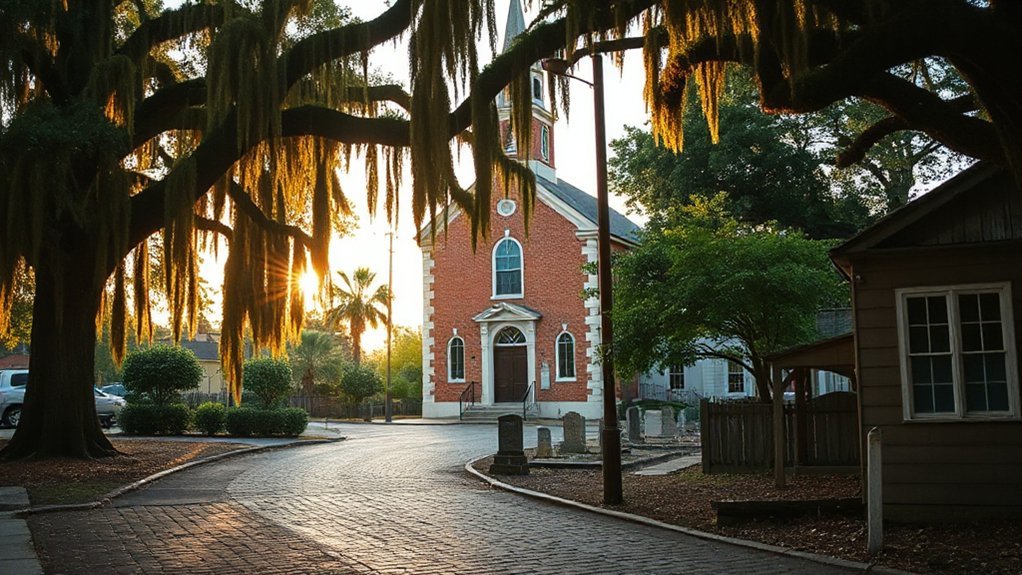
Because these places hold stories of struggle and triumph, you’ll feel both grounded and inspired as you explore African American heritage sites across Georgia. You’ll encounter Freedmen schools, Black cemeteries and sites of resilience that honor ancestors and fuel your longing for liberty. Visit museums and preserved homes where voices rise again; you’ll listen, learn, and carry those lessons forward.
- Visit restored schools to see classrooms where hope was taught and freedom was imagined.
- Walk through Black cemeteries with respect, reading headstones that map family histories and resistance.
- Explore museums that center Black ingenuity and civil rights victories, offering practical guides to activism.
- Attend community-led tours and events that connect you to living traditions and ongoing struggles for justice.
You’ll leave these places changed—motivated to protect freedoms and to share stories so the next generation can stand taller. Honor them by keeping history alive.
Off-the-Beaten-Path Historic Gems
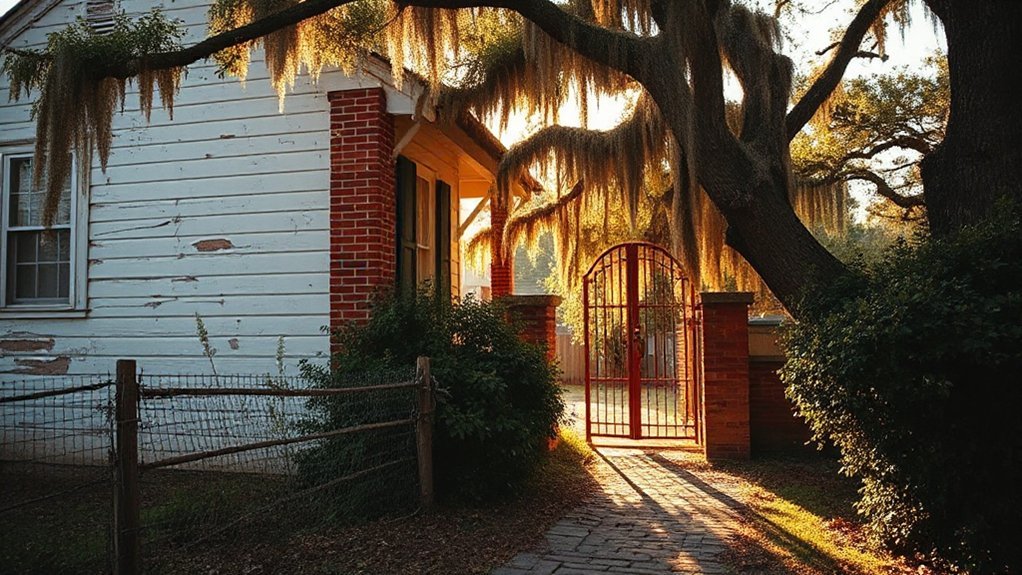
When you step off the familiar trail, Georgia reveals quiet historic gems—little-known churches, roadside markers, and hidden homesteads—that whisper local stories and invite you to listen. You’ll find relics tucked along back roads: decaying Textile Milltowns where generations labored, community halls that still hold dances, and old general stores with ledger tales. Walk gently through these spaces; they honor everyday courage and resourcefulness. Hunt for small cemeteries, tucked murals, and rusted Moonshine Stills that hint at stubborn independence. Locals love to share memories when you ask with respect, and those conversations reveal maps you’ll won’t see in guidebooks. Bring curiosity, a camera, and a patient pace—leave things as you found them. These places reward open minds and free spirits, reminding you that history isn’t only grand monuments but lived moments waiting to broaden how you see Georgia. Go respectfully, and let each site reshape your sense of belonging.
Frequently Asked Questions
Are Historic Sites Wheelchair Accessible?
Yes, you’ll find many historic sites offer wheelchair access, though it varies by location and era. You’ll want to check ramp availability and guided-entry options in advance. Staff usually help with curb cuts and portable lifts, and you’ll appreciate improved restroom accessibility at larger sites. Don’t be discouraged by older buildings; you’ll often discover adaptable routes and welcoming teams committed to giving you the freedom to explore history fully today.
Can I Bring Pets Into Historic Homes and Museums?
Usually you can’t bring pets into historic homes and museums, though service animals are allowed. If you’re traveling with a companion animal, check sites’ policies and ask about on-site pet sitting options or nearby kennels. Look for pet friendly events or outdoor areas that welcome leashed pets. I know leaving a pet behind can feel hard; planning ahead lets you explore freely while your pet stays safe and cared for.
Are Guided Tour Reservations Required During Peak Season?
Yes, during peak season many sites require reservations, and about 65% of popular historic properties use timed entry to manage crowds. You’ll feel relieved knowing you can book in advance, and you can also request private tours for a more personal experience. Don’t hesitate to plan ahead; it preserves your freedom to wander without stress. Book early, stay flexible, and savor the stories you’ll uncover and enjoy more spontaneous discoveries.
Is Photography Allowed Inside Preserved Historic Buildings?
Yes, you can usually take photos inside preserved historic buildings, but you’ll want to respect flash restrictions and tripod policies that protect fragile interiors. We understand you crave freedom to capture memories, and staff often allow handheld shooting; they’ll explain limits on lighting, stands, or commercial use. Ask politely, follow signs, and you’ll often be granted access to frame scenes that inspire and more deeply connect you to the past.
Are There Combined Tickets or Discounts for Multiple Sites?
Get more bang for your buck — yes, there are combined tickets and discounts. You can buy Regional passes to save on multiple sites, and museums often offer Membership perks that cut or waive fees. You’ll feel free to explore without tight budgets, and staff can point you to seasonal bundles, family deals, or partner-site discounts. Ask ahead and plan; you’ll stretch your travel dollars and savor every historic stop.
Conclusion
You’ll find history whispering in Savannah’s cobblestones and shouting from battlefield ridges, and that contrast will move you. You’ll stand where joy and struggle met—magnificent mansions beside stories of resilience—and you’ll feel small and powerful at once. Let these sites teach you patience and courage: visit with curiosity, listen with respect, and bring compassion. In returning home, you’ll carry both the weight of memory and the light of renewed purpose and share those lessons widely.