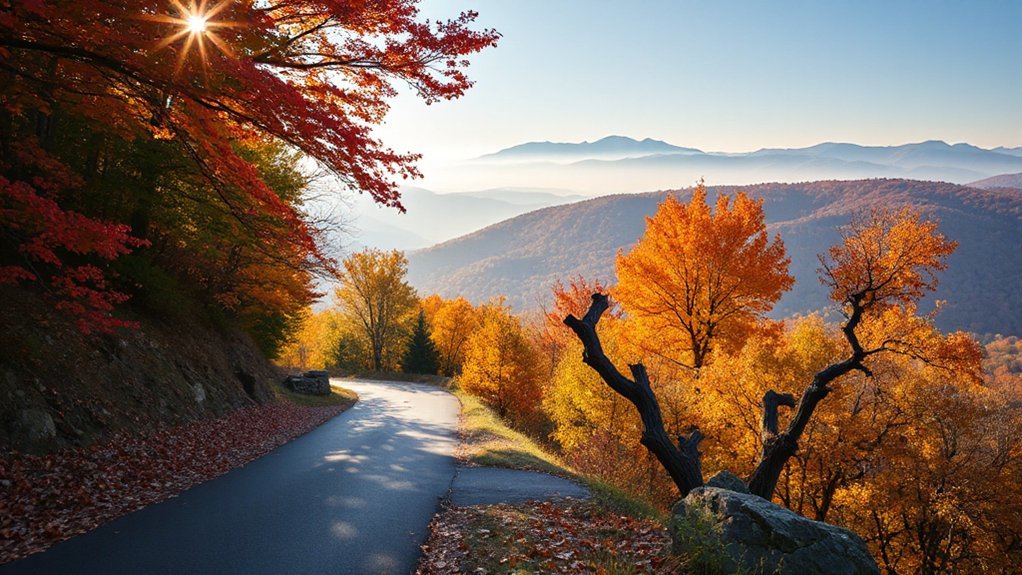
You’ll find Georgia’s wildflower season unfolding from coast to crest: coastal islands burst in March–April, Piedmont meadows, foothills glow in late April–May, and Blue Ridge balds and high meadows peak into June–July. Look for trilliums beneath beech, azaleas on ridgelines, and prairie blazing stars in the southwest. Follow temperatures, recent rains, and microclimates to time visits, tread lightly, and let curiosity lead you — keep going and you’ll uncover more tips for where to go.
Key Takeaways
- Peak wildflower timing: Coastal Plain March–April, Piedmont late April–May, mountains May–July, with a fall secondary bloom in September–October.
- Top mountain spots: Blue Ridge and North Georgia meadows, ridge-top trails, and high-elevation balds for late-season asters and gentians.
- Foothills and canyons: Dahlonega, Chestatee, Cloudland Canyon, and Providence Canyon offer spring displays, canyon-ledges, and prairie-adapted species.
- Coastal islands: Jekyll, St. Simons, and Cumberland show dune, maritime forest, and salt-air blooms—best in early spring.
- Responsible viewing: Stay on trails, don’t pick plants, respect pollinators, and use recent temperature and rain data to time visits.
Timing Your Visit: Peak Bloom Windows by Region
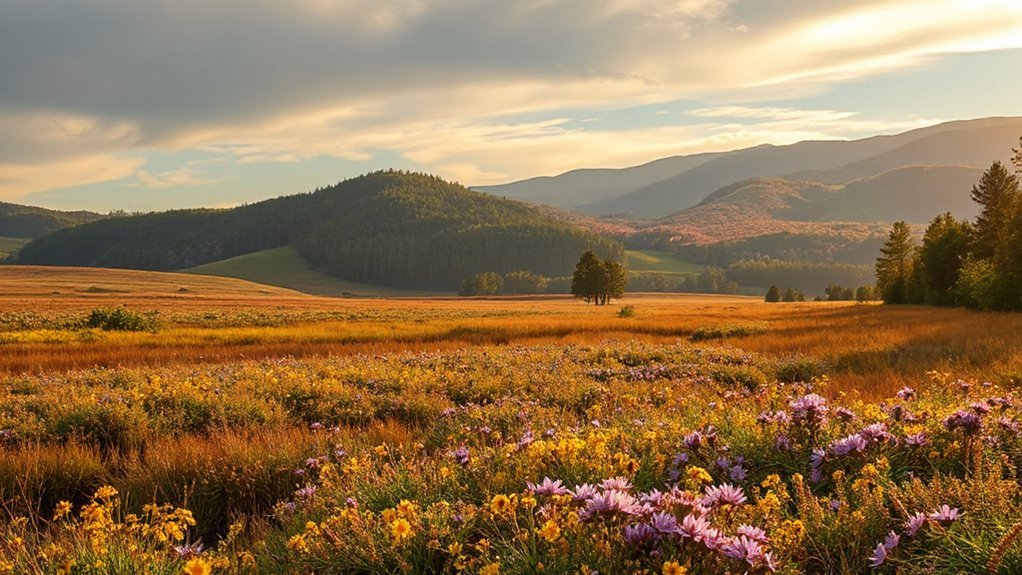
In spring and summer, Georgia’s wildflower calendar unfolds region by region, and if you plan your trip around those peak windows you’ll catch the best displays: the Coastal Plain lights up earliest (March–April) with azaleas and carpeted wildflowers, the Piedmont follows in late April to May with showy lupines and coneflowers, and the mountains bloom later—peaking from May into July at higher elevations with rhododendron and mountain laurels, plus a second, gentler chorus of asters and goldenrods in fall (September–October). You can use simple bloom forecasting—tracking temperatures and recent rains—to fine-tune dates, and you’ll find that flexibility rewards you with quieter trails. Aim for weekday mornings, shoulder weeks, or less-known preserves to practice effective crowd avoidance while keeping the spirit of exploration. Pack light, leave no trace, and trust the rhythms you observe; nature’s timing varies, and being patient lets you claim those wide-open, floral moments and roam.
Blue Ridge and the North Georgia Mountains
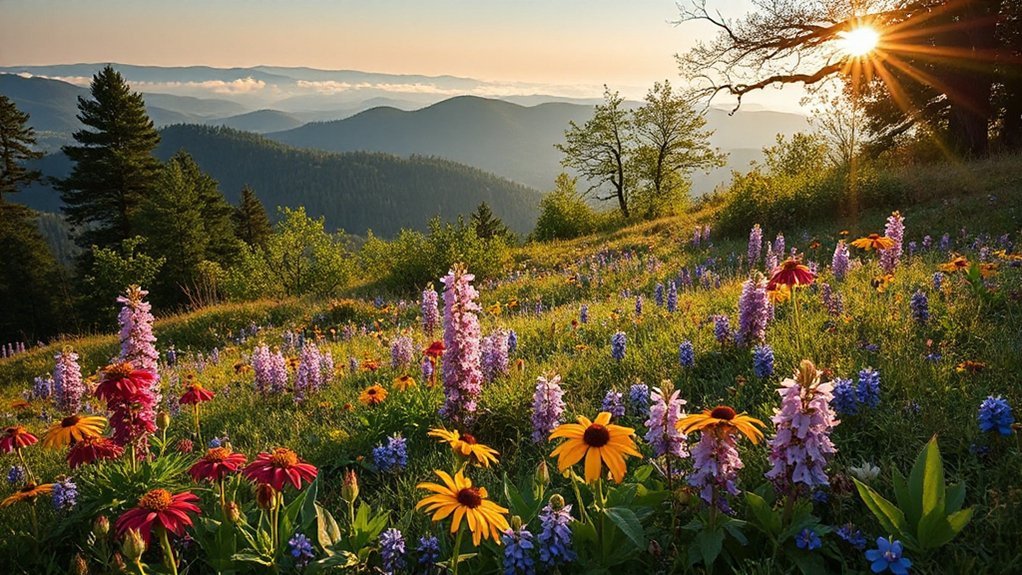
In the Blue Ridge and North Georgia Mountains you’ll find spring blooms spilling along winding trails that reward your hikes with sudden bursts of color. At higher elevations, open meadows host late-blooming asters and mountain gentians that make the summit feel like a wildflower cathedral. Pay attention to elevation—lower valleys peak in early spring while ridge-top meadows often don’t flower until mid to late summer, so plan your visit to match the habitat you want to see.
Spring Blooms Along Trails
Come spring, you’ll notice the trails of Blue Ridge and the North Georgia Mountains come alive with color, scent, and a quiet insistence to slow down and look closer. You’ll walk winding paths where trilliums and phlox edge the footway, and you’ll witness pollinator interactions that remind you how connected everything is. Stay mindful of trailside stewardship—leave no trace, step lightly, and let fragile patches be. The trail opens a doorway to freedom, breathing room to wander and wonder. Let these moments settle into you:
- A bee pauses, golden and urgent.
- A carpet of bluebells whispers beneath your boots.
- Sunlight filters through new leaves.
- Your heartbeat syncs with the mountain’s calm.
- You breathe, unburdened, and keep walking.
You choose this path; it chooses you.
High-Elevation Wildflower Meadows
Beyond the shaded trails, high-elevation meadows on the Blue Ridge and North Georgia ridgelines open into wide, sunlit rooms where you can breathe deeper and really see: stands of fire pink, mountain laurel rims, and swaths of goldenrod ripple with every breeze, and pollinators stitch the scene together. When you step into that light, you feel free — a place where color and wind untie the everyday. You’ll notice insects busily connecting flowers into resilient pollinator networks, and you can watch how simple choices protect those links. Rangers and volunteers use thoughtful restoration techniques to revive native grasses and remove invasives, and you can join or support them. These meadows welcome curiosity, quiet, and action; they reward you with wild, unguarded beauty and freedom.
Bloom Timing by Elevation
As you climb the Blue Ridge, blooms keep their own calendar: lower slopes warm early and green up by late March into April, mid-elevations follow through April and May, and the highest balds and ridgelines usually don’t peak until late May into June — sometimes stretching into July depending on snow and spring temps. You watch shifts and learn patience; Microclimate effects nudge pockets of color ahead of schedule or hold them back, and Phenology models help predict the bloom window so you can chase freedom and bloom-rich vistas. Trust your feet, not just forecasts. Let this guide encourage you to wander when the mountains call, noticing small signs and savoring wild, fleeting color.
- Morning hush
- Ridge wind
- First violet
- Color sweep
- Quiet peace
Dahlonega Foothills and Chestatee Wildlife Areas
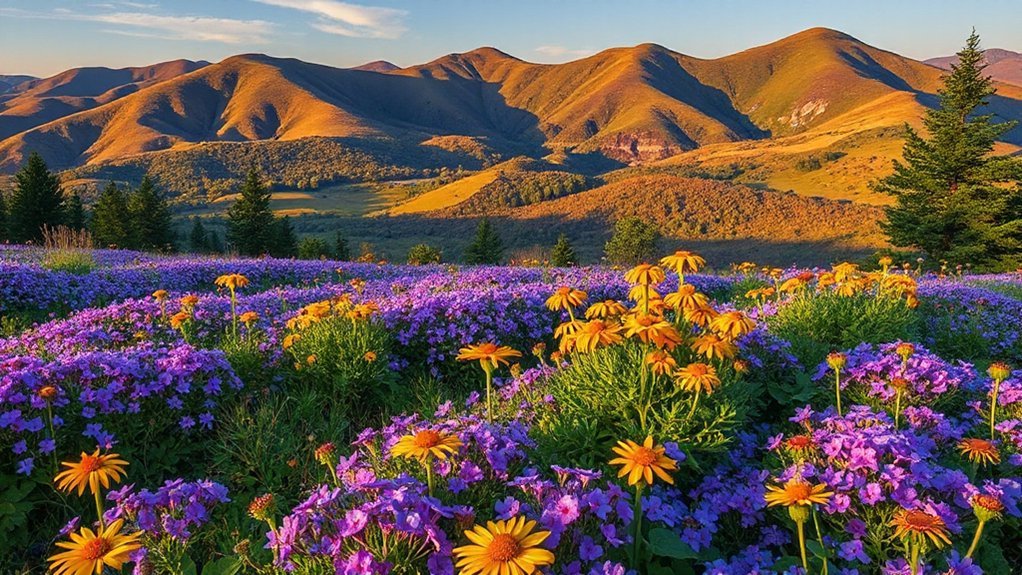
Nestled in the rolling foothills north of Dahlonega, the Dahlonega Foothills and Chestatee Wildlife Areas invite you to slow down and notice the small wonders—blankets of bluebonnets, fiery Indian paintbrush, and delicate trilliums that color the trails each season. You can wander former mining roads and feel the area’s mining heritage underfoot, imagining prospectors while enjoying open skies and a sense of escape. Trails weave through hardwoods and sunny meadows, giving you space to breathe and a chance to catch songbirds flitting among blooms—these are true birding hotspots, so bring binoculars. Whether you hike alone or with friends, you’ll find quiet overlooks and solitary moments that refill your energy. Leave your schedule behind, follow the scent of spring, and let the landscape guide you. Pack water, tread lightly, and savor the freedom of wide Georgia skies and wildflower-dotted paths. Check seasonal guidelines and respect wildlife for lasting enjoyment.
Cloudland Canyon and Northwest Georgia Canyons
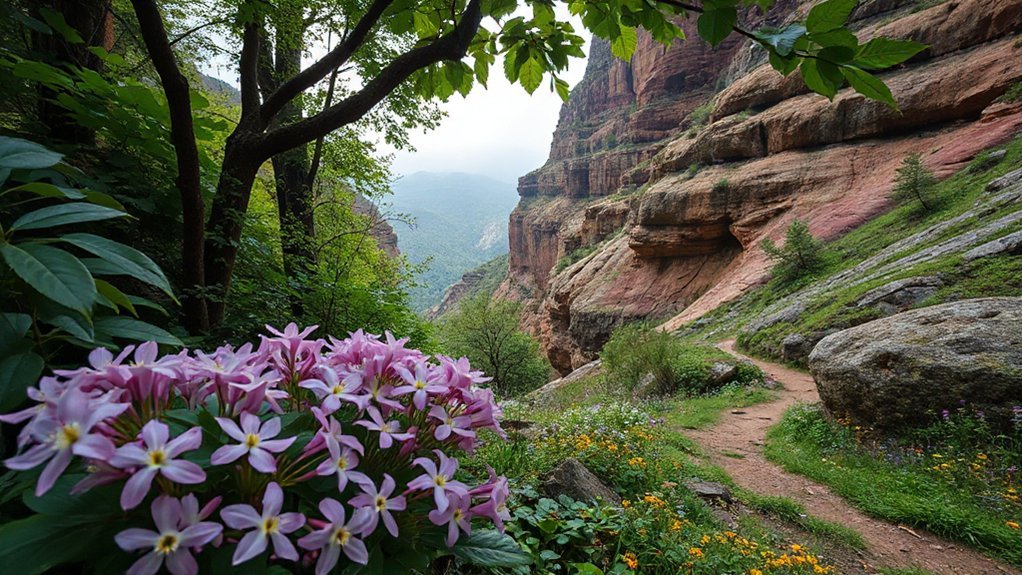
Cloudland Canyon greets you with sheer bluffs, fern-lined ravines, and trails that drop toward rushing waterfalls—places that make you slow down and notice the small, bright blooms clinging to rocky ledges. You’ll feel a hush here; canyon geology tells stories in layered stone, and those tales frame sprays of wildflowers in crevices where life insists. Walk deliberately, breathe freely, and let the light coax color from moss and petal. If you love waterfall photography, you’ll find compositions that pair motion with delicate foreground blooms, giving each shot a wild, free spirit. The Northwest Georgia canyons reward curiosity and patience, and you’ll leave lighter, inspired to roam.
- You’ll gasp at unexpected color.
- You’ll touch cool stone and smile.
- You’ll frame nature’s hush in a photo.
- You’ll find small treasures in cracks.
- You’ll feel unburdened and brave.
Come ready to wander and reclaim your joy.
Providence Canyon and Southwest Georgia Prairies
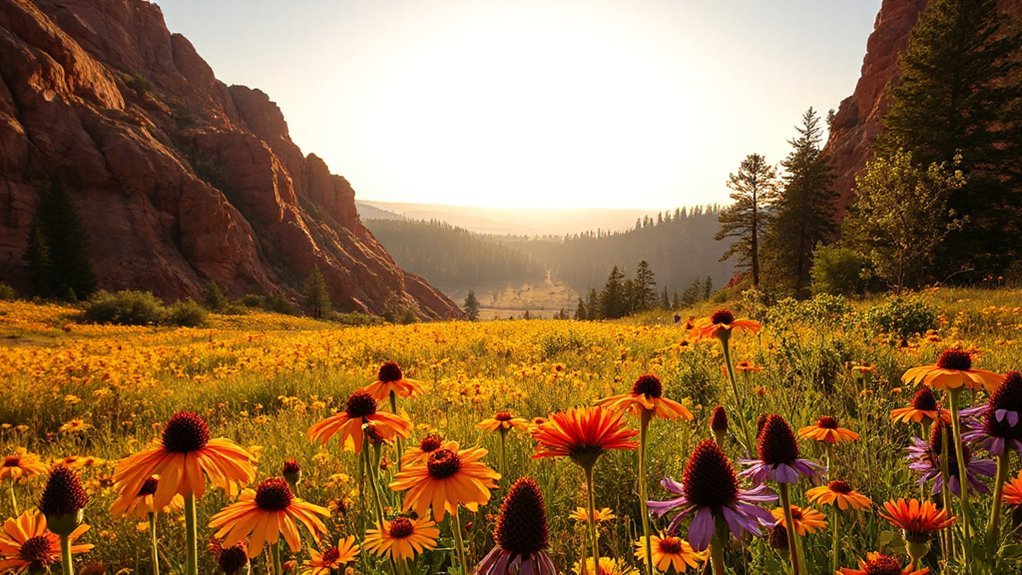
When you visit Providence Canyon, you’ll see striking wildflowers painted against the canyon’s clay walls, a surprising palette that rewards curiosity. Out in Southwest Georgia, prairie wildflower hotspots burst with native grasses and colorful blooms that sway in the breeze. You won’t just photograph them—you’ll feel how these fragile communities connect history, soil, and seasons, and you’ll want to help protect them.
Providence Canyon Wildflowers
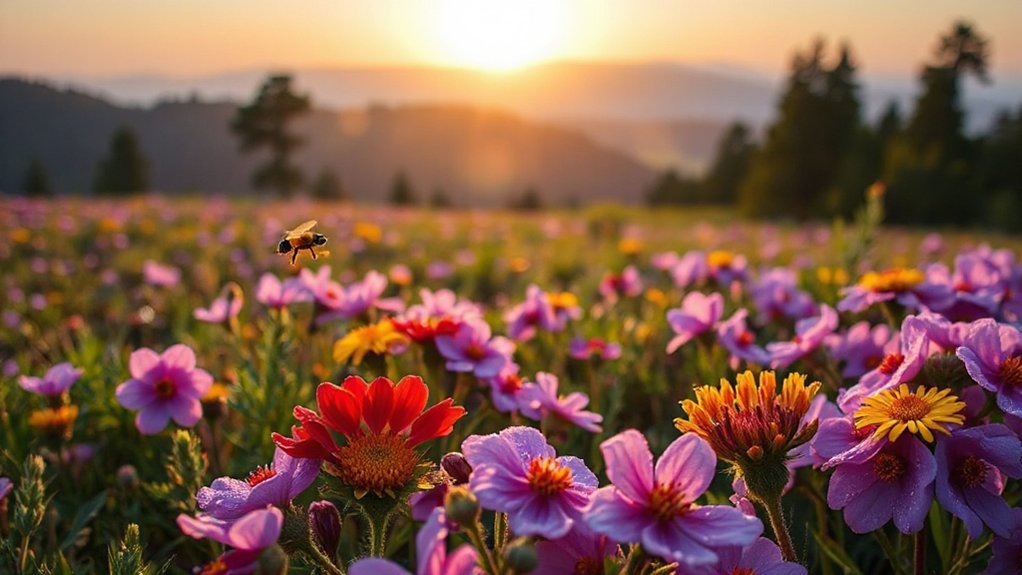
A walk through Providence Canyon feels like stepping into a painted poem—bright Indian blanket, coreopsis, and wild bergamot carpet the sandy rims and prairie pockets, and you’ll notice how these tough, sun-loving plants turn erosion’s scars into a living landscape. You’ll sense erosion adaptation in each root and watch pollinator dynamics unfold as bees and butterflies claim the light. The canyon invites you to roam, breathe, and reclaim a simpler rhythm. Let these moments free you.
- Sunlit petals urging you onward
- Wind-whispered space for big thoughts
- Bees and butterflies as joyful companions
- Quiet cliffs that teach resilience
- A wide horizon promising choice
Take your time, wander the rims, and carry this fierce, gentle freedom into your everyday life always.
Prairie Wildflower Hotspots
Step off the canyon rim and you’ll find the prairie’s wide, sunlit rhythm waiting—Providence Canyon’s sandy pockets blend into the broader sweep of Southwest Georgia prairies, where blazing stars, little bluestem, and purple coneflower stand like steady companions. You can wander open grasses, feel wind that seems to loosen your shoulders, and watch bees and butterflies stitch Pollinator Corridors between blooms. As you move, note how thoughtful Soil Restoration projects revive native roots and place for wildness to return. You’ll learn to read seasonal cues, choose quiet trails, and respect nesting spots. This landscape invites self-reliance and calm: bring water, tread lightly, and let prairie light remind you why freedom tastes like open space and generous sky. Stay curious, stay gentle, roam on, always.
Coastal Islands: Jekyll, St. Simons, and Cumberland
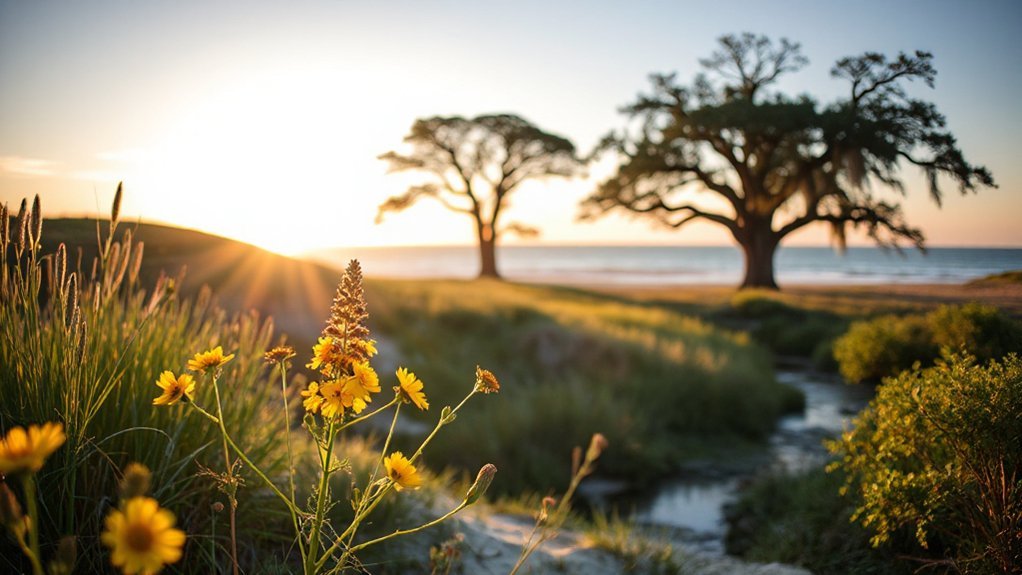
Though the salt air and shifting sands shape each island differently, you’ll find a shared magic on Jekyll, St. Simons, and Cumberland. You’ll wander maritime forests where live oaks draped in Spanish moss frame hidden clearings, and you’ll learn lighthouse history as a backdrop to coastal blooms. The islands invite you to slow down, breathe, and roam free.
Salt air, live oaks, and lighthouses invite you to slow down, breathe, and wander.
- You feel small beneath ancient oaks and wide open sky.
- You follow quiet trails that reward patience with hidden color.
- You stand beside a weathered lighthouse imagining ships and seasons.
- You listen to waves and let your thoughts loosen like sand.
- You collect moments, not things, and leave only footprints.
These islands lean into simplicity. They welcome exploration without pressure. If you crave freedom and wonder, you’ll find both here among dunes, tidal creeks, and fragrant understory—no schedule, just discovery. Go seek them and let the coast reshape your pace.
Where to Find Iconic Species: Trilliums, Azaleas, Phlox, and More
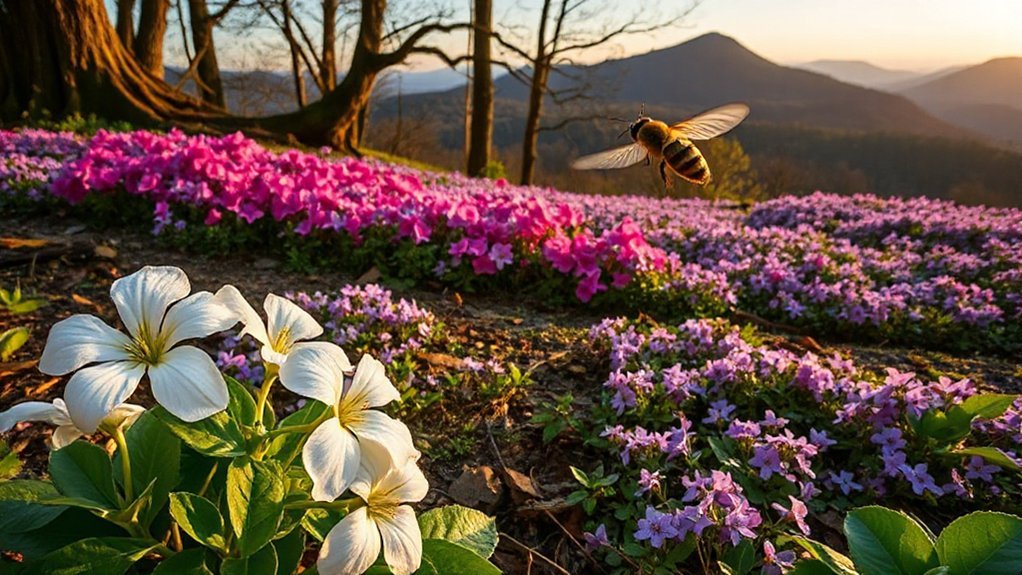
After wandering the coastal islands, you’ll find the state’s wildflowers waiting in very different settings: trilliums carpet shady North Georgia hardwoods and mountain coves, azaleas blaze along ridgelines and gardened trails in the Piedmont and foothills, and phlox brightens open meadows and roadside clearings everywhere in spring. You can follow your curiosity to see iconic species: seek trilliums under beech and oak, chase azalea flashes on scenic ridges, and let phlox guide you through fields and Roadside verges. Urban greenways offer surprising pockets of color and calm when you need freedom near the city. The map in your mind becomes a promise — plan hikes, strolls, or easy drives and trust your instincts. Below is a quick guide to where to go and what to expect.
| Species | Typical Spot | Peak |
|---|---|---|
| Trillium | Mountain coves, hardwoods | April |
| Azalea | Ridgelines, garden trails | Late April–May |
Bring curiosity and leave with a lighter heart.
Responsible Wildflower Viewing and Photography Etiquette
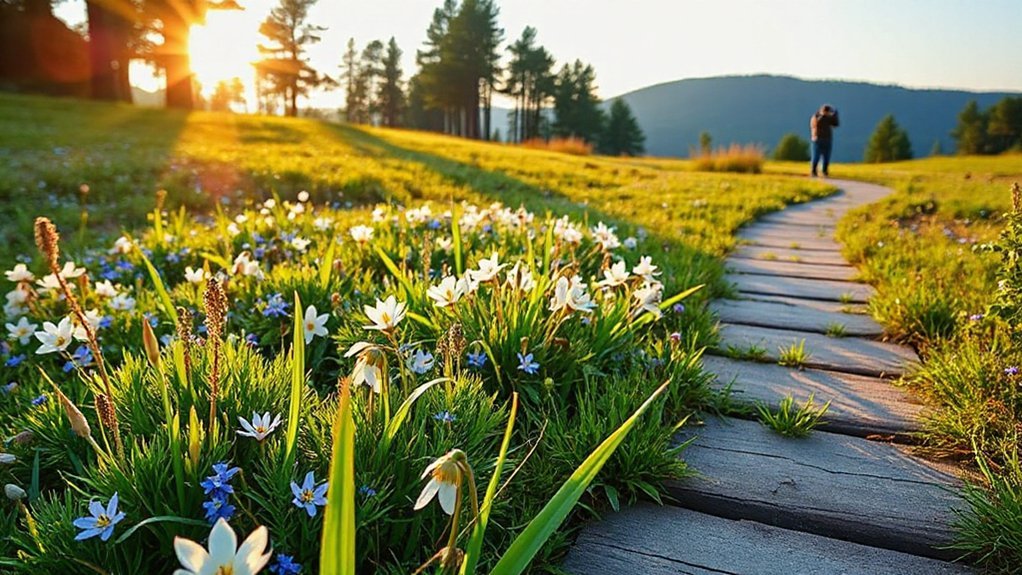
When you step into a field or forest, remember that you’re a guest in a living community—so move gently, stay on trails, and resist the urge to pick or dig. You can savor blooms without owning them: observe, photograph, and leave them for others and wildlife. Prioritize Plant Protection by avoiding trampling, staying on durable surfaces, and not relocating plants. For photographers, practice Flash Minimization—use natural light, reflectors, or slow shutter speeds to avoid startling pollinators. Keep your presence light and freeing.
- Wonder at color without taking it
- Breathe deep, tread softly, feel connected
- Frame a bloom, then step back so it stays whole
- Share sightings responsibly, never reveal fragile locations
- Honor pollinators; they deserve space
When you follow these simple rules, you help wildflowers thrive and keep open landscapes for everyone who seeks solace and freedom among petals. Carry respect with you, and the land will reward.
Frequently Asked Questions
Are Permits Required for Commercial Photography or Filming in Wildflower Areas?
Yes — you usually need a permit for commercial photography or filming in wildflower areas, though Permit exemptions can apply in limited cases. You’ll want to check local rules, secure proper permits, and meet Insurance requirements; that protects you and the land. I get that freedom matters, and you’ll feel empowered once paperwork’s sorted. Stay respectful, creative, and confident — you’ll capture beauty without compromising access or stewardship, and enjoy responsibly always.
Can Visitors Legally Pick or Collect Wildflower Seeds or Plants?
Can you legally pick or collect wildflower seeds or plants? Usually no; state laws and local regulations often prohibit removing plants to protect biodiversity and prevent habitat impact. You’ll still enjoy freedom by photographing, journaling, or collecting seeds from own private property or permitted restoration projects. Wanting to take home a piece of the meadow is natural, but you can help keep blooms thriving by leaving them for others, wildlife.
Are Drones Allowed for Aerial Wildflower Photography?
Yes, you can fly drones for aerial wildflower photography, but you’ve got to follow FAA regulations and respect local rules. You’ll want to avoid Wildlife disturbance, keep altitude limits, and steer clear of protected areas. I get wanting freedom to capture beauty; you can still do it responsibly. Pack knowledge, patience, and common sense so your footage uplifts without harming habitat or breaking laws. Enjoy the views, fly with care.
Which Spots Offer Wheelchair-Accessible Wildflower Viewing Trails?
About 15% of Georgia’s state parks offer paved routes, and you’ll find wheelchair-accessible wildflower trails at Sweetwater Creek, Smithgall Woods, and Panola Mountain. You’ll enjoy Trail Accessibility features like firm surfaces and gentle grades, plus Accessible Amenities such as accessible restrooms, parking, and viewing platforms. We get how much freedom in nature matters, and we’ll help you plan accessible outings that spark joy and independence every season across Georgia, too.
Are Any Georgia Wildflowers Poisonous to Pets or Children?
Yes, some Georgia wildflowers are poisonous to pets and children. You can enjoy hikes safely if you learn toxic species and apply simple identification tips. Trust your curiosity, but keep kids and pets close, teach them not to touch or taste unknown blooms, and carry a field guide or app. If exposure happens, act fast and contact a vet or poison control. You’re free to explore with confidence and joy.
Conclusion
You’ll find wildflower season in Georgia renews your wonder, calms your mind, and sparks your curiosity. You’ll hike ridge trails, wander riversides, and stroll coastal dunes. You’ll learn names, respect habitats, and share photos with care. You’ll arrive early, tread lightly, and leave no trace. You’ll slow down, breathe deeper, and notice small miracles. Go gently, stay curious, and let the blooms change how you see the world, and carry that joy home with you.