You’ll find gentle North Georgia trails that fit little legs and curious minds, from short waterfall strolls with safe bridges to flat lake and creek loops perfect for skipping stones. Choose stroller-friendly paved paths or low-climb overlooks with benches and railings for stress-free views. Pack snacks, layers, a small first-aid and binoculars for birdwatching, and plan short loops with play areas or picnic shelters. Keep going to uncover trail picks, scavenger ideas, and safety tips.
Key Takeaways
- Short waterfall and creek walks with gentle bridges and viewing platforms are perfect for curious kids and easy footing.
- Stroller-friendly paved loops and minimal-climb overlooks offer easy scenic rewards for toddlers and caregivers.
- Trailheads with shaded picnic shelters, grills, and restrooms make snack breaks, diaper changes, and regrouping simple.
- Play areas and natural playgrounds near trail starts help kids burn energy before or after short hikes.
- Pack water, layers, first aid, binoculars, and a simple scavenger hunt, and model quiet wildlife etiquette.
Best Short Waterfall Trails
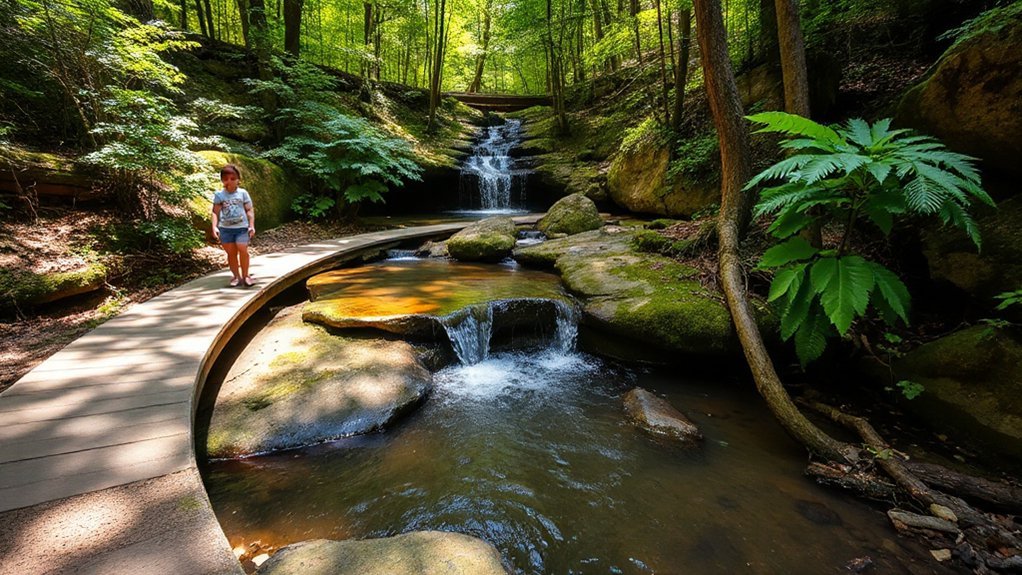
A cool cascade can turn a fussy afternoon into an adventure, and North Georgia has several short waterfall hikes that are perfect for kids and grown-ups alike. You’ll find trails that don’t demand miles but deliver big rewards: safe footbridges, gentle inclines, and viewing platforms that let everyone soak in the moment. Plan around seasonal accessibility — spring snowmelt and autumn rains change flow and footing — and pick paths that match your crew’s stamina. Point out interesting geological features like layered granite ledges and mossy steps; kids love touching the stones and imagining ancient rivers. Bring water, sturdy shoes, and a sense of wonder, and you’ll create memories that feel like freedom. If someone needs a break, choose a trail with nearby pullouts or short loops so you can pause without missing the view. These compact falls give you nature’s drama without pushing limits and smiles.
Easy Lake and Creek Walks
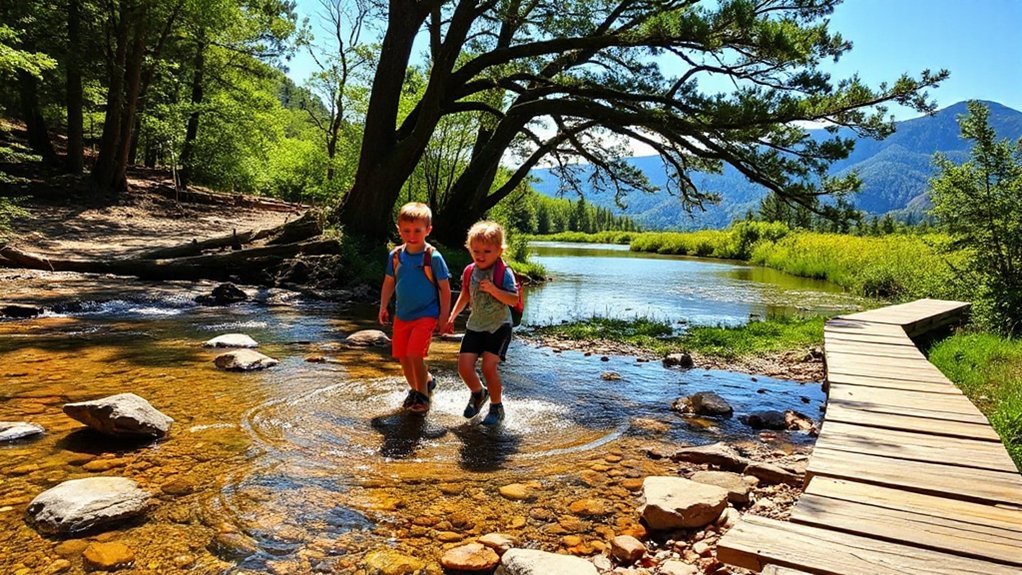
Shoreline strolls give you gentle, kid-friendly access to North Georgia’s calm lakes and babbling creeks, so you can let little ones wander, splash, and spy turtles without committing to a long trek. You’ll find short loops and flat banks where kids can explore safely, collect smooth pebbles, and try stone skipping off a low jetty. Bring a small net for creek critters, a picnic, and water shoes so everyone feels free to get close to the water. Teach basic safety—stay within sight, wear life vests near deeper spots—and encourage curiosity: identify bird calls, watch dragonflies, or set up a simple shoreline fishing moment to teach patience and respect for nature. These easy walks recharge you and your family, offering low-stress outdoor time that builds confidence. You’ll leave with sandy shoes, bright smiles, and a renewed sense that adventure can be relaxed, accessible, and entirely yours every single day.
Stroller-Friendly Paths
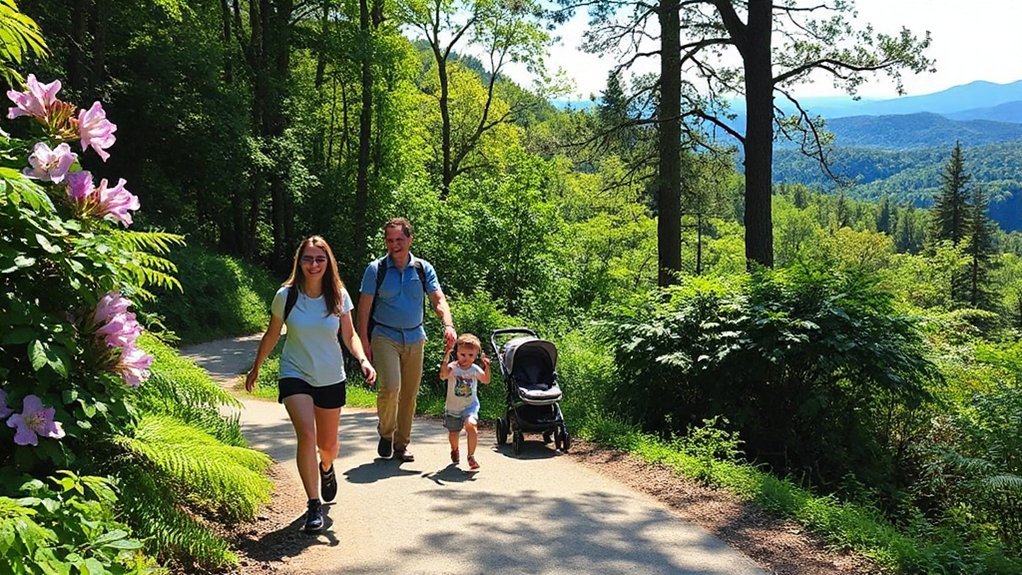
If you enjoyed gentle lake and creek strolls, you’ll appreciate stroller-friendly trails that let kids nap, snack, or watch the world go by while you get fresh air and steady footing. Choose routes with paved surfaces and gentle grades so your push is smooth and predictable; they reduce bumps, keep wheels clean, and let you relax into conversation or quiet. Look for looped paths near picnic areas, restrooms, and shaded benches—little conveniences that expand your freedom to linger without stress. Pack light: sunhat, wipes, a favorite toy, and water; you’re prepared for spontaneous pauses. Move at your kid’s rhythm, stop for dragonflies or a quick snack, and let exploration feel easy rather than forced. These trails invite connection: you’ll breathe, laugh, and rediscover simple joys while your child experiences nature safely. When planning, check trail maps and parking to guarantee a smooth, liberating outing and soak it in.
Scenic Overlooks With Minimal Climb
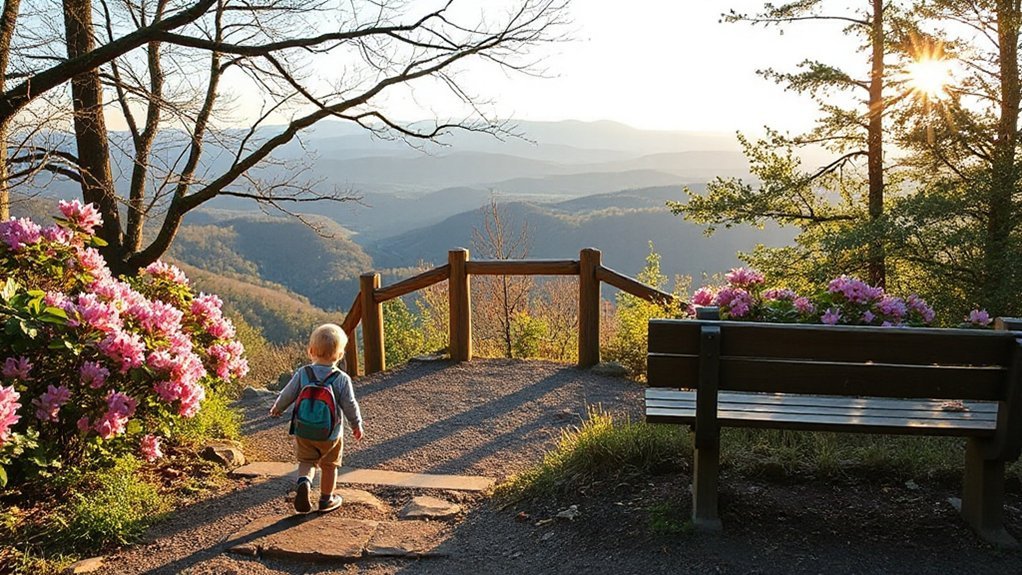
How about catching sweeping mountain views without a steep climb? You can lead your family to Accessible Viewpoints that reward curiosity and ease. Trails here prioritize short approaches, sturdy railings, and parking close by, so everyone feels welcome and free to explore. Point out Geological Highlights—layered rock, ancient outcrops, and subtle formations—so kids learn while they wonder. Encourage short, mindful stops: breathe, scan the horizon, name shapes in ridgelines. Keep gear light, pack snacks, and celebrate small victories; a toddler’s triumph at a lookout can lift the whole group’s spirit. Use these simple principles to pick overlooks that match energy and time.
- Choose short, maintained paths near parking.
- Look for interpretive signs on Geological Highlights.
- Pick sites with benches, railings, and clear sightlines.
You’ll find panoramic moments that feel liberating, peaceful, and perfectly suited to family adventure. Bring a sense of wonder and choice today.
Wildflower and Spring Bloom Hunts
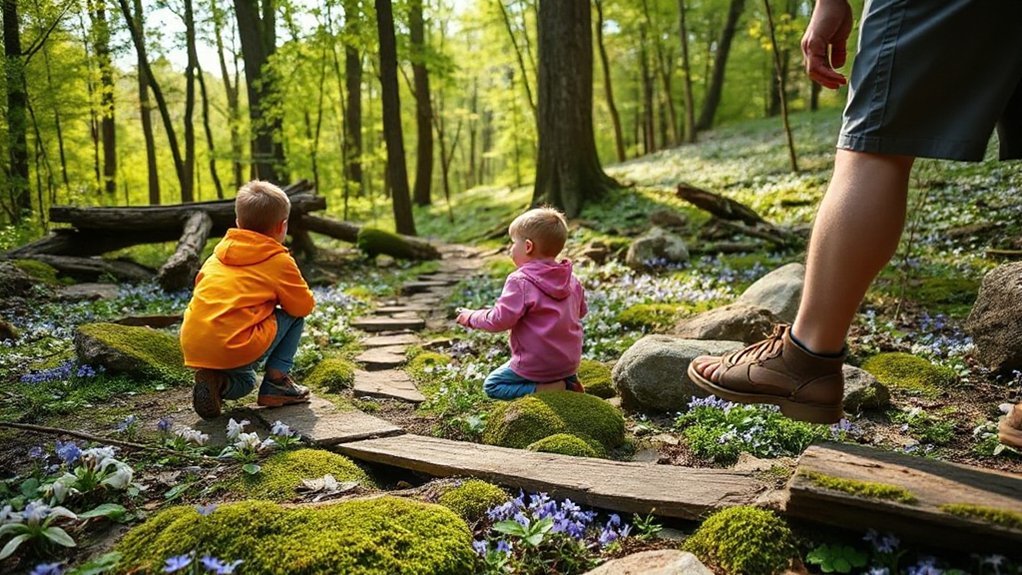
After soaking in sweeping views, slow the pace and turn your hike into a springtime scavenger hunt for wildflowers. You’ll teach kids to notice petals, leaf shapes, and subtle color shifts while you all move at their rhythm. Bring a simple guidebook or phone app for Color Mapping so you can identify blooms and mark where you found them; let children add stickers to a trail map to claim discoveries. Encourage curiosity—ask what scents or patterns they see—and collect photos, not flowers, to protect fragile habitats. Use these Photo Tips: shoot in soft morning light, get low for kid-level perspectives, and include a finger or leaf for scale. Celebrate small finds with short rest stops and sketching breaks; those moments turn a walk into freedom-filled exploration. By the end, you’ll have memories, learning, and a gentle respect for the spring carpet beneath your feet—and joyful discovery, too.
Animal and Birdwatching Spots
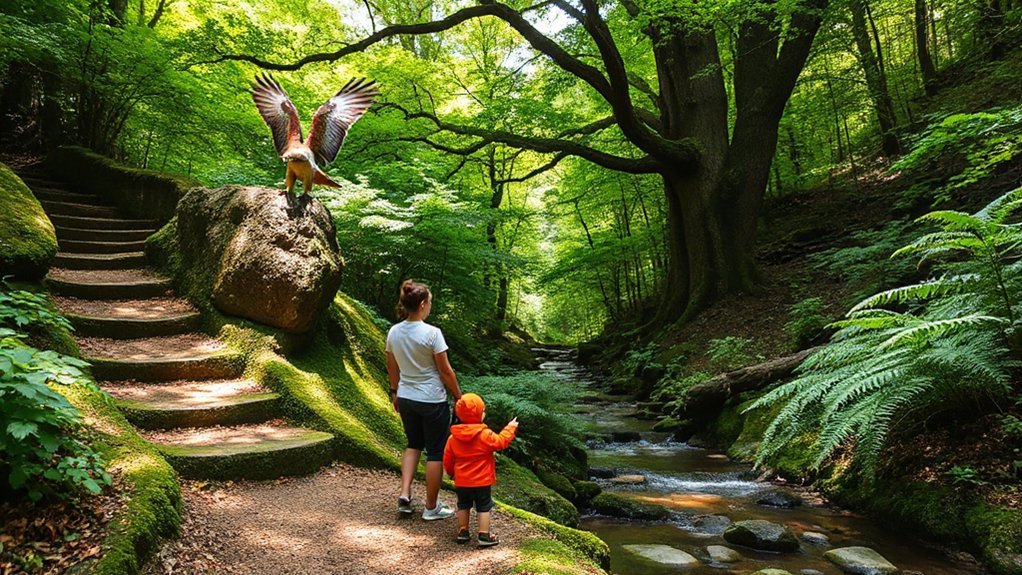
Bring binoculars and curiosity—you’re about to turn a hike into a live nature classroom where every rustle can spark wonder. You’ll spot songbirds flitting through rhododendron and watch deer nibble at a safe distance; you’ll learn patience and the joy of noticing. Spring and fall hikes often highlight Raptor migration, a sweeping, free display you can share with kids. Look for high ridgelines and open meadows where thermals lift hawks and eagles.
Plan short, quiet stops and model soft voices. Respect wildlife—observe without approaching nests or den sites. Check for Bat roosts at dusk near bridges or hollow trees; bring a flashlight and teach kids about nighttime pollinators and insect control.
Use these simple habits to help your family slow down and savor the wild:
- Pause often and scan.
- Keep snacks packed and quiet.
- Celebrate every small sighting.
You’ll leave inspired and excited to explore.
Educational Nature Loops for Kids
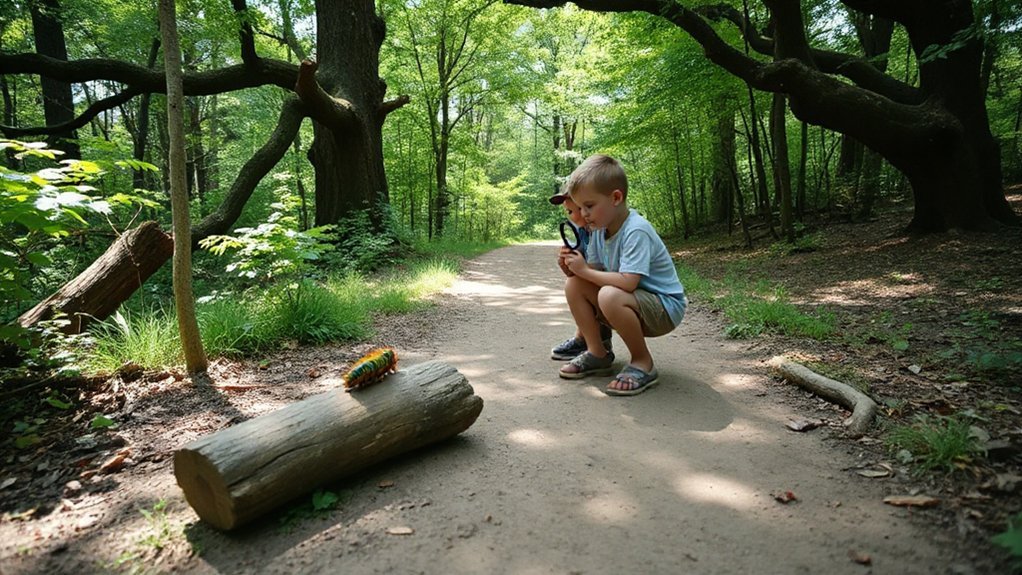
You’ll turn a short loop into a living classroom by pointing out common trees and plants and teaching simple ID tricks. Set up scavenger-hunt routes with picture cards or checklists so kids stay curious and engaged. You’ll leave with sharper eyes and bigger smiles, plus a few plant names everyone can remember.
Tree and Plant ID

How can a simple loop trail become a hands-on classroom for your kids? You’ll turn paths into discovery zones by teaching Bark Patterns and Leaf Morphology, showing how textures and shapes tell stories of seasons and survival. Encourage curiosity—let them touch, sketch, and describe trees in their own words. Keep activities short, free-form, and child-led so they feel ownership and joy. Use a few clear prompts:
- Feel the bark and note textures.
- Compare leaf shapes and edges.
- Sketch a tree’s silhouette.
You’ll model gentle observation, ask open questions, and celebrate small finds. This approach builds confidence, respect for wild places, and a lifelong appetite for outdoor freedom and learning. Invite them often; freedom outdoors shapes curious, resilient, brave little explorers always.
Scavenger Hunt Routes
Designing short, themed scavenger-hunt loops turns a hike into an easy, hands-on lesson that keeps kids focused and excited. Choose a clear loop that fits their energy and time, and give them ownership: you pick the map, they lead. Mix simple prompts—find a feather, spot a lichen, or locate a carved stone—to spark curiosity. Offer variations like Night Hunts with flashlights or daylight treasure maps for confident explorers. Weave in local stories and point out Historic Artifacts where allowed, teaching respect for history and habitat. Keep lists printable, rules gentle, and rewards meaningful. You’ll watch kids move from restless to engaged, learning navigation, observation, and stewardship while feeling free to discover at their own pace. Bring water, snacks, and a sense of wonder today.
Picnic-Ready Trailheads and Play Areas
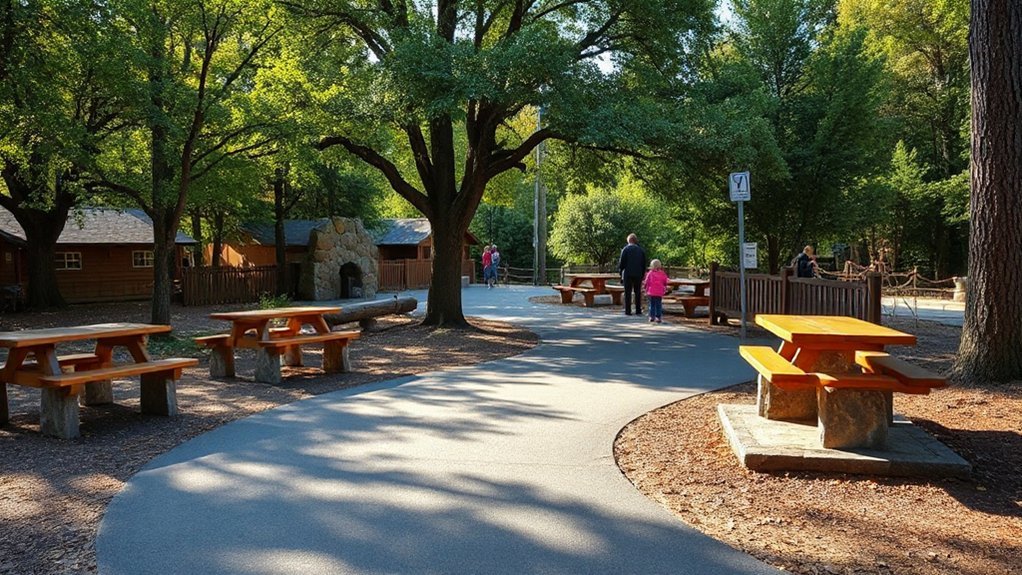
You’ll appreciate trailheads with shaded picnic shelters and sturdy tables where kids can refuel. Look for play areas right off the path and handy grills for easy lunches that keep everyone smiling. With restrooms nearby, you can relax and let the little ones run free without worrying about logistics.
Shaded Picnic Shelters
Picnic shelters do more than block sun—they give kids a calm place to eat, play, and reset between short hikes. You’ll find covered tables, grills, and shady spots that showcase Shade Benefits: lower heat, bug relief, and a focused spot to regroup. Respectful Shelter Etiquette keeps these spaces pleasant—pack out trash, limit loud games, and leave picnic areas ready for the next family.
- Pack light and tidy.
- Keep voices down near others.
- Rotate kid activities to share space.
Bring a lightweight blanket, simple games, and a small first-aid kit so you can stay flexible and free on the trail. Take short, intentional breaks; they teach kids independence, respect for nature, and joyful rest before moving on again.
Play Areas by Trail
At many trailheads you’ll find play areas that make starting and ending hikes easier for families—low climbers, balance logs, and open lawns where kids can burn off energy before you set out or after you return. These picnic-ready spots invite you to pause, let little ones explore, and breathe. You’ll discover natural playgrounds that blend into the woods, where imagination runs free and you can relax without losing sight of your explorers. Look for trailside murals that spark curiosity and offer simple waypoints for games or photo ops. Plan your day around these pockets of joy: they turn logistics into play, soothe restless legs, and help you leave the trail humming with happy memories and a taste for more outdoor freedom and adventure ahead.
Grills, Tables, Restrooms
Often the best part of a family hike is the end—when you can spread out a blanket, fire up a grill, and let everyone refuel at sturdy tables while kids chase one last butterfly. You’ll look for picnic-ready trailheads with grills, covered tables, and clean restrooms so your crew can relax and roam. Trails that prioritize sanitation protocols and Accessibility upgrades make outings worry-free and welcoming. Bring simple gear, pick a sunny spot, and teach kids to leave no trace. Consider these checklist items:
- Clean grill and trash bins
- Shaded table and seating space
- Accessible restroom and paved access
Those small comforts let you breathe, explore farther, and savor fresh air together—freedom wrapped in safety and simple joy every single day.
Safety Tips and Packing Essentials
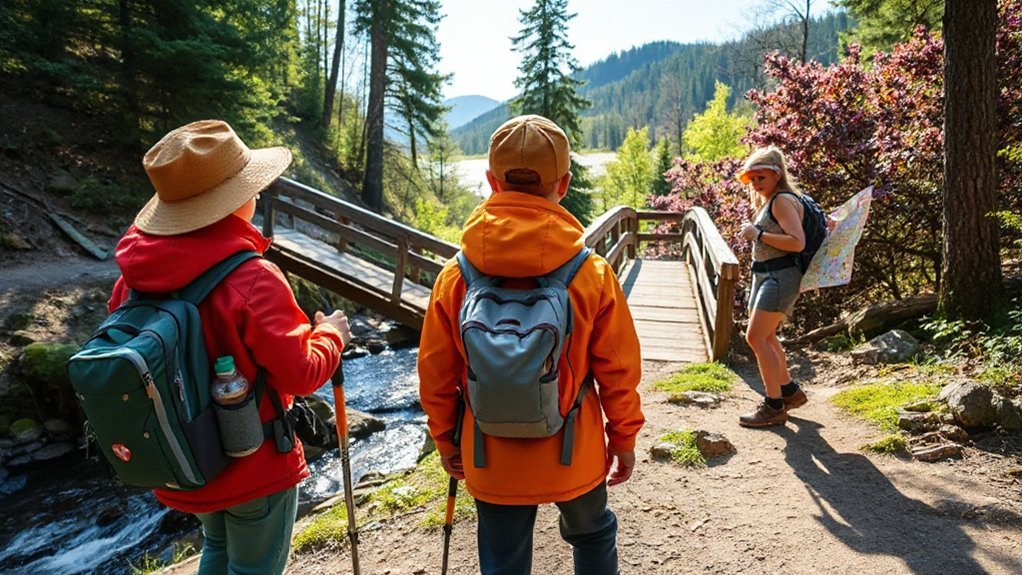
Because a little planning keeps everyone safe and happy, you’ll want to pack a few nonnegotiables before you hit North Georgia’s trails. Bring a compact First Aid kit, layered clothing, sun protection, water, snacks, and a charged phone with a power bank. Check Weather Awareness before you go and adjust clothing and route. Tell someone your plan and set a turnaround time so freedom feels responsible, not risky.
| Item | Why it matters |
|---|---|
| First Aid kit | Treat cuts, stings, blisters |
| Water & Snacks | Energy and hydration |
| Layers & Rain Jacket | Handle changing weather |
| Map/Phone + Power | Navigation and emergency |
Keep kids close on rocky stretches, teach them simple trail rules, and celebrate progress. You’ll breathe easier knowing you prepared for surprises while staying free to explore. Pack lightweight binoculars or a journal so kids can wander curious minds while you guide them toward confident, joyful independence and remember smiles.
Frequently Asked Questions
Are Dogs Allowed on These Trails, and Are Leashes Required?
Yes, you can bring dogs, but most trails require leashes— they’re for safety and wildlife protection. You’ll find some Off Leash Areas where your dog can run, so plan stops there. You’ll also need to handle Waste Disposal responsibly; pack bags and carry out trash. You’ll feel free exploring together while respecting rules, other hikers, and nature. Stick to posted signs and you’ll have a safe adventure with your pup.
Is Parking Available Year-Round, and Are There Fees?
Yes, parking’s generally available year-round, though some lots close for seasonal closures; you’ll want to check ahead. Small fees often apply at popular trailheads, and you’ll find a mix of payment methods like cash, kiosks, or mobile apps. Don’t let fees or closures stop you; plan flexibly, arrive early, and you’ll still enjoy open space and freedom with your family, rain or shine. You deserve these moments, so go explore.
Are Restrooms or Changing Facilities Available Near Trailheads?
A sparkling restroom beside a wild rhododendron: you’ll often find restrooms or portable changing facilities near trailheads, but availability varies by park and season. You’ll appreciate restroom cleanliness where maintained, and clear facility signage will guide you. Pack wipes and a change of clothes just in case, and you’ll feel free to explore confidently. Rangers and local parks usually post updates online, so you can plan ahead and relax today.
Are Any Trails Wheelchair Accessible or Ada-Compliant?
Yes — some trails are fully wheelchair accessible and ADA-compliant, and you’ll find accessible surface materials like compacted gravel or paved paths. Park staff follow gradient standards so slopes stay manageable, and you’ll appreciate benches and viewing spots along the way. Don’t hesitate to call ahead for details; you deserve trails that free your spirit and welcome everyone, and modifying plans to match abilities helps you explore confidently and joyfully.
Do Any Trails Require Permits or Have Group Size Limits?
Some trails do require permits or limit group sizes, but you’ll often find Permit exemptions for small family outings; check ranger stations for specifics. Seasonal restrictions may apply during nesting or fire seasons, and larger groups usually need advance registration to protect wildlife and trail quality. You can still plan freeing, spontaneous adventures—call ahead, respect rules, and the land will welcome your curious, responsible spirit and savor true freedom daily.
Conclusion
You’ll probably think kids and nature don’t mix—until they splash, giggle, and teach you patience on a North Georgia trail. You’ll find short waterfalls, stroller-friendly paths, and picnic spots that turn meltdowns into memories. You’ll breathe easier knowing the hikes fit small legs and curious minds. So lace up, pack snacks, and relax: nature’s gentle surprises are ready to school you in joy, one muddy shoe at a time —and you’ll leave smiling, every time.